

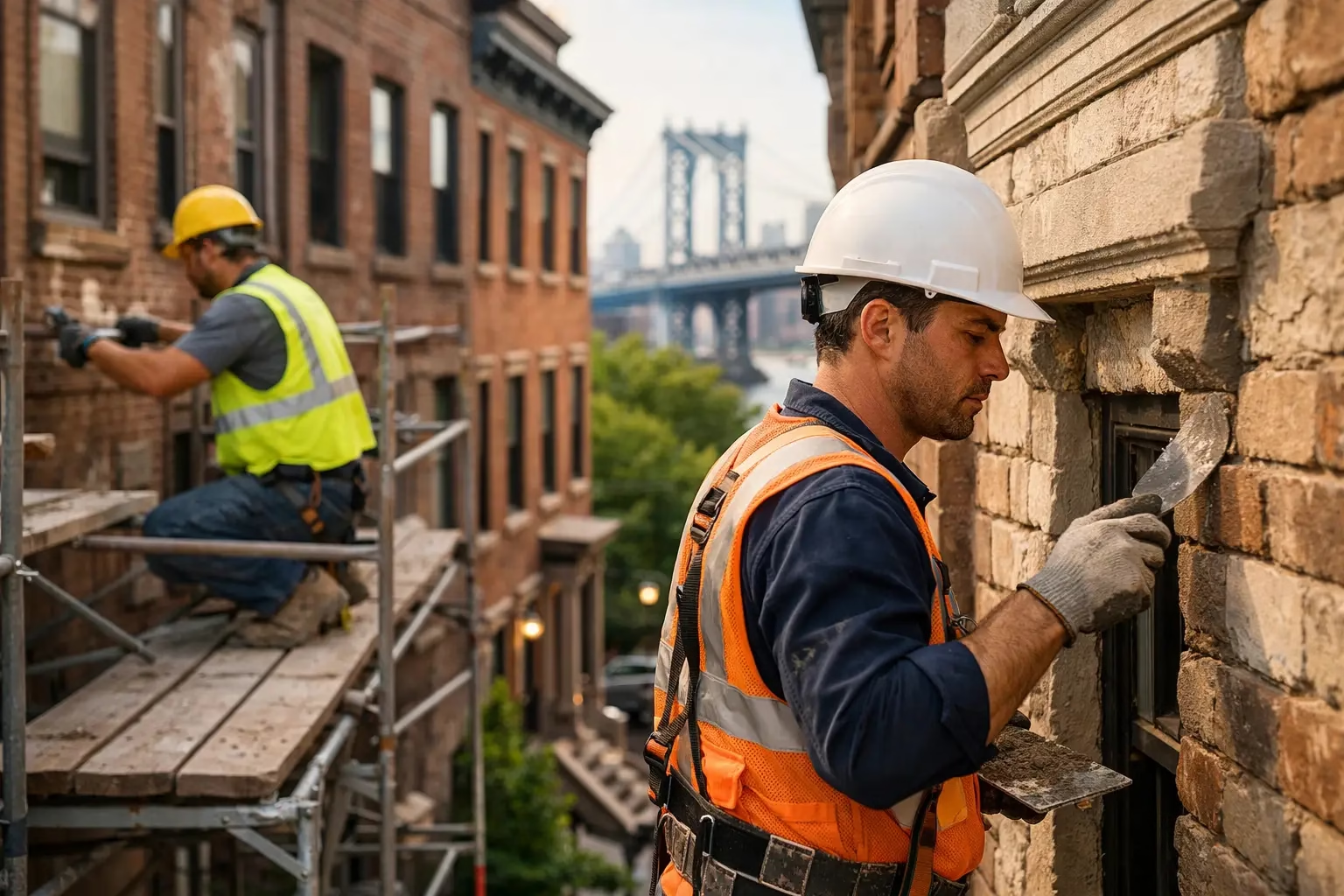
A cracked brownstone face, loose brick joints, or stained stucco is not just a cosmetic issue in New York City. It is usually the first visible sign that water is getting where it should not, masonry is breaking down, and bigger repair costs are starting to build. That is why property owners looking for facade restoration contractors need more than a basic masonry crew. They need a licensed, insured contractor that understands how exterior damage spreads, how NYC buildings age, and how to fix the problem without wasting time or money.
In neighborhoods with older building stock like Park Slope, Brooklyn Heights, Bed-Stuy, and Cobble Hill, facade problems are common because the materials have been exposed to decades of weather, settlement, patchwork repairs, and neglected maintenance. Some buildings need targeted pointing and crack repair. Others need a more complete restoration that includes stucco, brownstone repair, lintels, waterproofing, cornice work, and repainting. The right approach depends on the age of the structure, the condition of the exterior, and how long the problem has been left alone.
What facade restoration contractors actually do
Good facade restoration contractors do not just show up and cover damaged areas with fresh material. Real restoration starts with identifying why the facade is failing. In NYC, that often means tracking water intrusion, freeze-thaw damage, failed mortar joints, rusting steel, bulging brickwork, surface delamination, and old patch repairs that no longer hold.
A proper contractor will inspect the visible condition of the facade and connect it to what is happening underneath. If mortar joints are open, brick pointing may be enough in some areas. If masonry units are spalling or shifting, sections may need to be rebuilt. If brownstone is crumbling, the work may involve patching, resurfacing, or detailed restoration to preserve the original look while restoring strength.
This is also where experience matters. On a townhouse, apartment building, mixed-use property, or small commercial structure, the facade often ties into roofing edges, parapets, window surrounds, sills, and cornices. A narrow repair scope may seem cheaper at first, but it can leave connected problems untouched. Then the leaks and deterioration come right back.
How to tell when your building needs facade restoration
Some warning signs are obvious. Pieces of stucco falling off, cracked masonry, and missing mortar should never be ignored. Other signs are easier to miss, especially if the damage is high up or spread across the front elevation in small areas.
Watch for stair-step cracks in brick, white mineral staining, blistering paint, soft mortar, rust marks above windows, and damp spots on interior walls near the front of the building. On brownstones, surface erosion and scaling are common signals that water is entering the facade system. If you own or manage an older building, these signs are your early notice that repair costs can still be controlled if the work is handled now.
Waiting usually makes the scope larger. A small pointing job can turn into masonry replacement. A failed coating can lead to deeper structural repair. What looks like a simple front-face issue may also involve roof drainage, coping stones, flashing, or waterproofing failures.
Choosing facade restoration contractors without guessing
The cheapest estimate is not always the lowest-cost decision. In facade work, price matters, but so does scope, method, and the contractor’s understanding of urban buildings. A low bid often leaves out preparation, access, matching materials, or related repairs that are necessary for the work to last.
When reviewing facade restoration contractors, start with the basics. They should be licensed and insured. They should understand OSHA requirements and jobsite safety. They should be comfortable explaining the repair in plain terms, not hiding behind vague construction language. Most of all, they should be able to tell you what is damaged, why it happened, and what they are including to prevent the same issue from returning.
Ask how they handle material matching on brick, stucco, or brownstone surfaces. Ask whether the work includes grinding and repointing deteriorated joints, replacing failed masonry, sealing vulnerable areas, and addressing nearby conditions that may be feeding the damage. If the contractor only talks about the visible finish, that is a red flag.
It also helps to work with a company that handles related exterior services under one roof. Facade restoration often overlaps with waterproofing, cornice repair, roofing edges, cement work, and power washing. Coordinating separate trades can slow the project down and create gaps in responsibility. One experienced contractor can usually manage the job more efficiently and with clearer accountability.
What the restoration process usually looks like
Every building is different, but most facade projects follow the same basic path. First comes a site visit and condition review. This is where the contractor looks at cracking, surface damage, joint failure, water entry points, and access conditions. In many NYC properties, especially attached homes and mixed-use buildings, access and protection planning are part of the real job.
Next comes the estimate and scope. A good estimate should spell out what will be repaired, what materials are being used, and whether related work is recommended. If there are optional repairs, those should be separated clearly so you can make a practical budget decision.
Then the surface is prepared. Loose material is removed, damaged joints are opened, unstable sections are cut out, and repairs begin at the source of failure. Depending on the building, this can include brick pointing, stucco patching, brownstone resurfacing, crack repair, replacement of damaged masonry units, lintel repair, waterproof coating application, and finish work.
The final stage is cleanup and review. This matters more than many owners expect. Sloppy finishing, poor color matching, and rushed surface blending can leave a repaired facade looking patched instead of restored. Good workmanship should improve both protection and appearance.
Why local NYC experience matters in facade work
Facade restoration in New York is not the same as basic exterior repair in the suburbs. Buildings are older, facades are tighter to neighboring structures, access is harder, and water exposure patterns are different. Brownstones, brick row houses, and mixed-material facades each age in their own way.
A contractor who has worked across Brooklyn and other dense NYC neighborhoods understands common failure points. They know how parapets crack, how old mortar behaves, how front stoops affect drainage, and how repeated quick fixes usually show up on older properties. That kind of experience helps avoid generic repairs that look fine for one season and fail the next.
For owners in historic or brownstone-heavy blocks, appearance also matters. The facade should not just be stabilized. It should still fit the building. Material choice, finish texture, and color matching all affect curb appeal and property value. That is especially true if you are renting, selling, or trying to maintain a professional storefront.
Balancing budget, timing, and long-term value
Most property owners are trying to solve two problems at once. They need the facade repaired, and they need the cost to stay reasonable. That is fair. The trick is making sure the budget goes toward durable repair rather than temporary patching.
Sometimes a focused repair is the smart move. If the damage is isolated and the rest of the facade is stable, there is no reason to oversell the project. But if multiple areas are failing, piecemeal work can become more expensive over time. You end up paying for repeated mobilization, recurring water damage, and interior repairs that never should have happened.
This is where a clear, honest contractor makes a difference. A dependable company will tell you when a smaller repair is enough and when broader restoration is the better financial decision. That straightforward approach is what many NYC owners want – no drama, no inflated scope, and no guesswork.
Best Budget Construction works with that mindset. For property owners who need facade repair, brownstone restoration, pointing, stucco work, waterproofing, and related exterior services, having one licensed and insured contractor handle the full scope saves time and reduces confusion.
What to do before the damage gets worse
If your building exterior is showing cracks, open joints, staining, or surface failure, now is the time to get it looked at. Facade damage rarely stays where it starts. Water keeps moving, materials keep weakening, and repairs keep getting more expensive.
The right contractor will not pressure you into unnecessary work. They will inspect the building, explain the condition clearly, and give you a realistic path forward based on safety, budget, and long-term results. That is what facade restoration should be – practical, protective, and done right the first time.
A solid exterior does more than improve appearance. It protects the structure, helps prevent future leaks, and gives you one less major building problem to worry about.
