

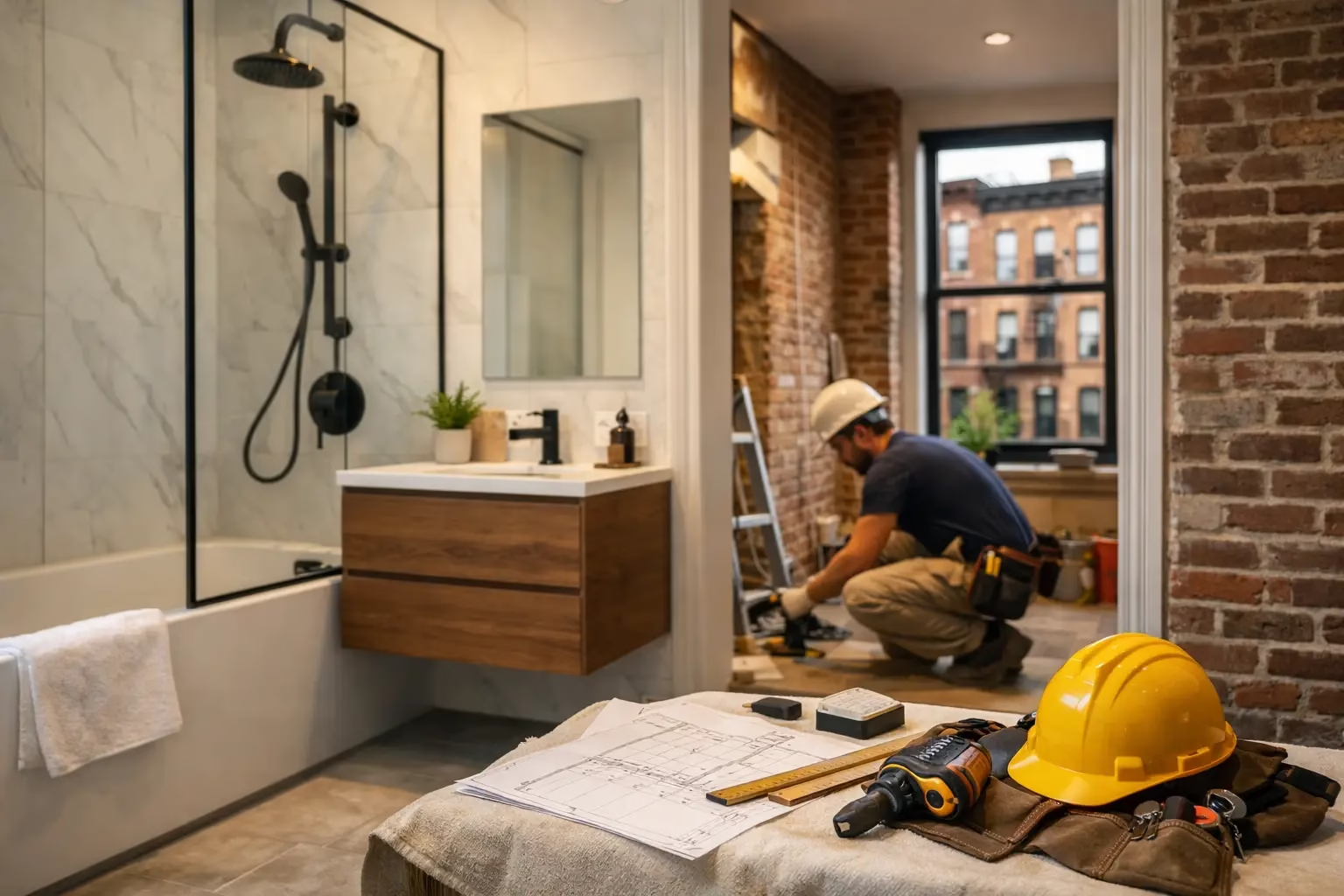
A bathroom can look like a small project until the walls open. When NYC owners ask how long bathroom remodel takes, the honest answer is usually three to eight weeks of on-site work, plus planning, approvals, and material ordering before demolition begins. A simple cosmetic update may move quickly. A full gut renovation in a Brooklyn brownstone, co-op, or older apartment can take longer for good reasons.
The schedule should be based on the actual scope, the building rules, and the condition of the room behind the tile. A dependable contractor does not promise an unrealistic finish date just to win the job. They set a clear sequence, order materials early, coordinate required trades, and communicate when a hidden condition changes the plan.
How Long a Bathroom Remodel Takes by Project Scope
A light bathroom refresh can often be completed in one to two weeks once all materials are on site. This may include painting, replacing a vanity, changing fixtures in their existing locations, installing a new toilet, updating lighting, and making minor tile repairs. It is the fastest path when the plumbing layout, wiring, subfloor, and wall conditions are sound.
A standard bathroom renovation usually takes three to five weeks of construction. This is the common project where the old bathroom is removed, new floor and wall tile are installed, the vanity and fixtures are replaced, and plumbing or electrical work is updated without major layout changes. Tile work, waterproofing, inspections, and cure times make this schedule longer than many property owners expect.
A full bathroom gut renovation commonly takes five to eight weeks on site. That includes demolition down to the studs, new plumbing lines, electrical upgrades, cement board or other approved wall systems, waterproofing, tile installation, painting, fixture installation, and final testing. If walls are moved or a shower is relocated, the timeline can extend further.
For occupied apartments and historic homes, the calendar can be longer even when the bathroom itself is compact. Limited work hours, elevator reservations, building protection requirements, and access restrictions all affect the pace. In a brownstone or prewar building, opening a wall may also reveal old piping, uneven framing, water damage, or previous repairs that need to be corrected before the finish work can begin.
The Timeline Starts Before Demolition
The visible work is only one part of the schedule. Smart planning before the crew arrives keeps the project moving once the bathroom is out of service.
Design selections and measurements often take one to two weeks, depending on how quickly decisions are made. Tile size, vanity dimensions, faucet configuration, shower glass, lighting, and storage all need to work together. A vanity that arrives too wide, a wall-mounted faucet with the wrong valve, or tile that is backordered can stop work at the wrong time.
Material lead times vary widely. Basic fixtures may be available immediately, while custom vanities, specialty tile, shower doors, stone tops, and certain plumbing fixtures can take several weeks. Ordering early is one of the simplest ways to protect the construction schedule and avoid paying a crew to wait on a missing item.
NYC permits and building approvals may also add time before work begins. The exact requirements depend on the scope, property type, and whether plumbing, electrical, ventilation, or structural conditions are being changed. Co-op and condo boards frequently require contractor insurance documents, work plans, deposits, and approval before construction. A property manager may also require elevator scheduling and certificates of insurance. These steps are normal, but they should be addressed upfront rather than after demolition is scheduled.
What Happens During a Full Bathroom Renovation
The first few days are typically spent protecting common areas, setting dust controls, shutting off services as needed, and completing demolition. In an apartment building, careful protection and debris removal are part of doing the job responsibly, not an optional extra.
Next comes rough plumbing and electrical work. This is when supply lines, drain connections, valves, outlets, switches, lighting boxes, and exhaust components are installed or adjusted behind the walls. If the bathroom layout stays the same, this phase is usually more predictable. Moving a toilet, shower, or sink can require more extensive work and may involve building-specific limitations.
Once the rough work is complete, walls and floors are prepared. This may include leveling a floor, repairing framing, installing approved backer materials, and building a properly sloped shower base. Waterproofing is not the place to rush. A shower must be protected behind the finished tile, not simply made to look finished on the surface. Where required, inspections and flood testing need to happen before tile covers the work.
Tile installation often takes longer than homeowners expect because quality tile work is a process. Layout must be established, cuts must be accurate, thinset needs time to set, and grout needs proper curing. Large-format tile, herringbone patterns, niches, decorative borders, and natural stone add labor and precision. They can produce a strong finished result, but they should be accounted for in the schedule and budget.
The final phase includes grouting, painting, vanity installation, countertop work, plumbing trim, mirrors, lights, accessories, shower glass, and a detailed cleanup. Shower glass is often measured after tile is complete, so it may be one of the last items installed. Final punch-list work gives the contractor and owner time to check operation, finish details, caulking, and alignment before the bathroom is turned over.
Common Reasons an NYC Bathroom Schedule Changes
Not every delay is avoidable, especially in older properties. The key is identifying issues quickly, explaining the options, and getting approval before additional work begins.
Hidden water damage is one of the most common findings. A leaking tub, failed shower pan, or old plumbing connection can damage subfloors, wall framing, and ceilings below. Repairing that condition adds time, but covering it with new tile would create a more expensive problem later.
Outdated plumbing is another factor. Old galvanized lines, corroded drains, or improperly installed previous work may not support a clean, reliable renovation. Bringing accessible work up to current standards can add labor, but it protects the investment in the new bathroom.
Building coordination can affect even a well-planned job. Some Manhattan and Brooklyn buildings limit noisy work hours, require inspections at specific stages, or restrict deliveries and debris removal. Landlords and property managers should also plan for tenant communication when a bathroom is being renovated in an occupied unit.
Late changes are the most preventable source of delay. Changing tile after installation starts, selecting a different vanity after plumbing is roughed in, or moving fixtures mid-project can affect labor, materials, and approvals. Finalize the main design decisions before construction, then keep a small contingency for repairs that cannot be seen until demolition.
How to Keep Your Bathroom Remodel on Schedule
Start with a complete scope of work and a written estimate that identifies what is included. The estimate should address demolition, plumbing, electrical, wall and floor preparation, waterproofing, tile, fixtures, paint, disposal, permits or filings when applicable, and final cleanup. Vague scopes create avoidable disputes and make timelines harder to manage.
Choose materials before demolition whenever possible. Confirm that tile quantities include waste, fixtures match the intended rough-in, and the vanity will fit the finished room. If you are supplying items yourself, have them delivered and inspected before the crew needs them. A damaged sink or missing shower valve can hold up several trades.
Work with a licensed and insured contractor who understands NYC construction conditions and coordinates the whole job. A contractor should provide realistic timing, protect the property, follow safety practices, and keep you informed when conditions change. For projects in Park Slope, Brooklyn Heights, Bed-Stuy, or other older neighborhoods, experience with aging plumbing and uneven building conditions matters.
Plan for one bathroom being unavailable during the main construction period. In a single-bathroom home, ask early about the sequence of work and whether any temporary arrangements are practical. For rental properties, schedule around turnovers when possible. A little planning can reduce stress for residents and prevent pressure to rush critical waterproofing or inspection steps.
A bathroom remodel is finished when the work behind the walls is as dependable as the tile you see every day. Build the schedule around proper preparation, qualified labor, and materials that are ready to install. That approach may not produce the shortest promise on paper, but it is far more likely to deliver a bathroom that is completed properly and built to last.
