

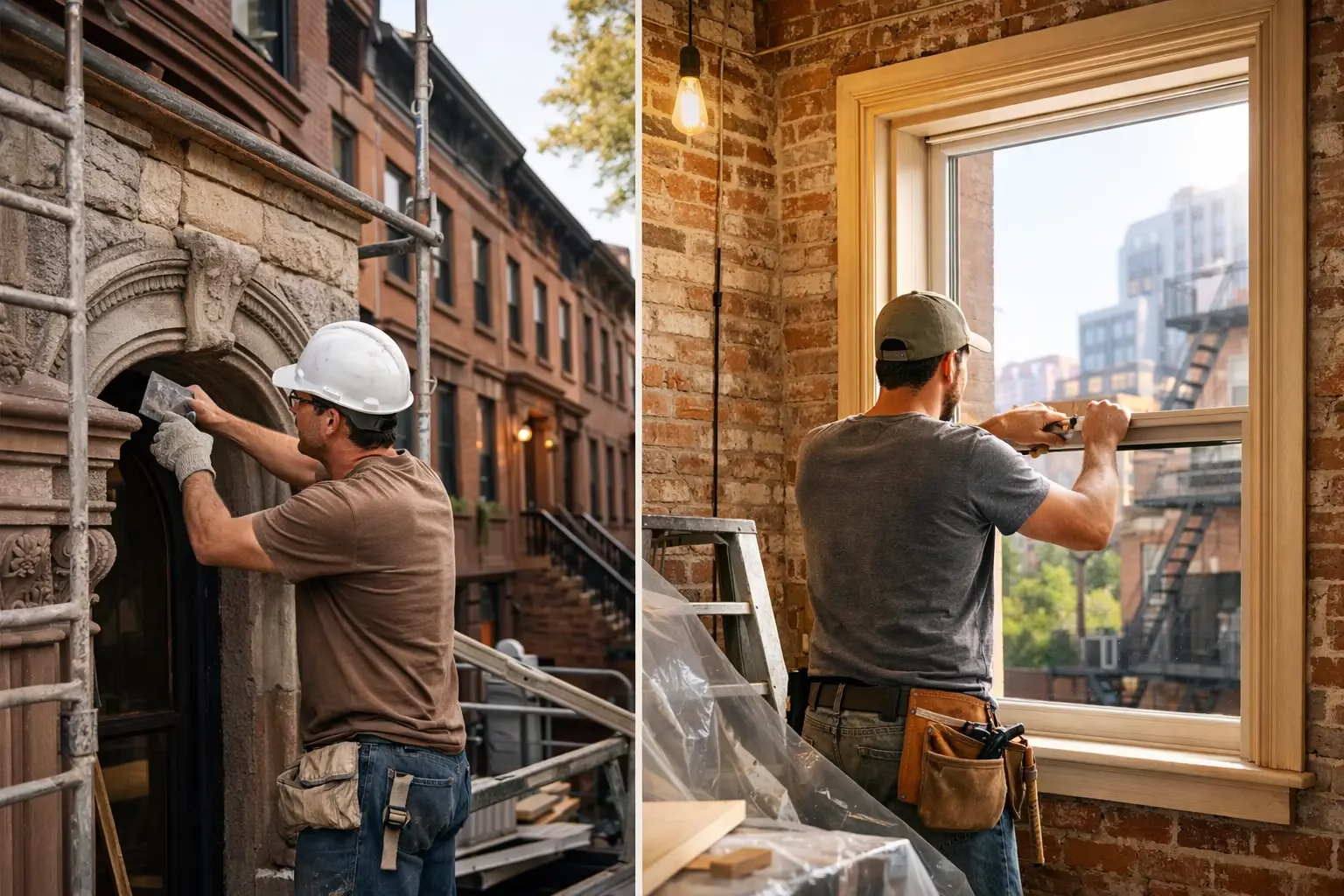
A brownstone can look like it needs one project when it actually needs two. A cracked stoop, flaking facade, leaking roofline, and dated kitchen may all show up at once, but they call for different work. Understanding brownstone restoration vs renovation helps NYC owners protect the building first, spend their budget wisely, and avoid cosmetic work that has to be undone later.
For many Brooklyn properties, the right answer is not restoration or renovation alone. It is a properly planned combination: stabilize and preserve the exterior and historic features, then improve the interior for modern living, rental value, or commercial use.
What Brownstone Restoration Means
Brownstone restoration focuses on returning existing architectural elements to sound condition while preserving their original character. It is most often exterior work, although it can include interior details such as original staircases, millwork, fireplaces, plaster molding, and historic doors.
On a typical Brooklyn brownstone, restoration may involve repairing deteriorated brownstone or limestone, rebuilding sections of a stoop, repointing brick joints, restoring a cornice, repairing window surrounds, or correcting water damage around the facade. The goal is not to make an old building look brand-new. The goal is to retain the features that give it value while making them safe, stable, and weather-resistant.
Restoration requires careful diagnosis. Brownstone is a soft, porous material, and years of moisture, freeze-thaw cycles, paint buildup, and poorly matched patching can cause serious deterioration. Covering those problems with paint or a quick skim coat may improve the appearance for a short time, but it does not correct the cause.
A qualified contractor should inspect the condition of the masonry, flashing, parapets, coping stones, roof connections, gutters, and drainage before recommending a repair. Water is usually the real problem behind surface damage. If water continues entering the wall or collecting at the roofline, a new facade repair will not last as it should.
What Renovation Means for a Brownstone
Renovation updates, reconfigures, or replaces parts of the property to improve function, comfort, appearance, or efficiency. Kitchens, bathrooms, basements, flooring, lighting, plumbing, electrical systems, painting, and layout changes are common renovation projects.
For example, a Park Slope homeowner may renovate a narrow kitchen to create more usable storage, improve ventilation, replace outdated plumbing, and add modern lighting. A landlord may renovate bathrooms between tenancies or finish a basement for practical storage and living space. These projects can make an aging building easier to use without requiring the original materials or design to be preserved exactly.
Renovation provides more design flexibility than restoration. You can select new cabinetry, tile, fixtures, flooring, and finishes based on how the space will be used today. However, brownstones often have hidden conditions behind walls and below floors. Old plumbing, uneven framing, electrical upgrades, moisture intrusion, and structural alterations from prior owners can affect the scope and cost once work begins.
That is why a renovation plan for an older NYC property should begin with a real site assessment, not just a wish list. A practical contractor looks at the visible finish work and the systems that support it.
Brownstone Restoration vs Renovation: The Main Difference
The central difference is purpose. Restoration preserves and repairs what already belongs to the building. Renovation changes or upgrades the building to meet current needs.
Restoration is usually the better choice when the original feature is structurally recoverable, historically significant, or central to the property’s curb appeal. A carved brownstone lintel, original cornice, decorative entry surround, or classic stoop often deserves repair rather than replacement with a simplified modern alternative.
Renovation is usually the better choice when an area no longer functions well or when old components have reached the end of their service life. A worn-out kitchen, failing bathroom, damaged basement finish, or unsafe electrical system needs an upgrade, even if the home itself has historic character.
The decision also depends on location. In a historic district, exterior changes may be subject to additional review and approval requirements. Owners should not assume they can replace visible facade details, doors, windows, railings, or cornices with any product they choose. Early planning helps prevent delays, redesigns, and avoidable costs.
When Restoration Should Come First
Exterior restoration should take priority when a property has active leaks, loose masonry, cracked or spalling brownstone, failing mortar, deteriorated parapets, roof damage, or unsafe stoop conditions. These issues can threaten the building envelope, create safety concerns, and allow more expensive damage to spread inside.
A newly renovated living room is not protected if water is still entering through a failing facade or roof. Likewise, painting over peeling plaster is not a lasting repair if moisture is moving through the masonry behind it.
Restoration should also come first when an original feature can be saved with targeted repair. Keeping a sound historic element is often more cost-effective than full replacement once you consider demolition, fabrication, matching materials, permits, and installation. It can also protect the character that makes a Brooklyn brownstone stand out in the first place.
When Renovation Makes More Sense
Interior renovation should lead the project when the exterior is stable but the space is inefficient, worn down, or difficult to maintain. This may include an outdated kitchen layout, bathroom water damage, poor lighting, insufficient outlets, old flooring, or a basement that is not being used safely or effectively.
A renovation can also make financial sense for rental and commercial properties. Durable finishes, upgraded bathrooms, refreshed common areas, professional painting, and improved storage can reduce maintenance headaches and make the property more appealing to tenants or customers.
Still, avoid treating renovation as only a cosmetic project. If walls are being opened, it may be the right time to address plumbing lines, electrical capacity, insulation, waterproofing, and ventilation. Combining related work can reduce repeat demolition and make the finished space more reliable.
The Best Approach Is Often a Phased Plan
For owners working with a limited budget, a phased plan is usually smarter than trying to complete every improvement at once. Start with the work that protects the property: roofing, waterproofing, masonry stabilization, facade repairs, sidewalk hazards, and structural concerns. Then move to interior repairs and finish upgrades.
A well-organized scope may include exterior masonry and cornice restoration first, followed by interior plaster repair, painting, kitchen work, or bathroom remodeling. This order prevents new finishes from being damaged by unresolved leaks or major exterior repairs.
Phasing does not mean cutting corners. It means setting priorities based on safety, water control, building condition, and budget. It also gives owners a clearer picture of what can be completed now and what can be scheduled for a later season.
Questions to Ask Before You Start
Before hiring a contractor, ask whether the problem is cosmetic or caused by an underlying building condition. Request a clear written scope that separates repair work from optional upgrades. Confirm whether permits, site protection, scaffolding, masonry access, or historic review may be needed.
You should also ask how the contractor will match existing materials and details during restoration. Brownstone patching, mortar selection, brick pointing, and cornice work should not be approached as generic repairs. The wrong material or application can trap moisture, damage softer masonry, or create a visible mismatch.
For renovation, ask what happens if hidden conditions are found after demolition. Older NYC buildings rarely reveal everything at the first walkthrough. A contractor who explains likely risks, change-order procedures, and project sequencing is more dependable than one who promises an unrealistically simple job.
Choose a Contractor Who Can Handle Both Sides
Coordinating separate trades for roof work, masonry, waterproofing, plaster, painting, kitchens, and bathrooms can slow down a project and create confusion about responsibility. Working with one licensed and insured contractor that understands both restoration and renovation can make scheduling, communication, and quality control much easier.
Best Budget Construction works with NYC owners who need practical solutions for aging brownstones, from facade and cornice repairs to interior remodeling and finishing. Our team approaches each project with a clear scope, OSHA-conscious jobsite practices, and workmanship built around the actual condition of the property.
If your brownstone has visible exterior deterioration, recurring water issues, or an interior that no longer works for your needs, start with a professional assessment. A detailed estimate can help you decide what must be restored now, what can be renovated next, and how to move forward without wasting money on the wrong first step.
