

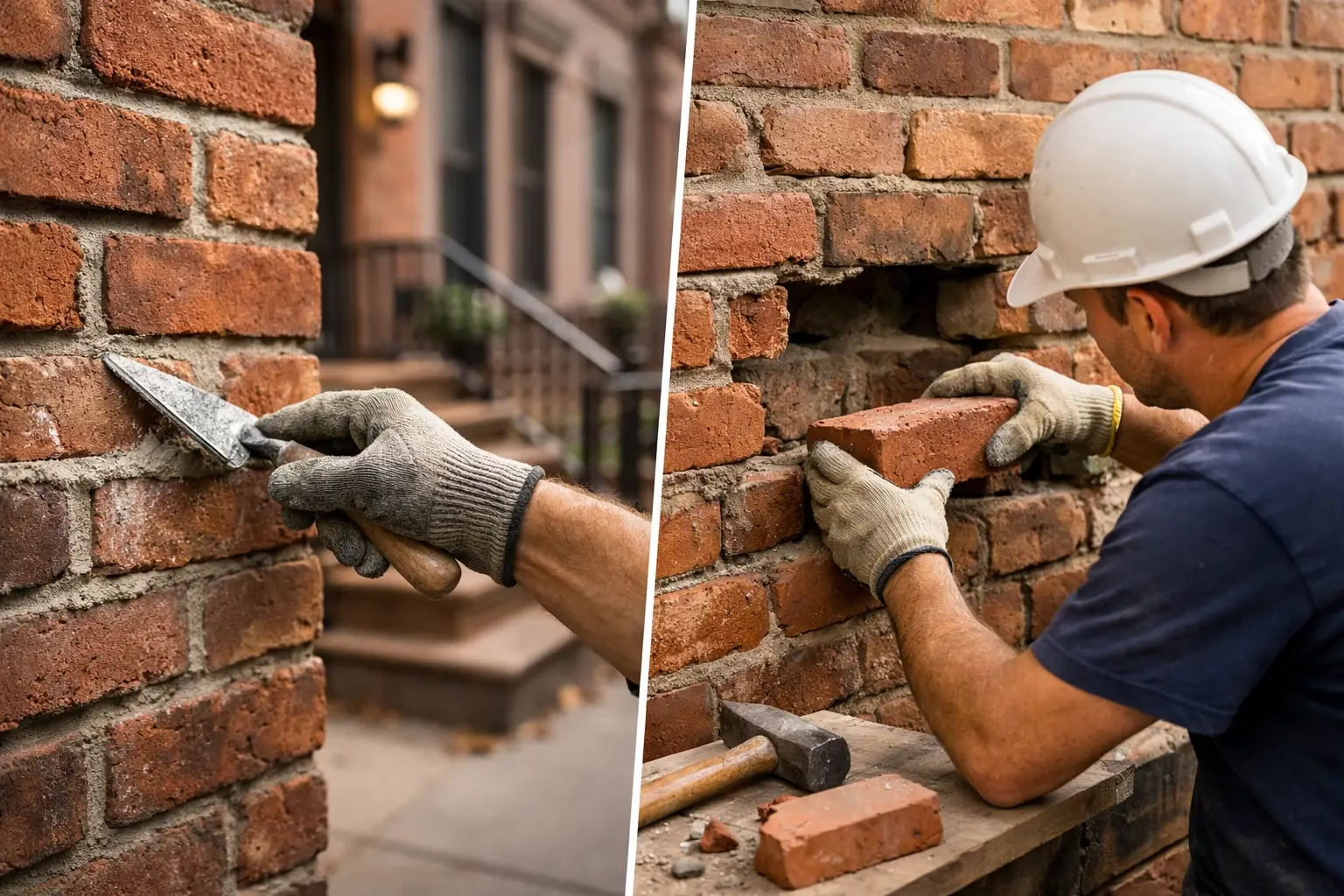
A brick facade can look worn long before it is actually failing. On a Brooklyn brownstone or a prewar multifamily building, open mortar joints, flaking brick faces, and staining can all appear at the same time. The right choice in repointing vs brick replacement comes down to one question: is the brick still sound, or has the masonry unit itself been damaged beyond repair?
That distinction matters. Repointing can preserve original brick, control costs, and extend the life of a wall when the problem is limited to failing mortar. Brick replacement is necessary when individual bricks no longer have the strength to do their job. Choosing the wrong repair can trap moisture, accelerate deterioration, and turn a manageable facade project into a larger one.
What Repointing Actually Repairs
Repointing is the process of removing deteriorated mortar from masonry joints and installing new mortar. It does not mean covering the wall with a surface patch or spreading new material over loose joints. Proper brick pointing requires removing failed mortar to an appropriate depth, cleaning out the joint, and placing compatible mortar in controlled layers.
Mortar is designed to be the more sacrificial part of a masonry wall. In older NYC buildings, the mortar should generally weather before the brick does. When mortar becomes soft, cracked, recessed, or missing, water can enter the wall through the joints. Freeze-thaw cycles, movement, roof runoff, and years of exposure then make the problem worse.
Repointing is usually the right repair when the bricks remain hard and intact but the joints are failing. It restores the wall’s weather resistance while retaining the original masonry that gives a brownstone, townhouse, or commercial facade its character.
Signs Your Building May Need Repointing
Look closely at the mortar, not only at the overall appearance of the facade. Mortar that has receded well behind the brick face, crumbles when touched, shows long cracks, or has washed out in sections is a clear warning sign. You may also notice damp interior areas, white mineral deposits called efflorescence, or vegetation growing from open joints.
Repointing is especially common around parapets, chimneys, window lintels, cornices, and the upper portions of a facade. These areas take the most weather exposure and often fail first. A localized repair can make sense if the rest of the wall is stable, but a full facade inspection is still wise. The visible problem is not always the only problem.
When Brick Replacement Is Necessary
Brick replacement addresses damage to the brick itself. A brick that is cracked through, loose, badly spalled, crushed, or missing cannot be saved by new mortar around it. Repointing those joints may improve the appearance briefly, but it will not restore the brick’s structural integrity or stop water from entering through its damaged face.
Spalling is one of the most common reasons for replacement. It occurs when the outer face of a brick flakes, breaks away, or turns powdery. Water absorbed into the brick can freeze and expand, pushing the surface apart. Salt exposure, long-term moisture problems, incompatible mortar, and improper cleaning methods can all contribute.
Replacement may also be required where bricks have shifted because of movement, where a wall is bulging, or where a deteriorated area affects a lintel, parapet, chimney, or other critical component. In these cases, the work may involve more than switching out a few bricks. The underlying cause, such as failed flashing, leaking gutters, roof issues, or corroded steel, must be corrected as part of the repair.
Do Not Ignore Loose or Falling Brick
In New York City, loose masonry is a safety issue, not just a cosmetic concern. A damaged parapet or failing facade can put pedestrians, tenants, neighboring properties, and building owners at risk. If bricks are loose, pieces are falling, or a wall shows major cracking or bulging, keep people away from the area and arrange for a qualified masonry inspection promptly.
A proper contractor will assess the condition of the facade, identify immediate hazards, and explain whether temporary protection, localized rebuilding, or a larger restoration scope is needed. Licensed and insured work is especially important where exterior access, scaffolding, sidewalk protection, or structural repairs are involved.
Repointing vs Brick Replacement: Cost and Value
Repointing is often less expensive than brick replacement because it preserves sound masonry and involves less material removal. However, it is not automatically a small or simple job. The cost depends on access, height, the number of failing joints, mortar type, the condition of adjacent brick, and whether the project includes waterproofing, flashing, parapet repairs, or cornice restoration.
Brick replacement generally costs more per affected area because damaged units must be carefully removed without harming surrounding masonry. New bricks should match the existing wall as closely as possible in size, texture, color, and absorption rate. This is particularly important on historic brownstones and streetscapes in Brooklyn Heights, Park Slope, Cobble Hill, and other neighborhoods where patchwork repairs stand out.
The cheapest proposal is not always the best value. A low-cost fix that uses overly hard mortar, skips proper joint preparation, or replaces bricks without addressing water entry can create another repair cycle within a few years. A clear written estimate should explain what is being removed, what materials are being used, what related conditions were found, and what areas are included in the repair.
Why Mortar Compatibility Matters in Older Brickwork
Many older NYC buildings were built with softer brick and lime-rich mortar. Installing a very hard modern mortar in those walls can cause damage. Instead of allowing moisture to escape through the joints, hard mortar can force moisture through the brick itself. Over time, that can lead to spalling and cracked faces.
The goal is not simply to fill joints with the strongest available material. The replacement mortar needs to be appropriate for the building’s existing masonry. Color and joint profile also matter, but performance comes first. A well-matched mortar should support the wall, manage moisture properly, and maintain the original appearance as closely as practical.
This is one reason spot repairs deserve careful attention. A wall may need a combination of work: repointing where joints have failed, selective brick replacement where units are damaged, and correction of the water source that started the deterioration.
How a Professional Masonry Assessment Works
A reliable inspection starts with the full building condition, not just the worst-looking section. The contractor should check mortar joints, brick faces, cracks, wall alignment, parapets, coping stones, roof edges, window openings, drainage details, and signs of moisture. Interior staining or recurring leaks can offer useful clues about exterior failures.
From there, the repair scope should be practical and specific. For example, a facade may need targeted repointing below window sills, replacement of several spalled bricks at a chimney, and new flashing at the roof line. Another building may need a larger section rebuilt because loose brick has compromised the parapet.
At Best Budget Construction, our approach is to explain the condition clearly and provide a straightforward estimate based on the work the building actually needs. As a licensed and insured NYC contractor, we focus on safe execution, compatible materials, and repairs that make sense for the property and budget.
A Quick Decision Guide for Property Owners
If your bricks are solid and the mortar is failing, repointing is usually the proper path. If the brick faces are breaking apart, cracked through, loose, or missing, replacement is likely necessary. If both conditions are present, a combined repair is often the most durable and cost-effective solution.
Avoid painting over failing masonry or filling deep open joints with caulk as a permanent repair. Those shortcuts can hide the condition while moisture continues moving through the wall. They also make future restoration more difficult.
Before authorizing work, ask how the contractor will identify the source of water, match mortar to the existing wall, protect the surrounding brick during removal, and handle any unsafe conditions. Those answers tell you far more than a quick price alone.
Your facade does not need to look perfect to be protected, but it does need sound brick, intact joints, and a clear path for water to stay out. A timely inspection and an honest repair plan can preserve the building you own while keeping a small masonry issue from becoming an expensive emergency.
