

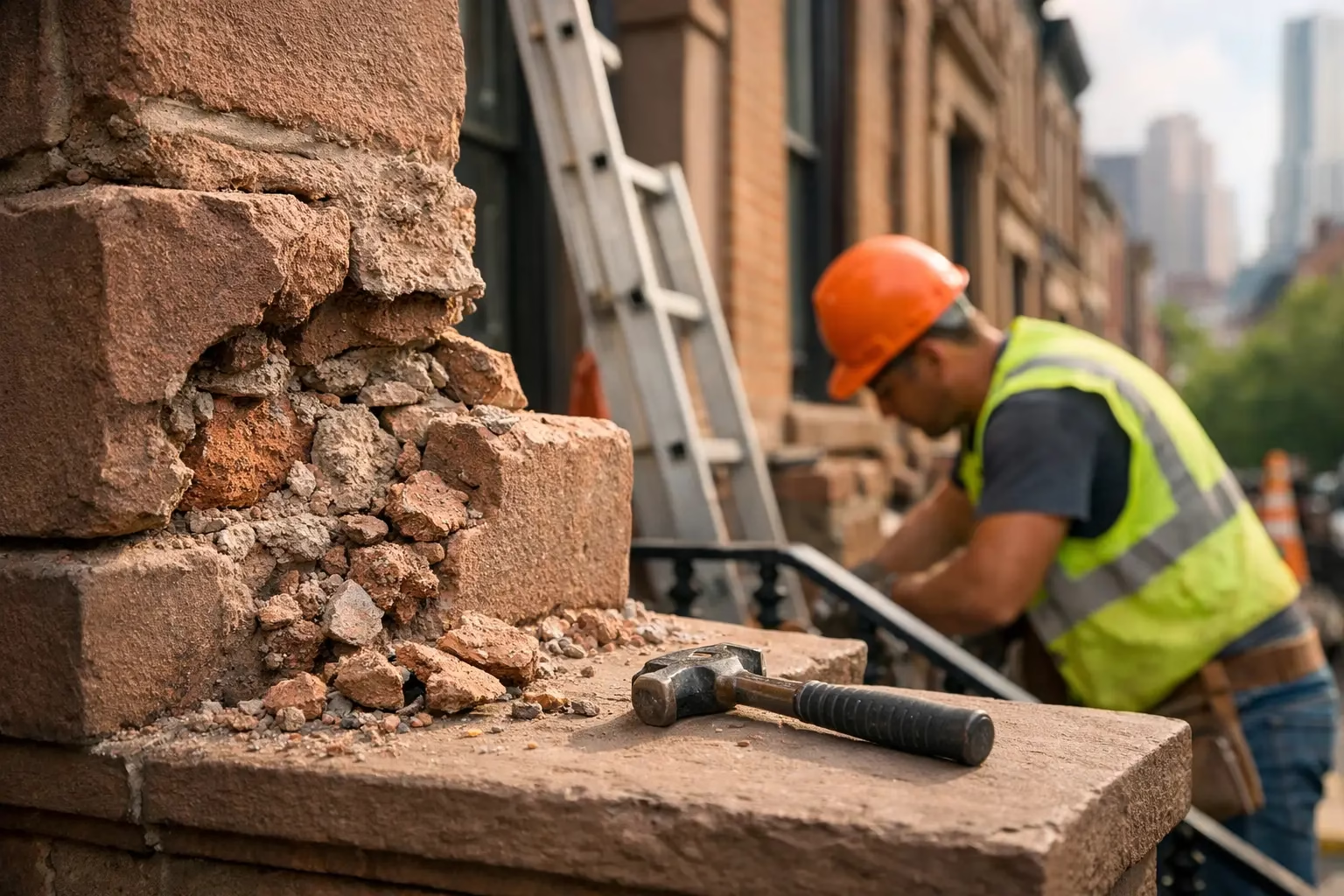
A brownstone facade can look solid for decades, then begin shedding small flakes, developing soft patches, or losing whole pieces around a window sill. Property owners often ask, why do brownstone walls crumble when the building itself appears stable? In most cases, the answer is moisture. Water gets behind the outer brownstone layer, cycles through freezing weather, and gradually breaks down the stone, mortar, and backing beneath it.
For Brooklyn owners, this is not just a curb-appeal problem. Loose facade material can become a safety concern, allow deeper water damage, and turn a manageable repair into a larger restoration project. The earlier the cause is identified, the more options you have to repair the wall correctly and control cost.
Why Do Brownstone Walls Crumble? Water Is Usually the Root Cause
Brownstone is a natural sandstone. Its warm color and carved details give many NYC row houses their character, but it is also more porous than brick. That means it can absorb water through worn paint, open mortar joints, cracks, failed flashing, leaking gutters, and exposed areas near coping stones or cornices.
Once water enters, it does not always dry quickly. Moisture can sit behind a painted surface or within damaged mortar joints. In winter, trapped water freezes and expands. When it thaws, the stone is left slightly weaker. Repeated freeze-thaw cycles cause the face of the brownstone to separate, a failure often called spalling or delamination.
You may first notice a sandy texture, small pits, blistering paint, or thin layers of stone coming off like chips. Those are warning signs, not cosmetic defects to cover with another coat of paint.
Failed Coatings Can Trap Moisture
A brownstone facade needs a protective finish, but not every coating is suitable. Old paint systems, thick non-breathable coatings, and poorly applied patch materials can trap moisture inside the wall. Instead of allowing dampness to move out gradually, the coating holds it against the stone.
This is why a quick paint job can sometimes make a facade problem worse. If the substrate is wet, loose, or contaminated with salts, fresh paint may look good for a season and then bubble, crack, and peel. The moisture is still there, and the brownstone continues to deteriorate underneath.
Proper restoration begins with determining whether the existing coating should be removed, repaired, or stabilized. The right approach depends on the building’s condition, its historic details, and how much original brownstone remains.
Cracked Mortar Joints Let Water Travel Behind the Facade
Many brownstones combine a brownstone-facing material with brick masonry behind it. When pointing mortar fails, water can enter through joints and migrate behind the facade. A crack that looks minor from the sidewalk can be feeding a larger hidden problem.
Mortar matters. Using a mortar that is too hard can damage older masonry because the wall can no longer move and release moisture as intended. On historic properties, the repair mortar should be compatible with the original masonry, not simply the strongest material available.
Open joints around window lintels, stoops, parapets, and decorative bands deserve close attention. These are common areas for water entry because they are exposed to rain, snow, and runoff.
Roof, Gutter, and Cornice Problems Often Start the Damage
A crumbling brownstone wall may actually be the symptom of a problem above it. Missing flashing, a leaking roof edge, blocked gutters, failed leaders, or damaged cornice work can direct water down the face of the building day after day.
When water repeatedly runs over one area, the damage pattern is usually visible. Look for vertical stains below rooflines, dark streaks near a cornice, peeling paint under gutters, or deterioration concentrated around the top floor. Repairing only the damaged patch without correcting the roof drainage issue is money wasted.
The same principle applies around windows. Failed caulking, cracked sills, loose lintels, and missing drip edges can allow water into the facade. A sound repair identifies the path of the water first, then restores the brownstone surface after the source has been addressed.
Age, Movement, and Previous Repairs Add to the Problem
Many Brooklyn brownstones were built more than a century ago. Over that time, foundations settle, masonry expands and contracts, and building components are repaired by different owners using different materials. Small movement is normal in an old building, but it can create cracks at weak points.
Not every crack means structural failure. Hairline cracking in an old coating may be limited to the surface. Wider, stepped, growing, or recurring cracks need a closer review, especially if they appear near openings, parapets, or areas with bulging masonry. The repair plan should match the cause. Cosmetic patching is not enough if water intrusion or movement remains active.
Previous repairs can also create trouble. Cement-heavy patches, improper stucco applications, metal fasteners that rust, and mismatched coatings can pull away from the original brownstone. Rusting embedded steel expands as it corrodes, forcing surrounding material outward and causing pieces to break loose.
What a Proper Brownstone Repair Should Include
There is no single repair for every crumbling facade. A small localized patch may be appropriate when the surrounding stone is sound and the water source has been fixed. Extensive loss may require rebuilding profiles, replacing severely damaged sections, or applying a compatible restoration system across larger areas.
A dependable contractor should inspect the entire condition of the elevation, not just the area that looks worst. That includes the roofline, cornice, parapet, coping, windows, mortar joints, drainage details, and any signs of movement. The goal is to stop deterioration, preserve sound original material where possible, and make repairs that blend with the building rather than create new weak spots.
A typical scope may include removing loose material, cleaning and preparing the surface, repairing masonry backing, repointing joints, rebuilding damaged brownstone details with compatible materials, correcting flashing or drainage issues, and applying an appropriate breathable protective coating. The exact sequence depends on weather, access, extent of damage, and whether the facade has historic architectural details.
For upper-story work or widespread deterioration, safe access is part of the job. Scaffolding, sidewalk protection, and OSHA-compliant work practices are not extras when material may fall onto a public sidewalk. They are essential for protecting residents, pedestrians, and the crew.
When to Call for a Facade Inspection
Do not wait until pieces fall. Schedule an inspection if you see crumbling edges, flaking brownstone, paint blistering, soft or sandy spots, water stains, open joints, cracks around windows, loose cornice material, or persistent leaks after rain. Owners should also inspect facades after a hard winter and before repainting or exterior renovation work.
In neighborhoods with closely spaced row houses, such as Park Slope, Brooklyn Heights, Cobble Hill, and Bed-Stuy, facade conditions can be easy to overlook from the street. A hands-on assessment can reveal whether the issue is a limited repair or a sign that water is moving behind the wall.
Best Budget Construction approaches brownstone restoration as a full building-envelope repair, not a surface patch. That means looking at masonry, pointing, waterproofing, roofing, cornice conditions, and finish work together so the repair addresses what caused the damage in the first place.
A brownstone wall does not need to be perfect to be protected, but it does need to be dry, stable, and properly maintained. If you are seeing early signs of deterioration, get a clear scope and estimate before another winter gives water more room to work.
