

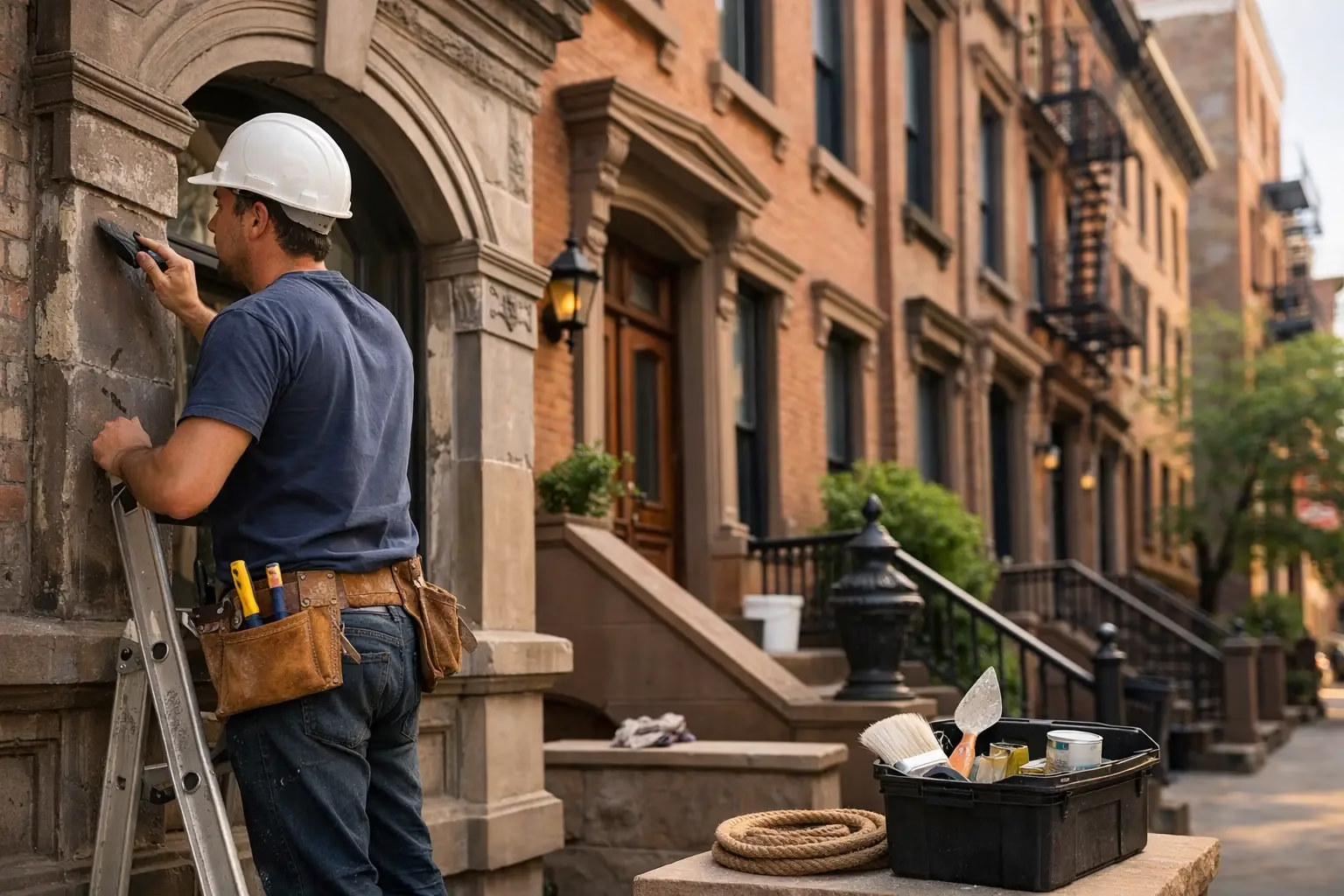
A brownstone can look solid from the sidewalk while water is already working behind the facade. A loose cornice joint, failed window seal, cracked parapet, or open mortar joint can let moisture into places that are expensive to reach later. This brownstone exterior maintenance guide is built for NYC owners who want to protect the building, control repair costs, and avoid waiting until a small exterior issue becomes a structural project.
Brooklyn brownstones face a hard cycle of freezing weather, rain, summer heat, wind, traffic vibration, and urban pollution. Their exterior systems also work together. A roof leak can damage a cornice. A poorly repaired facade can trap water in masonry. A neglected sidewalk or stoop can become both a safety concern and a liability. Regular inspection and timely repair are usually far more affordable than emergency restoration.
Start With a Seasonal Exterior Inspection
A full professional inspection is the right move when there are active leaks, falling material, major cracks, or visible movement. Between professional visits, owners and property managers should walk the building at least twice a year, ideally in spring and fall. Do not climb onto roofs, lean ladders against decorative cornices, or probe loose facade material. Take clear photos from ground level and track changes over time.
Look closely at these common problem areas:
- Roof edges, flashings, drains, gutters, and downspouts
- Parapet walls, coping stones, and chimney joints
- Cornices, decorative brackets, and metal trim
- Brownstone or brick surfaces with cracking, spalling, staining, or missing mortar
- Window sills, lintels, frames, and perimeter caulk joints
- Front stoops, areaway walls, railings, sidewalks, and basement entry points
The goal is not to diagnose every crack yourself. It is to notice whether a condition is new, getting wider, holding water, or creating a risk to people below. In dense neighborhoods such as Park Slope, Brooklyn Heights, Cobble Hill, and Bed-Stuy, a loose piece of masonry over a public sidewalk needs prompt attention.
Keep Water Away From the Building
Water management is the foundation of exterior maintenance. Many facade problems begin above the facade, at the roofline, parapet, scupper, or drain. If water cannot leave the roof quickly, it can back up under flashing, soak masonry, and travel downward through walls.
Clear roof drains and gutters of leaves, debris, and standing sediment. Check that downspouts discharge where they should, rather than against the foundation or onto a neighbor’s property. On flat-roof brownstones, ponding water that remains long after rain may point to a drainage or slope issue. It should be evaluated before it shortens the life of the roof membrane.
Pay attention to the connection between the roof and the parapet. Cracked coping, open seams, failing flashing, and deteriorated mortar at the top of a wall allow water into the masonry from above. Repointing lower wall joints will not solve that problem if the parapet is still open.
At ground level, make sure paving and sidewalk conditions direct water away from the structure. Water collecting near a basement areaway, front stoop, or foundation wall can lead to persistent dampness below grade. Waterproofing is most effective when the exterior drainage issue is addressed at the same time.
Protect Masonry With Compatible Repairs
Historic brownstone is softer and more porous than modern brick or concrete. It needs repair materials that allow the wall to handle moisture properly. One of the most common mistakes is applying a hard cement patch or dense mortar to deteriorated brownstone. That patch may hold for a while, but it can trap moisture or cause the surrounding original material to fail faster.
Repointing is also not simply filling every visible joint. Damaged mortar should be removed carefully to the proper depth, then replaced with a compatible mortar that matches the building’s needs in strength, texture, and appearance. The wrong mortar can damage brick edges and create a patchwork look that reduces curb appeal.
Watch for spalling, which is surface flaking or loss of material, especially near stoops, window sills, cornices, and lower facade areas. White powdery deposits, known as efflorescence, can indicate moisture moving through masonry. It does not always mean the wall is failing, but it is a reason to look for the water source rather than simply clean the surface.
A good facade repair sequence matters. First stop the water entry point. Then repair failed masonry, joints, and flashing. Finally, restore coatings or finishes where appropriate. Painting or coating over wet, unstable masonry may make the building look better briefly while hiding the real issue.
Do Not Treat Cornice Damage as Cosmetic
Cornices are among the most recognizable features of a New York brownstone, and among the most exposed. Wood, sheet metal, and decorative elements at the roofline are hit by rain, ice, sun, and wind year after year. Small open seams often lead to rot, rust, or separation behind the visible face.
Early warning signs include peeling paint concentrated at the cornice, rust stains, sagging sections, open joints, missing pieces, and water marks on the top-floor interior walls. If material appears loose, keep people away from the area below and arrange a professional assessment quickly. A falling cornice component is a public safety issue, not a weekend repair.
Depending on its condition, a cornice may need targeted patching, metal repair, wood replacement, coating work, or a more complete restoration. The lowest-cost option is not always the best value. Repeated surface patching can become more expensive than correcting the underlying framing, flashing, or drainage problem.
Maintain Stairs, Stoops, and Sidewalks for Safety
The front stoop carries daily traffic and takes direct weather exposure. Cracks, loose stone, deteriorated mortar, worn treads, and unstable railings should be addressed before they create a trip hazard. Salt and freeze-thaw cycles are especially hard on concrete and stone surfaces, so avoid using harsh de-icing products that can accelerate deterioration.
Check handrails for movement, rust, and loose fasteners. Review the area where the stoop meets the facade, since open joints there can direct water behind the structure. Areaway drains should remain clear, and cellar doors should close and seal properly. These details are easy to overlook until water reaches the basement.
Sidewalk conditions deserve the same attention. Tree roots, settlement, cracks, and uneven slabs can create liability for property owners. A repair should consider drainage and proper grading, not just a fast cement patch that may crack again after the next winter.
Use Paint and Cleaning Methods Carefully
Exterior paint is not only about color. On wood and metal trim, a sound coating system protects the material beneath it. On masonry, the wrong coating can interfere with how the wall dries. Before painting a brownstone facade, determine whether the existing finish is stable, whether moisture is present, and whether the proposed coating is suitable for historic masonry.
Power washing can remove dirt and biological growth, but too much pressure can damage soft brownstone, old brick, mortar joints, window glazing, and paint. Cleaning methods should be selected for the material and condition of the facade. A low-pressure approach with the right preparation is usually safer than treating every surface like concrete.
If paint is bubbling, peeling, or repeatedly failing in one area, do not assume the answer is another coat. The cause may be a roof leak, failed flashing, trapped moisture, or a deteriorated substrate. Correcting that condition first produces a longer-lasting result.
Budget for Planned Repairs, Not Emergencies
Brownstone maintenance costs vary widely because access, permit requirements, facade height, material matching, and hidden water damage all affect the scope. A small mortar repair completed from a ladder is not the same project as a cornice restoration requiring sidewalk protection, scaffolding, custom fabrication, and structural repairs.
For many owners, the practical approach is to prioritize work in this order: active water intrusion and public safety first, then structural or unstable conditions, then preventive repairs, followed by cosmetic improvements. This does not mean ignoring appearance. On a brownstone, visible deterioration often signals a maintenance issue underneath. It means spending first where the building is most vulnerable.
Keep photos, invoices, repair descriptions, and inspection notes in one property file. This documentation helps when planning future work, comparing estimates, managing a rental property, or selling the building. It also makes it easier for a contractor to understand what has already been repaired and what still needs attention.
NYC facade rules can also affect the project plan. Larger buildings may have formal inspection obligations, while smaller brownstones still must be kept safe and free of hazardous exterior conditions. If your property is in a historic district, visible facade, window, stoop, or cornice changes may require additional review. A qualified contractor can help identify the work scope and practical next steps before construction begins.
When to Call a Brownstone Restoration Contractor
Call for an evaluation promptly if you see loose or falling material, active interior leaks, significant cracking, bulging masonry, a leaning parapet, rotted cornice sections, or recurring water in the basement. These conditions rarely improve on their own. Delaying them can turn a focused repair into a larger roof, facade, waterproofing, or structural project.
For planned maintenance, choose a licensed and insured contractor who understands roofing, masonry, cornices, waterproofing, and exterior finishing as connected systems. Best Budget Construction helps NYC property owners coordinate those trades under one project plan, with clear estimates and practical repair recommendations. The right maintenance work should preserve the character of your brownstone while keeping the building safe, dry, and ready for the next season.
