

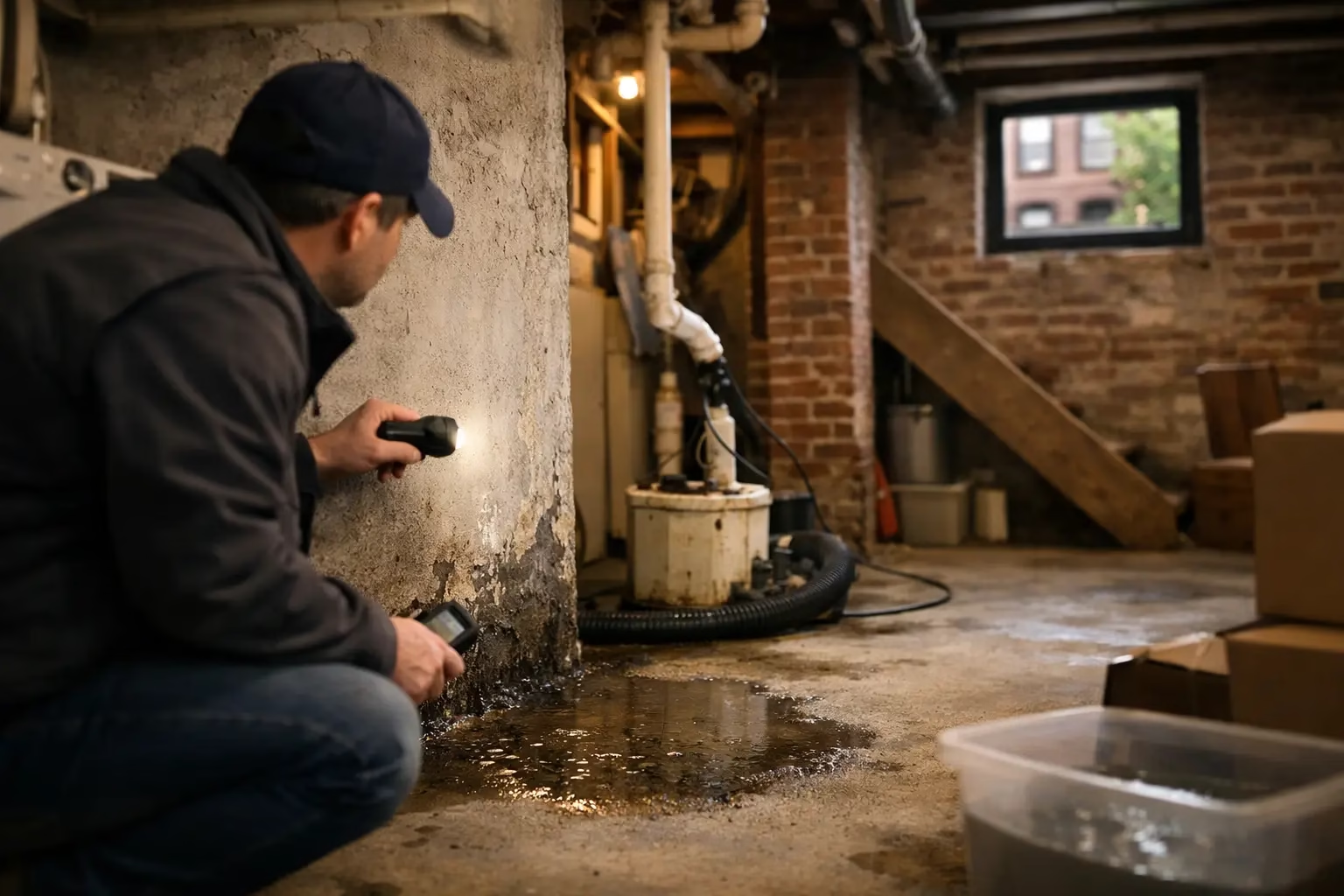
A basement can look dry at first glance and still carry that cold, stale, damp odor every time you open the door. So, why does basement smell damp? Usually, the smell comes from moisture getting into building materials or staying trapped in the air long enough to support mildew, mold, or bacterial growth. In Brooklyn brownstones and other older NYC buildings, that moisture often has more than one path into the space.
A dehumidifier may reduce the odor for a while, but it will not correct a leak, a drainage problem, or wet masonry. The right repair starts with identifying where the moisture is coming from and how far it has traveled.
Why Does a Basement Smell Damp Even When It Looks Dry?
That familiar musty smell is caused by microbial volatile organic compounds. Put simply, mold and mildew release odors as they grow on damp wood, drywall paper, carpet backing, stored boxes, dust, and other organic material. You may not see visible mold because it can be growing behind a finished wall, under flooring, inside a ceiling cavity, or around a plumbing line.
Basements are especially prone to this problem because they are below grade. The surrounding soil holds moisture, foundation walls are cooler than the rest of the home, and airflow is often limited. A small amount of water vapor can condense on cool surfaces day after day. Over time, that is enough to create an odor and damage finishes.
In an older attached home, the source may not be directly under the basement. A roof leak, damaged flashing, open masonry joints, failing window lintel, or plumbing leak higher in the building can allow water to travel through framing and wall cavities before it appears downstairs. That is why a stain or smell in one room does not always point to the actual entry point.
Common Reasons a Basement Smells Damp
Water entering through foundation walls or floors
Cracks in concrete, deteriorated mortar joints, failed exterior waterproofing, and gaps around utility penetrations can allow groundwater into a basement. Sometimes the water is obvious after a heavy rain. Other times, it enters as slow seepage that darkens the lower portion of a wall, leaves a white powdery residue called efflorescence, or keeps the space humid.
For NYC properties, this can be a bigger issue where exterior drainage is limited by sidewalks, neighboring buildings, and paved rear yards. Water that cannot move away from the structure may remain against the foundation. Interior patching can help in certain cases, but it is not always a substitute for correcting the exterior water path.
Condensation from humid air
Not every damp basement has a leak. During warm, humid weather, outside air entering a cool basement can condense on pipes, foundation walls, metal ducts, and concrete floors. This is common when basement windows are left open during muggy summer days or when a space has poor mechanical ventilation.
Condensation is usually worse near cold water pipes and uninsulated ductwork. It can also form behind furniture or stored belongings placed tight against a foundation wall. The trade-off is that adding ventilation is not automatically the answer. Pulling humid outside air into a cool basement can make condensation worse, so the solution may be insulation, air sealing, and controlled dehumidification rather than simply opening windows.
Plumbing leaks and failed drain lines
A slow leak from a supply line, radiator pipe, washing machine connection, water heater, or bathroom above can keep building materials damp for months. Even a small leak inside a wall can create a strong odor before it creates a major stain.
Drain and sewer issues can also be mistaken for a normal damp-basement smell. If the odor is sharp, rotten, or sewer-like, check for dry floor drains, unused plumbing fixtures, cracked drain lines, or a failing ejector pump. A dry trap can allow sewer gas into the room. That is a plumbing issue, not a moisture issue, and it should be addressed promptly.
Wet materials left after a past flood or leak
A basement may smell musty long after the original water event is over. Drywall, insulation, carpet padding, engineered flooring, wood framing, and stored items can retain moisture or mold growth if they were not properly removed and dried.
Painting over a water stain does not solve this problem. Neither does covering a damp wall with new paneling. Materials that remain wet or contaminated behind a finish can continue to smell and deteriorate. In a finished basement, selective demolition is often necessary to inspect the wall cavity and protect the rest of the renovation.
Exterior building problems above grade
For brownstones and masonry buildings, damp basement conditions can begin with neglected exterior maintenance. Cracked stucco, loose coping, open brick joints, damaged pointing, deteriorated cornices, clogged roof drains, and leaking leaders can direct rainwater into masonry instead of away from it.
Masonry absorbs water and releases it slowly. When the wall cannot dry properly, moisture can migrate inward, especially through older brick assemblies. Proper repointing, flashing, roof repair, and waterproofing need to work together. Applying a coating to one area while ignoring an active roof or facade defect may only delay the next round of damage.
How to Find the Source Before Spending Money on Repairs
Start by paying attention to timing. If the smell gets stronger after rainfall, look closely at foundation walls, exterior drains, window wells, and cracks. If it is worse in summer, condensation and high indoor humidity are more likely. If it appears after using a bathroom, laundry area, or heating system, investigate plumbing and mechanical equipment.
Look for peeling paint, bubbling finishes, rust on metal, warped trim, soft drywall, dark spots, and white mineral deposits. Move boxes, shelving, and furniture away from exterior walls. Stored cardboard is a common odor holder and can hide early mold growth.
A humidity meter is a useful low-cost tool. Basement relative humidity should generally stay below 60 percent, with 45 to 55 percent often being a better target for comfort and mold prevention. If the humidity stays high while no obvious leak is visible, the building may need a more detailed inspection of drainage, wall assemblies, plumbing, and ventilation.
Do not assume the strongest odor marks the exact source. Air moves through framing bays, duct chases, and gaps around pipes. A contractor may need to open a limited section of finished wall or ceiling to confirm the condition behind it. That is better than replacing an entire basement finish based on a guess.
Repairs That Actually Address a Damp Basement Smell
The correct fix depends on the cause. A leaking pipe needs repair and proper drying. Condensation may require pipe insulation, air sealing, a correctly sized dehumidifier, and better control of humid air. Rainwater infiltration may call for crack repair, drainage work, masonry restoration, exterior waterproofing, sump equipment, or a combination of these measures.
If mold is visible or materials have remained wet for more than a day or two, damaged porous materials may need to be removed. The affected area should be dried completely before new insulation, drywall, flooring, or paint is installed. Rebuilding too soon locks moisture into the wall and can turn a minor repair into a repeat project.
For a basement remodeling project, waterproofing and moisture control should come before finishes. It is more affordable to correct a wall, floor, drain, or exterior defect before installing new tile, cabinetry, drywall, or painted trim. A clean finished basement is only as dependable as the structure behind it.
When to Call a Professional
Call for an inspection if the odor returns after cleaning and dehumidifying, if you see recurring stains or peeling paint, if water appears after rain, or if there is visible mold over a large area. You should also act quickly when an odor is accompanied by sewer smells, electrical concerns, sagging materials, or damage near a boiler, water heater, or electrical panel.
A qualified, licensed, and insured contractor can evaluate the basement as part of the whole building – not just the room that smells. Best Budget Construction helps NYC property owners identify water entry, repair damaged finishes, address masonry and waterproofing concerns, and prepare basements for lasting renovation work.
A damp odor is your building giving you an early warning. Address it while the problem is still limited, and you can protect the space, the structure, and the value of the property before hidden moisture becomes a larger repair.
