

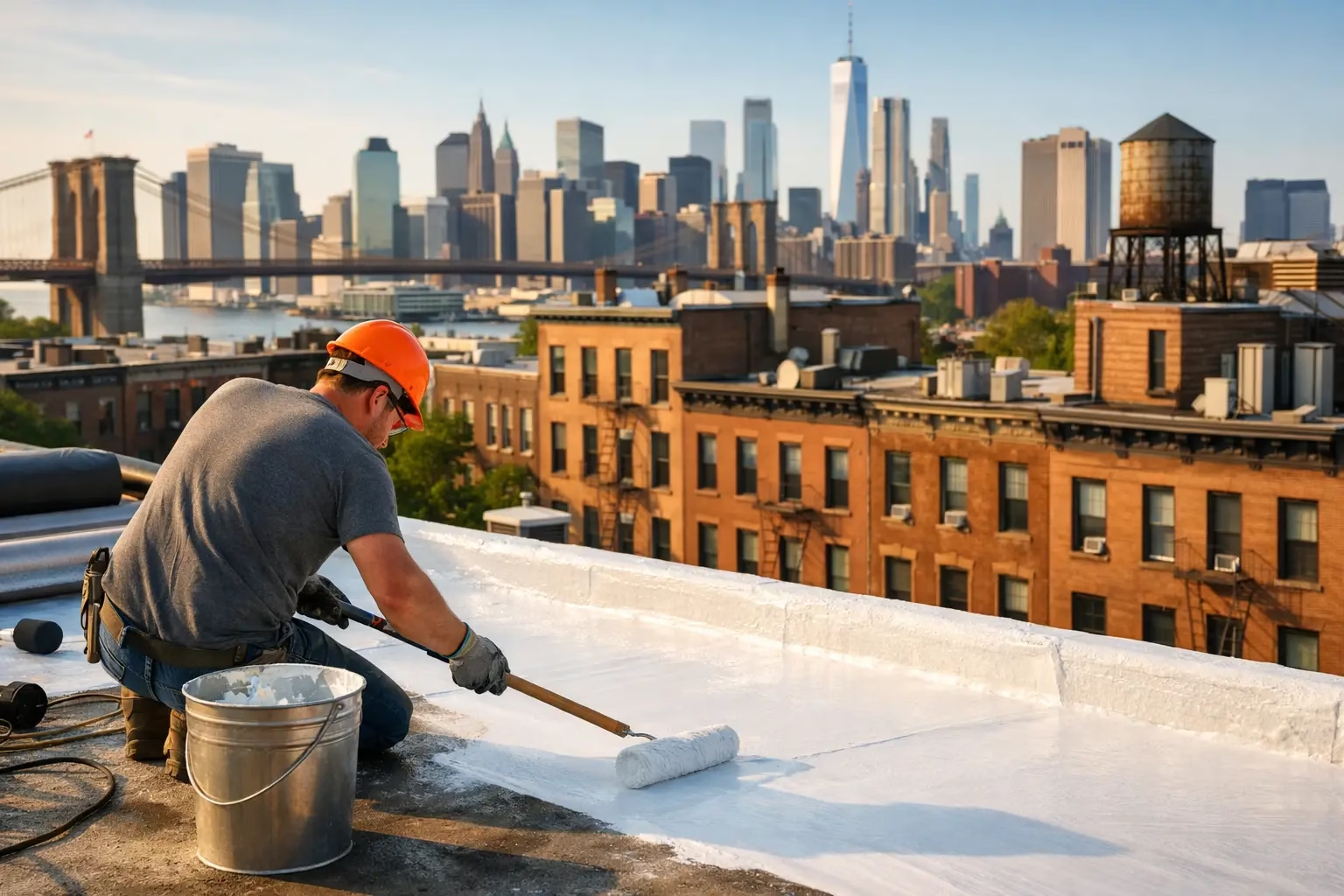
A roof coating can look like a simple fix until the first season of standing water, summer heat, and freeze-thaw weather exposes a weak application. So, which roof coating lasts longest? For many properly prepared flat and low-slope roofs, a high-solids silicone coating usually delivers the longest service life because it holds up well against ponding water and UV exposure. But no coating lasts if it is applied over wet insulation, failed seams, loose flashing, or an active leak.
For Brooklyn brownstones, multifamily buildings, and small commercial properties, the right answer starts with the condition of the existing roof. A coating is a restoration system, not a substitute for structural roof repair.
Which Roof Coating Lasts Longest on a Flat Roof?
Silicone is generally the longest-lasting option for an existing flat or low-slope roof that is still sound enough to restore. A professionally installed silicone system can often perform for 15 to 20 years, and sometimes longer with regular inspections and maintenance. Actual service life depends on coating thickness, drainage, roof traffic, surface preparation, and the condition of the membrane below it.
Silicone is especially useful in New York City because it resists sunlight and does not break down quickly when water sits on the roof after heavy rain. Many older urban roofs have limited slope, clogged drains, or low areas around penetrations. Those conditions are hard on coatings that need a roof surface to dry quickly.
There is a trade-off. Silicone attracts dirt more easily than some alternatives, so a bright white roof may lose some reflectivity over time. It can also be difficult for another coating to bond to later unless the surface is prepared correctly. These are manageable issues, but they are reasons to hire a contractor who understands the full system instead of simply rolling coating over an aging roof.
How the Main Roof Coatings Compare
Silicone: Best for ponding water and long-term exposure
Silicone is a strong choice for low-slope roofs with occasional standing water. It remains flexible through changing temperatures, handles UV exposure well, and can be applied over several roof substrates when the surface is properly cleaned, repaired, and primed where required.
It is not the lowest-cost material up front. Still, for a roof with drainage challenges, paying more for the right system can be less expensive than repeating short-term repairs every few years. Silicone should not be used to hide saturated roofing materials or widespread membrane failure. Those issues need to be corrected before coating work begins.
Polyurethane: Toughest choice for foot traffic
Polyurethane coatings are highly durable and resist impact and abrasion better than many other coating types. They are often a practical choice where maintenance crews regularly walk the roof, where HVAC equipment creates service traffic, or where the existing surface has a rough texture.
A polyurethane system usually involves a base coat and a UV-resistant top coat. It may not be as forgiving of ponding water as silicone, depending on the product and assembly, but it is one of the best options when physical wear is the main concern. On a busy commercial roof, durability underfoot can matter as much as weather resistance.
Acrylic: Affordable, but dependent on drainage
Acrylic coatings are water-based, reflective, and usually more budget-friendly than silicone or polyurethane. They can work well on roofs with positive drainage and a stable surface. They are also commonly selected when reducing rooftop heat gain is a priority.
The limitation is standing water. Acrylic can soften or wear faster when water remains on the roof for long periods. In a city where leaves, debris, and snow can block drains, that is a serious consideration. A properly sloped, well-maintained roof may get good results from acrylic. A roof with recurring ponding usually needs a different approach.
Asphalt and aluminum coatings: Maintenance, not a long-term cure
Asphalt-based and aluminum roof coatings can provide a lower-cost maintenance layer for certain built-up roofs. They may improve surface protection and help extend the time before larger work is needed. However, they generally do not offer the long service life or elastic performance of a quality silicone or polyurethane system.
For property owners trying to manage costs, these coatings can make sense as part of a short-term maintenance plan. They should not be presented as a permanent repair for a roof with cracked seams, failing flashings, blistered membrane, or moisture trapped below the surface.
The Roof Condition Matters More Than the Can
The material is only one part of how long a coating will last. Proper preparation is where many coating projects succeed or fail. Before applying any system, the roof should be inspected for open seams, damaged flashing, loose coping, deteriorated masonry at parapet walls, clogged drains, and evidence of wet insulation.
The existing roof must be cleaned thoroughly. Dirt, chalking, grease, loose granules, and old failed coating can prevent adhesion. Roof details also need attention. Field areas are relatively easy to coat; penetrations, drains, scuppers, skylights, parapet transitions, and equipment curbs are where leaks often begin.
On older Brooklyn buildings, roof and masonry issues can overlap. A leak entering near a parapet may come from failed flashing, cracked coping joints, open brick pointing, or a deteriorated cornice detail rather than the flat roof membrane itself. Coating the roof alone will not solve water entry from the wall assembly.
When a Roof Coating Is the Right Investment
A coating system makes financial sense when the current roof is aging but still fundamentally serviceable. The membrane should be attached, reasonably dry, and free from widespread failure. Minor cracks, seam issues, and flashing repairs can often be addressed before coating to create a continuous protective surface.
Coatings are also useful for owners who want to extend roof life without the cost and disruption of a full tear-off. This can be particularly valuable for occupied multifamily properties, brownstones, and commercial spaces where interior operations need to continue.
A coating is usually not the right solution when the roof deck is compromised, insulation is saturated across large areas, leaks are widespread, or the membrane has reached the end of its useful life. In that case, applying a coating may delay necessary replacement while allowing hidden damage to continue.
How to Get the Longest Life From Any Coating
The best coating system needs routine attention after installation. Roof drains and scuppers should be cleared before and after major weather events. Tree debris should not be allowed to sit against drains or parapet walls. Mechanical contractors should use walk pads and avoid damaging the coated surface when servicing equipment.
Plan for a professional roof inspection at least once a year and after severe storms. Early repairs to a puncture, failed sealant joint, or damaged flashing are far less expensive than waiting for moisture to spread beneath the membrane. Keep records of repairs, inspections, and any manufacturer-required maintenance as well. This supports warranty compliance and helps a contractor diagnose future issues accurately.
Cost should be evaluated over the expected service life, not only by the price per gallon. A cheaper coating that needs frequent repair is not always the budget option. The goal is a roof system that fits the building, drainage conditions, and maintenance plan.
For an NYC flat roof that is still a good candidate for restoration, silicone is often the longest-lasting coating choice. The right decision still requires an on-site inspection of the membrane, drainage, flashings, and surrounding masonry. Best Budget Construction provides licensed, insured roof repair and restoration work for property owners who need a practical scope, clear pricing, and workmanship that addresses the source of the problem before the coating goes on.
