

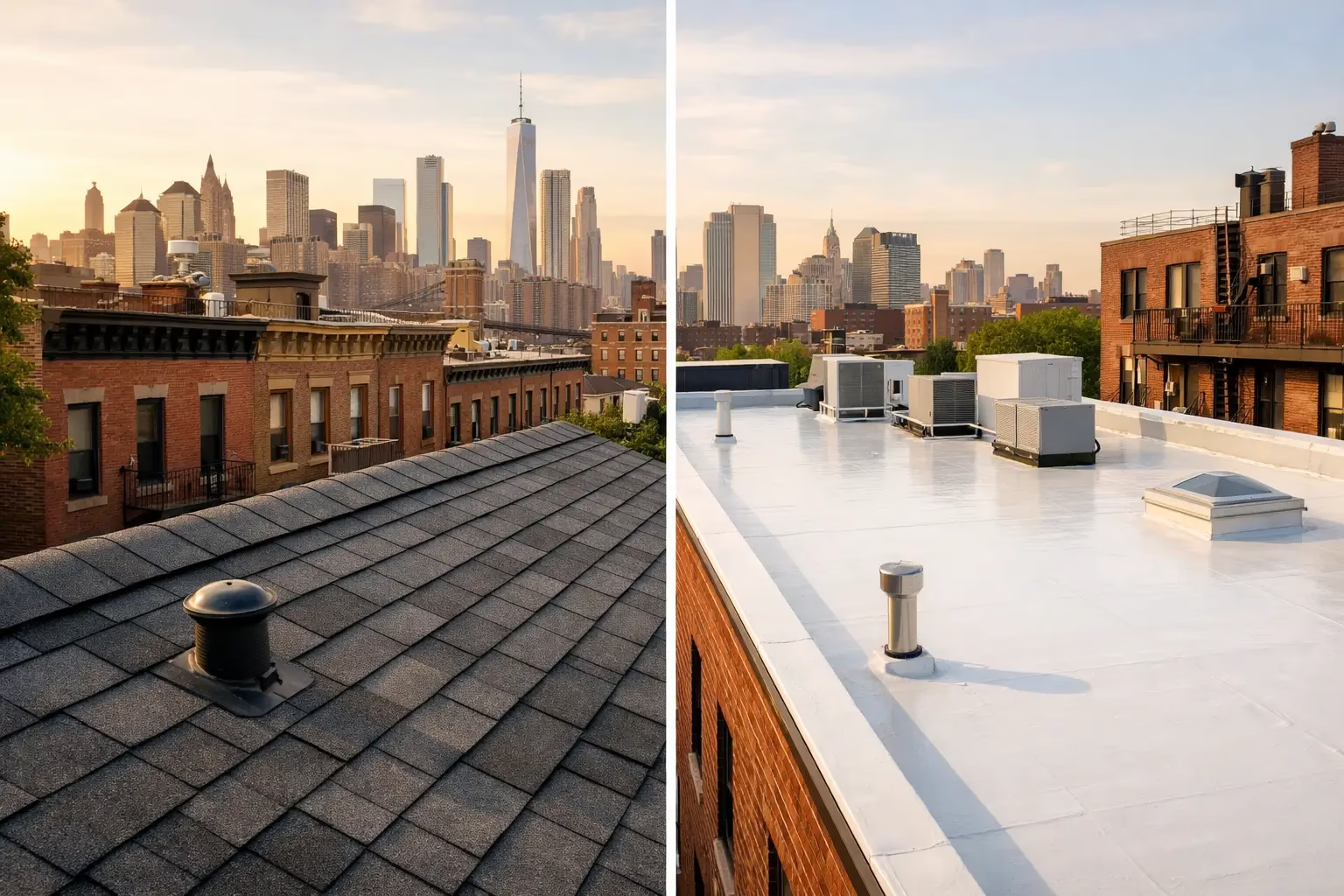
A roof leak over a top-floor apartment, finished attic, or commercial space rarely starts as a small problem. Water can travel through insulation, framing, masonry joints, and ceilings before it becomes visible. When weighing an asphalt roof versus membrane roof, the right choice comes down to more than material price. Roof slope, drainage, building use, existing construction, and long-term maintenance all matter, especially on older Brooklyn and NYC properties.
For many owners, the first question is simple: is the roof pitched or low-slope? That answer usually eliminates the wrong system before the estimate even begins.
Asphalt Roof Versus Membrane Roof: Start With Slope
An asphalt shingle roof is designed for pitched surfaces that shed water quickly. Individual shingles overlap in layers, directing rain down the roof and into gutters. This makes asphalt shingles a practical, cost-conscious choice for houses, garages, additions, and certain multifamily buildings with a visible sloped roofline.
A membrane roof is designed for low-slope and flat roof areas where water moves more slowly. Instead of hundreds of overlapping pieces, it uses large sheets or layers with sealed seams and detailed flashing around drains, parapet walls, skylights, vents, and rooftop equipment. Common membrane choices include modified bitumen, EPDM, TPO, and PVC.
The distinction matters because shingles are not intended for roofs with insufficient slope. On a nearly flat roof, water can back up beneath the shingle layers, freeze and thaw at vulnerable points, and create leaks. A membrane system on a properly pitched roof can work in limited situations, but it is often not the most attractive or cost-effective option.
For NYC brownstones, attached homes, and mixed-use buildings, it is common to have both roof types on one property: a low-slope main roof behind a parapet and a sloped roof over a rear extension, entry, dormer, or top-floor addition. Each area should be evaluated on its own conditions rather than forcing one material across the entire building.
What People Mean by an Asphalt Roof
“Asphalt roof” can mean two very different systems. Most homeowners mean asphalt shingles. However, in commercial and low-slope roofing, asphalt-based systems can also include built-up roofing and modified bitumen membranes.
Asphalt shingles are made with a fiberglass mat and asphalt coating, finished with protective mineral granules. They are widely available, familiar to buyers, and relatively straightforward to repair when damage is limited to a section. Quality architectural shingles can provide good performance on a properly ventilated, adequately sloped roof.
Modified bitumen is also asphalt-based, but it is a membrane roofing system for low-slope roofs. It is installed in rolls, often with heat-welded, self-adhered, or cold-applied seams. This is an important distinction when comparing quotes. A proposal for an “asphalt roof” may refer to shingles, or it may refer to a multi-layer low-slope system. Owners should ask exactly which product is being proposed, how it will be installed, and what flashing and drainage work are included.
Where Asphalt Shingles Make Sense
Asphalt shingles are often the better fit when the roof has enough pitch to shed water, the property needs a traditional residential appearance, and the budget needs to stay controlled without sacrificing dependable coverage. They are especially common on detached and semi-detached homes, rear additions, and steep-slope portions of older properties.
Their biggest advantage is value. Material costs are generally lower than premium membrane systems, and localized repairs can be manageable when the decking and underlayment remain sound. Shingles also come in many colors and profiles, helping owners match surrounding roof areas or maintain a classic look.
There are trade-offs. Shingles have many joints, penetrations need careful flashing, and wind can lift damaged or poorly installed pieces. In a dense city setting, falling branches, foot traffic from unauthorized roof access, and work by other trades can also damage a shingle roof. Ventilation and attic conditions matter as well. Excess heat and trapped moisture can shorten shingle life from below.
A shingle roof is not automatically a low-cost roof if the existing deck is deteriorated, the slope has complex valleys, or the project needs major chimney, gutter, masonry, or structural repairs. The material price is only one part of the job.
Where Membrane Roofing Performs Better
A membrane roof is usually the correct solution for flat or low-slope roofs, particularly the common parapet-style roof layout found across Brooklyn and Manhattan. These roofs depend on a continuous waterproof surface, properly sealed seams, functioning drains or scuppers, and flashing that ties into masonry walls and rooftop penetrations.
Membrane systems can offer strong water resistance because they use fewer exposed seams than shingles. They are also well suited for roofs with HVAC equipment, vent stacks, skylights, bulkheads, and other details that need custom flashing. A white reflective TPO or PVC membrane may help reduce heat absorption, while EPDM and modified bitumen are proven options with their own strengths depending on the installation and roof design.
The weak point is not always the membrane itself. On many aging NYC buildings, leaks develop at parapet coping, deteriorated mortar, cracked stucco, blocked drains, loose counterflashing, or poorly patched penetrations. Replacing only the field membrane without addressing those connected conditions can leave the owner with an expensive roof that still has water problems.
Membrane roofs also require better discipline around foot traffic. Service technicians should use designated walk pads where needed, and no one should drag equipment across the roof surface. A puncture, split seam, or unsealed old penetration can defeat an otherwise sound system.
Cost Depends on the Whole Roof Assembly
It is tempting to compare roofing costs by square foot alone. That can be misleading. A roof estimate should account for tear-off, deck repairs, insulation, drainage, flashing, edge metal, parapet conditions, access, disposal, and protection of occupied areas below.
A basic asphalt shingle installation may cost less upfront than a membrane roof, particularly on a simple, accessible pitched roof. But installing shingles on an inappropriate low-slope surface creates a false economy. The cost of recurring leaks, ceiling repairs, mold remediation, and tenant disruption can quickly outweigh the initial savings.
Membrane roofs often have a higher upfront price because the installation requires specialized detailing and may include insulation upgrades, tapered insulation for drainage, or extensive flashing work. Still, a properly specified membrane can be the more economical choice over its service life when the roof is low-slope and exposed to ponding water, snow, and rooftop activity.
The best estimate is transparent about what is included and what conditions may change the price after tear-off. Hidden rotted decking, damaged framing, and failing parapet masonry cannot always be confirmed until existing materials are removed. A reliable contractor documents those findings and explains the repair options before moving forward.
Drainage Is the Deciding Factor on Flat Roofs
Standing water is one of the clearest warning signs on a low-slope roof. A small amount of water shortly after a storm may be normal, but ponding that remains for days puts added stress on seams, coatings, and flashing. It can also hide membrane damage until a leak reaches the interior.
Before selecting a membrane, inspect the roof’s drainage path. Are drains clear? Do scuppers discharge properly? Is the roof surface pitched toward drainage points? Are internal drain leaders working? On some properties, tapered insulation can improve the slope without major structural reconstruction. On others, drain repairs or additional drainage points may be necessary.
This is one reason roof work should be coordinated with masonry and waterproofing expertise. A roof edge, parapet wall, coping stone, and exterior drainage system work together. Treating them as separate problems often leads to repeat repairs.
Lifespan and Repair Expectations
No roof material has one guaranteed lifespan. Installation quality, drainage, sunlight, building movement, ventilation, maintenance, and storm exposure affect every system. An asphalt shingle roof may provide many years of service on the right slope, while a well-installed membrane roof can also perform for decades with regular inspection and timely repairs.
What matters most is catching small defects early. For shingles, look for missing tabs, exposed nails, curling, granule loss, damaged flashing, and signs of attic moisture. For membranes, watch for open seams, blisters, punctures, cracks around penetrations, loose edge metal, clogged drains, and deteriorated sealant.
Property managers should schedule roof checks after major wind or snow events and before recurring seasonal rain. Owners of historic brownstones should also inspect parapet masonry and coping because water intrusion at the roof perimeter can damage both the roofing system and the facade.
Choosing the Right Roof for Your Property
Choose asphalt shingles when the roof has proper pitch, the appearance suits the building, and the structure can support a conventional shingle assembly. Choose a membrane system when the roof is flat or low-slope, has multiple penetrations, relies on internal drainage, or sits behind parapet walls.
If you are comparing proposals, do not settle for a material name alone. Ask about slope, existing deck condition, insulation, drain work, flashing, coping, tear-off, warranty coverage, and how the contractor will protect the property during construction. Licensed, insured, OSHA-compliant roofing work is especially valuable in NYC, where access, neighboring buildings, and occupied spaces add real project risk.
A roof should match the building it protects, not simply the lowest number on an estimate. A careful on-site assessment can identify whether you need shingles, a membrane, drainage correction, masonry repairs, or a combination of all four before a minor water issue becomes an interior renovation project.
