

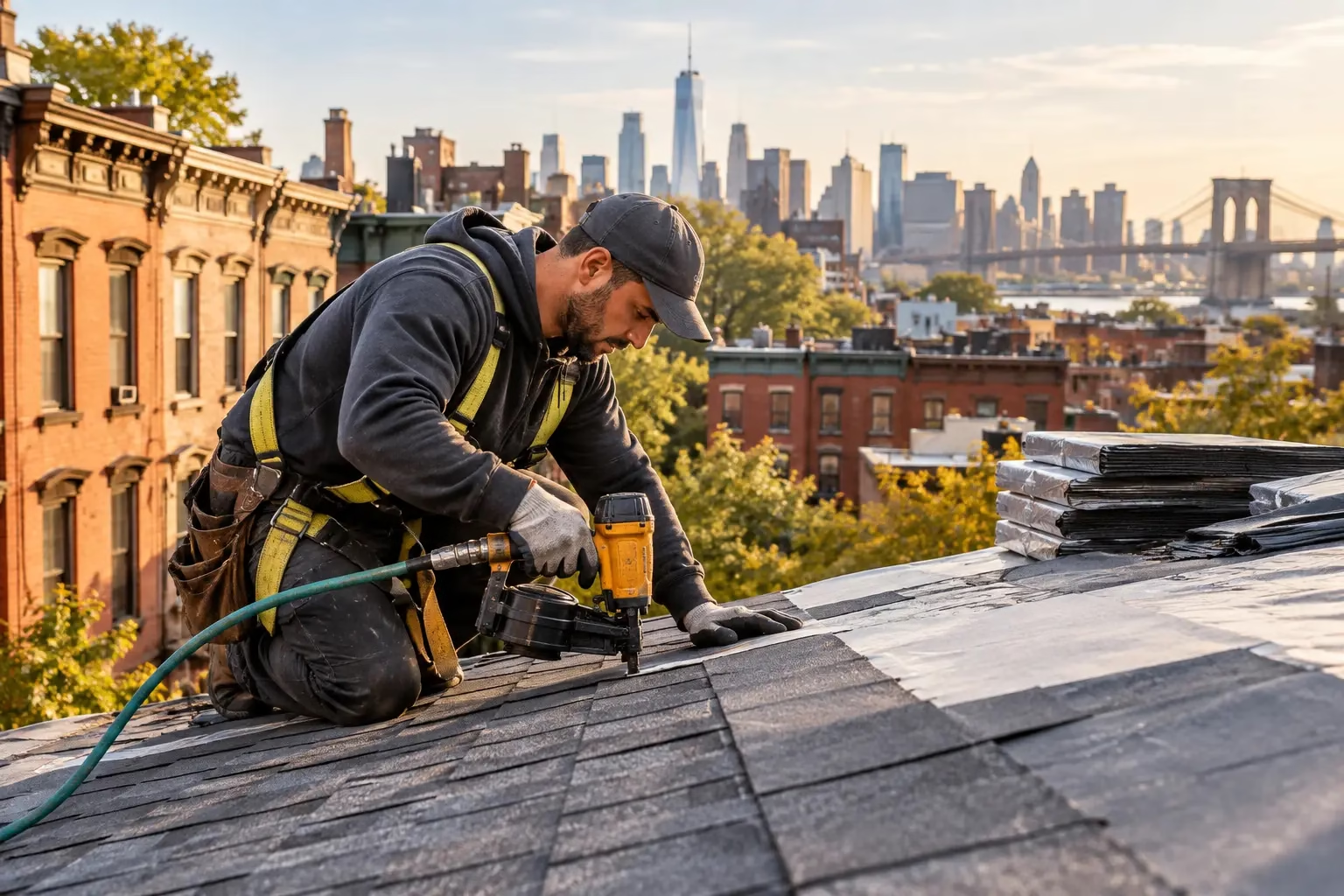
A Brooklyn roof has a hard job. It must handle standing water on a low-slope surface, summer heat, winter freeze-thaw cycles, wind-driven rain, and the tight access common around row houses and brownstones. Choosing the best roofing materials Brooklyn property owners can depend on is less about finding one universal product and more about matching the system to the building, roof shape, drainage condition, and budget.
For a brownstone in Park Slope, Brooklyn Heights, or Cobble Hill, the roof choice may also affect parapet walls, cornices, masonry flashing, and the property’s long-term waterproofing plan. A less expensive installation that ignores those details can lead to recurring leaks, damaged ceilings, and expensive interior repairs.
Best Roofing Materials Brooklyn Owners Should Consider
Most Brooklyn residential and commercial roofs are flat or low-slope, even when the building façade gives a different impression from the street. That makes membrane roofing the practical choice for many properties. Asphalt shingles can work well on a true pitched roof, but they are not a solution for a nearly flat brownstone roof.
Modified Bitumen for dependable low-slope protection
Modified bitumen is a proven material for flat and low-slope roofs. It is typically installed in rolled sheets, with seams that are sealed using heat-applied, cold-applied, or self-adhered methods. It creates a thick, durable surface that stands up well to normal foot traffic from maintenance crews, which matters on urban roofs with HVAC equipment, skylights, or access hatches.
For property owners watching costs, modified bitumen often provides a sensible balance of price and performance. It is especially useful when a roof needs a durable membrane without moving into the higher price range of some premium systems. The trade-off is that proper seam work, flashing, and drainage are critical. A good material will still fail if it is installed over wet decking or tied poorly into a parapet wall.
EPDM for simple, flexible coverage
EPDM is a synthetic rubber roofing membrane commonly used on low-slope roofs. Its flexibility helps it tolerate temperature movement, and its large sheets can reduce the number of seams across the roof surface. It can be an effective choice for broad, uncomplicated roof areas where a clean, practical installation is the goal.
EPDM is often black, which can absorb heat, though lighter options and coatings may be available. It also needs careful attention around penetrations, drains, edge details, and wall transitions. On an older Brooklyn building, those transitions are often where leaks begin, not in the middle of the roof field.
TPO for reflective energy performance
TPO is a white, heat-welded single-ply membrane. Its reflective surface can reduce heat absorption, making it appealing for top-floor apartments and commercial properties that get strong summer sun. The welded seams are a major benefit when completed correctly, helping create continuous protection against water intrusion.
TPO can be a strong option for owners planning a long-term roof replacement, particularly where energy efficiency and a bright roof surface are priorities. It may cost more upfront than a basic repair or entry-level membrane installation. The value depends on the roof’s layout, insulation needs, drainage, and the quality of the installation crew.
Asphalt shingles for pitched Brooklyn roofs
Asphalt shingles remain one of the most cost-effective choices for truly sloped roofs on homes, garages, additions, and certain commercial structures. Architectural shingles offer better thickness and wind resistance than basic three-tab shingles, and they can provide a clean finished appearance without the cost of slate or metal.
They are not designed for roofs with minimal pitch. If water moves slowly across the roof rather than shedding quickly, shingles are the wrong material. Before selecting them, the roof slope, underlayment, flashing, and ventilation should be evaluated honestly.
Metal roofing for select long-term projects
Metal roofing can last for decades and performs well on pitched applications. It is lightweight, sheds snow and rain efficiently, and offers a distinct architectural look. For a renovated townhouse, rear addition, or commercial building with the right roof design, metal can be an excellent long-term investment.
The limitation is cost and complexity. Metal requires precise flashing around chimneys, walls, penetrations, and roof transitions. It is usually not the lowest-cost option, and it is not automatically the right fit for every historic or flat-roof Brooklyn property.
The Material Is Only Half the Roofing System
A roof membrane or shingle is visible, but the hidden components often decide whether the work lasts. Brooklyn roofs commonly fail at flashing, drains, parapet walls, scuppers, coping stones, and roof penetrations. On brownstones and older multifamily buildings, deteriorated masonry can allow water behind the roofing membrane and create leak symptoms far from the actual entry point.
A complete roof evaluation should look at the roof deck, insulation, drainage path, existing layers, flashing, and the condition of surrounding brick or stucco. If the roof holds ponding water after rainfall, simply covering the surface without correcting the slope or drainage can postpone the problem rather than solve it.
Interior symptoms also matter. Ceiling stains below the top floor, peeling paint near exterior walls, musty odors, and bubbling plaster may point to roof or flashing issues. A contractor should trace the moisture source before recommending a full replacement. In some cases, a targeted repair is the responsible, budget-conscious answer. In others, repeated patching costs more over time than installing a properly designed new system.
Brownstone Roofing Requires Masonry and Flashing Experience
Brooklyn brownstones are not standard suburban roofing jobs. Their rooflines often connect directly to parapet walls, decorative cornices, brick facades, and drainage systems that have been modified over decades. Roof work may need to be coordinated with brick pointing, waterproofing, cornice restoration, or facade repair to stop water from traveling into the building envelope.
For example, replacing a membrane while leaving open mortar joints along a parapet wall can leave the property vulnerable. The same is true when damaged coping, failed counterflashing, or cracked masonry is ignored. A roofing proposal should explain what happens at edges, walls, drains, and penetrations, not just identify a square-foot price for material.
How to Choose the Right Roof for Your Budget
Start with the roof’s shape and current condition. A pitched roof may be a candidate for architectural shingles or metal. A low-slope roof will usually call for modified bitumen, EPDM, TPO, or another membrane system. Next, consider whether the existing roof can be repaired, recovered, or must be removed down to the deck.
Then weigh ownership plans. A landlord managing a property for the next several years may prioritize a durable, repairable system with predictable maintenance. A homeowner completing a major renovation may decide that a higher-performance, reflective roof is worth the additional investment. Neither choice is automatically better. The right choice is the one that addresses the building’s actual conditions without paying for features the property does not need.
Ask for a clear scope that identifies the material, number of layers, insulation where needed, flashing work, drain or scupper repairs, debris removal, and protection for the property. Transparent details make it easier to compare estimates fairly. A low quote that excludes edge metal, masonry repair, or proper flashing can become the expensive quote later.
Best Budget Construction in Brooklyn & NYC
Best Budget Construction approaches roofing as part of the full exterior condition of the building. For properties with roof leaks, damaged flashing, aging parapets, cracked masonry, or water intrusion, coordinating roofing with waterproofing, brick pointing, facade work, and interior repair can prevent separate crews from treating only part of the problem.
License & Insurance credentials for all services
Property owners should confirm that the contractor handling roof work is properly qualified for the scope, carries appropriate coverage, and provides a written project plan. Roofing involves elevated work, material handling, drainage details, and protection of occupied spaces below. Professional planning protects the building, the workers, and the owner.
100% OSHA guidelines compliant
Safe roof work requires controlled site access, fall protection practices, organized material staging, and responsible cleanup. This is particularly important on dense Brooklyn blocks where neighboring buildings, sidewalks, and limited access create added jobsite challenges.
Free Estimate Call (917) 674-9488
If your roof has active leaks, ponding water, loose flashing, damaged masonry at the roofline, or visible wear, get the condition inspected before the next major storm. A practical estimate should help you understand whether a focused repair or a full replacement will give your Brooklyn property the better value.
