

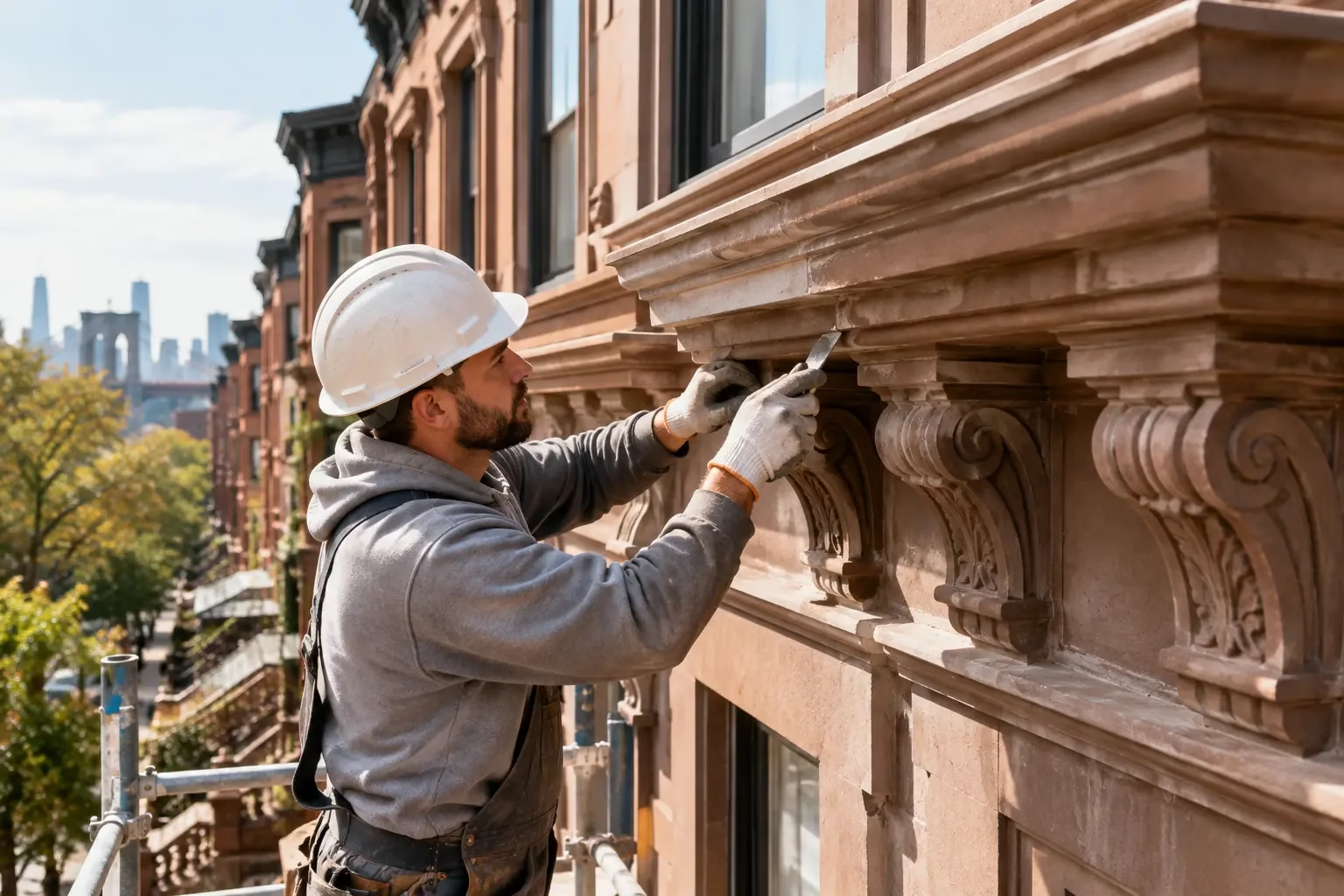
A damaged cornice is not just a cosmetic problem at the top of a building. On a Brooklyn brownstone, townhouse, multifamily property, or older commercial facade, loose metal, cracked masonry, rotted wood, and failed flashing can allow water into the wall and create a serious street-level safety risk. Professional cornice restoration addresses the visible damage while correcting the conditions that caused it.
For NYC property owners, timing matters. A small split at a cornice seam or a stain below the roofline can become a larger masonry, roofing, or interior water-damage repair after one hard winter. The right approach is careful inspection, clear scope planning, safe access, and repairs that respect the original shape of the building.
When Your Building Needs Cornice Restoration
Cornices take constant abuse from rain, snow, wind, temperature swings, and years of past repairs. Older brownstones often have decorative sheet-metal cornices, while other buildings may use brick, limestone, terracotta, wood, or cast stone details. Each material fails differently, but the warning signs are usually easy to see once you know where to look.
Look for cracked or missing decorative sections, rust streaks, peeling paint, open joints, sagging metal, loose brackets, crumbling mortar, or staining on the facade below. Water marks on top-floor ceilings can also point to failed flashing or a leak where the cornice meets the roof. If pieces are falling or appear unstable, keep people away from the area and arrange a professional assessment promptly.
Do not assume that repainting will solve the issue. Paint can improve appearance, but it will not stop moisture behind rusted sheet metal, replace deteriorated substrate, or stabilize weakened masonry. Lasting work starts by finding the source of water entry and assessing whether the existing cornice can be repaired or requires partial replacement.
Best Budget Construction in Brooklyn & NYC
Cornice work calls for more than a painter or a roofer working alone. The repair often connects to roofing, flashing, parapet walls, brick pointing, stucco, and facade waterproofing. Hiring one contractor that can evaluate those connected conditions helps avoid a patch that looks good for a season but fails because the roof edge or masonry joint was left untreated.
Best Budget Construction provides practical exterior repair and restoration for property owners who need clear answers and a workable scope. We serve brownstone-heavy neighborhoods such as Park Slope, Brooklyn Heights, Cobble Hill, Bed-Stuy, Carroll Gardens, and Williamsburg, as well as properties throughout NYC. Our team considers the condition of the complete roofline, not only the damaged area in plain sight.
A site review should identify loose material, active leaks, corrosion, failed caulking, mortar deterioration, structural movement, and unsafe details. From there, the repair plan can be built around the actual condition of the building and the owner’s budget. Some cornices need targeted repairs; others need a larger restoration to prevent repeated service calls.
Repair, Replication, or Replacement?
The best option depends on the amount of sound material that remains. A metal cornice with isolated rust holes and intact framing may be cleaned, treated, patched with compatible metal, sealed, and repainted. When sections are badly corroded or the profile has been lost, fabricating replacement pieces may be the more reliable choice.
Masonry cornices may need deteriorated units removed and replaced, mortar joints repointed, cracks repaired, and adjacent brickwork stabilized. Historic properties require extra care because the original proportions and decorative details matter. A replacement that is functional but poorly matched can hurt the building’s appearance and may create issues on a landmarked facade.
Full replacement is not automatically the better value. It can be more expensive upfront, particularly when custom fabrication and access equipment are required. But repeated patching on a severely damaged system can cost more over time and leave the property exposed to continuing leaks. A good contractor will explain the trade-off in plain language before work begins.
A Proper Cornice Restoration Process
Safe cornice restoration begins with access planning. Depending on height, sidewalk conditions, and the extent of repair, the project may require scaffolding, pipe scaffold, a lift, or other approved access methods. Protecting pedestrians, neighboring properties, windows, landscaping, and the work area is part of the job, not an afterthought.
Next comes removal of loose, unsound, or water-damaged material. This may include failed caulk, rusted metal, rotted wood, fractured masonry, or deteriorated flashing. The crew then repairs the substrate and structural support as needed before installing new materials. Covering damage without correcting the backing can trap water and shorten the life of the repair.
For sheet-metal cornices, repaired or fabricated sections are fitted to match existing profiles as closely as possible. Seams are properly sealed, transitions at the roofline are addressed, and corrosion protection is applied before finish painting. For masonry and stone details, compatible repair materials and sound joint work are essential. The goal is a stable, weather-resistant assembly that belongs on the building rather than an obvious temporary patch.
The final stage includes coating or painting where appropriate, cleanup, and a close review of the completed edge details. On many buildings, it is also smart to inspect gutters, leaders, parapets, and roof drainage while access is in place. Water that is not being directed away from the roofline will continue to threaten the new work.
License & Insurance credentials for all services
Exterior restoration has real safety and liability considerations. Work takes place above sidewalks, near neighboring properties, and around aging materials that can fail without warning. Property owners should ask who will perform the work, how access will be handled, whether insurance documentation is current, and what is included in the written scope.
Best Budget Construction brings License & Insurance credentials for all services, along with a practical, hands-on approach to project planning. Clear estimates help owners compare repair options without guessing what is included. If cornice damage has affected roofing, brick pointing, waterproofing, or exterior painting, coordinating those services under one team can reduce delays and eliminate finger-pointing between multiple contractors.
For landlords and property managers, documentation and scheduling also matter. A well-planned project helps reduce disruptions for tenants and supports timely maintenance before a minor defect becomes an emergency repair. The most affordable repair is often the one completed before water reaches the interior or a loose piece becomes a public safety issue.
100% OSHA guidelines compliant
Safety must remain central from inspection through cleanup. Cornice work involves elevation, falling-material hazards, tools, dust, and public exposure. Proper site protection, trained crews, secure access, and organized debris removal protect workers, residents, and pedestrians.
Our work is 100% OSHA guidelines compliant, with safety practices matched to the scope and conditions of the project. That discipline matters on narrow Brooklyn streets, active sidewalks, and attached row houses where there is little room for careless work. It also supports cleaner execution and better control of the restoration process.
Protect the Repair After the Work Is Done
A restored cornice will last longer when the rest of the roofline is maintained. Keep roof drains and gutters clear, address roof leaks quickly, repaint metal on an appropriate maintenance schedule, and inspect joints after severe weather. Watch for renewed staining, bubbling paint, or cracks around the repaired section. These are early warnings, not details to ignore.
If your building has a failing cornice, do not wait for a loose section or top-floor leak to force the decision. Get a clear assessment, understand whether repair or replacement makes sense, and move forward with work designed for NYC weather and older building conditions. Free Estimate Call (917) 674-9488 to discuss your property and get a practical restoration plan.
