

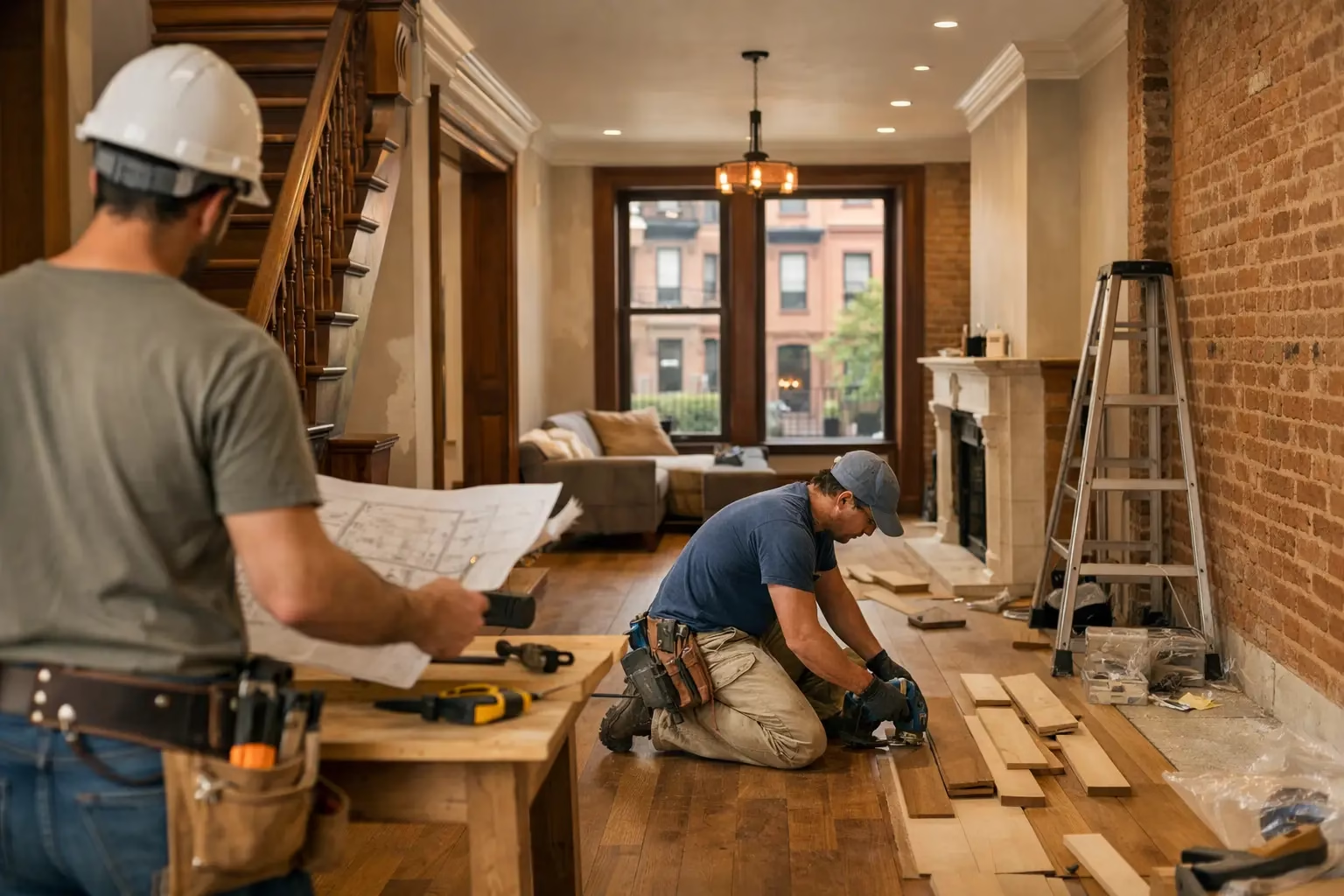
A brownstone can fool you at first glance. The parlor floor still has charm, the stoop still makes an impression, and the original trim may look worth saving. Then the real work starts. If you are figuring out how to renovate a brownstone, you need more than design ideas. You need a plan that respects the age of the building, protects the structure, and keeps costs from getting out of control.
In Brooklyn neighborhoods like Park Slope, Brooklyn Heights, Bed-Stuy, and Carroll Gardens, brownstones often need a mix of restoration, repair, and modern upgrades at the same time. That is what makes these projects different from a standard house remodel. You are not just changing finishes. You are dealing with old masonry, hidden water damage, outdated systems, uneven floors, and sometimes landmark or permit requirements that can affect both budget and timeline.
Start with the building, not the finishes
The biggest mistake owners make is choosing tile, cabinets, and paint before they know what shape the building is in. A brownstone renovation should always begin with the parts that protect the property and affect safety. That means the roof, facade, cornice, masonry joints, waterproofing, structural framing, stairs, and foundation conditions need to be looked at first.
A beautiful kitchen will not matter much if water is getting in through cracked parapets or failed pointing. The same goes for a new bathroom in a house with old plumbing stacks, poor drainage, or hidden moisture behind the walls. In a brownstone, cosmetic work should follow structural and envelope work, not the other way around.
This first phase usually includes a full walkthrough with a contractor who knows older NYC buildings. You want someone who can spot settlement cracks, sagging joists, facade deterioration, and signs of long-term leaks. Brownstones have character, but they also have layers of old repairs. Some were done properly. Some were not.
How to renovate a brownstone without wasting money
The smartest way to control cost is to separate needs from wants early. Every brownstone owner has a wish list. The problem is that old buildings tend to reveal hidden conditions once work begins. If your full budget is already committed to finishes, you leave no room for necessary repairs.
A practical budget usually has three parts. First is the must-do work, like roofing, waterproofing, structural reinforcement, electrical updates, plumbing replacement, and exterior repairs. Second is the functional renovation work, such as kitchens, bathrooms, flooring, plaster repair, painting, and layout improvements. Third is the appearance-driven work, like custom millwork, premium stone, specialty fixtures, or decorative restoration.
That order matters. If the facade is shedding material, if the sidewalk is unsafe, or if the basement has active moisture, those issues come before luxury upgrades. The right contractor will tell you that plainly. A no-nonsense renovation plan is usually the one that protects your property value best.
Expect old-house surprises
Brownstones rarely open up cleanly. Once walls and ceilings come down, you may find outdated wiring, patched plumbing, rot around windows, cracked lintels, or framing that has been altered over the years. This is normal in older NYC housing stock. It is also one of the main reasons brownstone work needs experienced hands.
That does not mean every project turns into a major reconstruction. It means the renovation should be scoped honestly from the beginning. A contractor who has worked on these homes before will build in realistic allowances, explain where surprises are most likely, and keep the work moving instead of reacting to every issue like it is unusual.
If you are renovating a rental brownstone or multifamily property, this matters even more. Delays affect income. Half-finished work affects tenants. A contractor who can handle interior renovation, facade work, masonry, waterproofing, painting, and repair under one roof can save you from coordinating five different trades on a tight urban site.
Interior upgrades should match the building
A good brownstone renovation updates the way the house lives without stripping out everything that gives it identity. That balance is different on every project. Some owners want to preserve original moldings, medallions, stair details, and wood floors. Others want a cleaner, more modern interior with selective restoration. Both approaches can work.
The key is consistency. If you keep original details, they should be repaired properly, not surrounded by rushed patchwork. If you modernize, the new work should still make sense with the proportions and layout of the house. Brownstones tend to have tall ceilings, narrow widths, and strong vertical circulation. Design choices that work in a suburban open-plan home do not always translate well here.
Kitchen and bathroom renovations are often the biggest interior upgrades, and they are usually worth it. But they should be tied to system upgrades when needed. If supply lines, drains, vents, or electrical panels are outdated, it is more cost-effective to address them while the walls are open. The same goes for insulation, plaster repair, and repainting.
Do not ignore the exterior shell
When people ask how to renovate a brownstone, they often picture interiors first. In reality, the exterior shell is one of the most important parts of the project. Brownstone facades, brick side walls, stoops, cornices, lintels, and parapets take constant exposure from weather, pollution, and freeze-thaw cycles. Once they start failing, the damage can spread inward.
Facade restoration may involve patching and refinishing damaged brownstone surfaces, replacing loose material, repointing brick joints, repairing cracks, and correcting areas that were previously coated or patched the wrong way. Roofing and waterproofing also play a major role. If the roof membrane, flashing, coping, or drainage is failing, water will find a path into the building.
This is why exterior work should not be treated as separate from the renovation. A brownstone is a system. The roof, masonry, windows, and interior walls all affect one another. Taking care of the shell first helps protect every dollar spent inside.
Permits, compliance, and neighborhood realities
In NYC, renovation planning is never just about construction. Brownstones may come with permitting requirements, DOB filings, landmark considerations, sidewalk rules, and neighbor concerns. Even when the work is straightforward, logistics are not. Limited access, tight streets, staging restrictions, and occupied buildings can all affect production.
This is one reason licensed and insured contractors matter so much. You want a company that understands city requirements, jobsite safety, and how to keep work organized in dense neighborhoods. OSHA compliance, proper insurance, and clean scheduling are not extras. They are part of getting the job done without unnecessary problems.
For owners in neighborhoods with older row houses, matching materials and methods can also be important. An exterior repair that looks cheap or out of place can hurt curb appeal fast. Good workmanship shows up in the details, especially on visible masonry and facade work.
Choosing the right contractor for a brownstone renovation
Brownstone work is not the place to hire based on the lowest number alone. A cheap estimate can get expensive quickly if it leaves out structural repair, waterproofing, prep work, debris handling, or code-related upgrades. What you want is clear scope, realistic pricing, and a contractor who can explain how the work will unfold.
Ask direct questions. Has the contractor worked on brownstones before? Can they handle both interior and exterior scopes? Are they licensed and insured? Who is managing the schedule? How are change orders handled? What conditions could affect price after demolition begins?
The strongest renovation partners do not sell fantasy timelines or suspiciously low budgets. They give you a practical roadmap, spell out priorities, and help you phase the work if needed. For many owners, that phased approach is the right move. You might handle facade restoration, roofing, and waterproofing first, then move into kitchens, bathrooms, painting, and finish work once the building is protected.
Best Budget Construction works with the kind of owners who need that practical approach – people who want quality work, honest pricing, and one dependable team that can handle renovation, repair, and restoration together.
A brownstone renovation is a building decision, not just a design decision
The best brownstone projects look good because they were built on sound decisions. They start with the condition of the structure, follow a realistic budget, and use materials and methods that make sense for an older NYC property. That is how you avoid redoing work, chasing leaks, or paying twice for the same area.
If you are planning your project, think like an owner first and a decorator second. Protect the shell, fix what is failing, update the systems, and then make it beautiful. A brownstone can reward that kind of discipline for years.
