

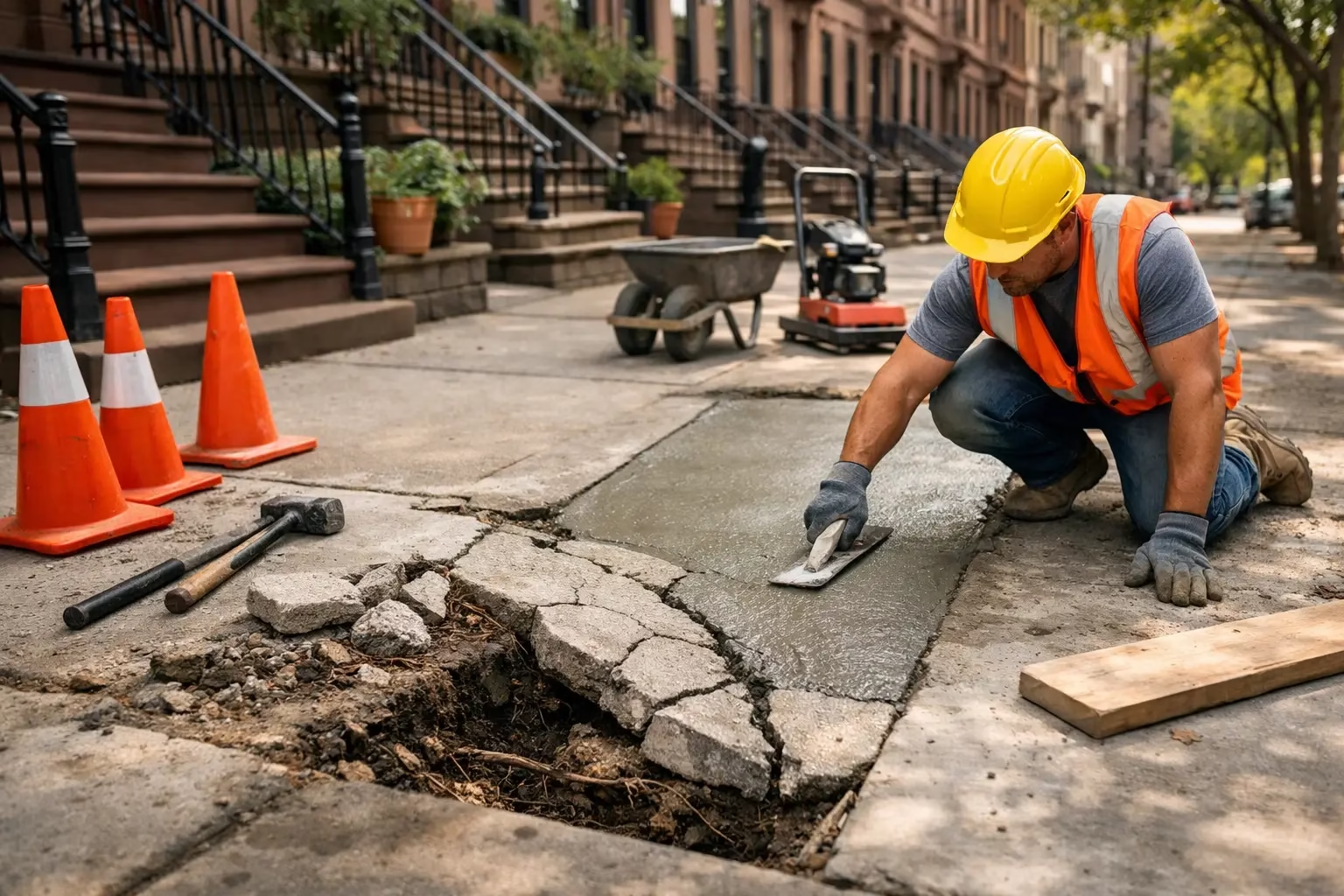
A sidewalk usually gets ignored until someone trips, a city notice shows up, or water starts working its way into places it should not. If you are asking when do you need sidewalk repair, the short answer is this: you need it as soon as the surface becomes unsafe, starts breaking down, or shows signs that a small issue is turning into a bigger and more expensive one.
In New York City, that decision is not just about appearance. Sidewalk damage can create liability for property owners, lead to DOT violations, and make a building look neglected even when the rest of the property is well maintained. For homeowners, landlords, and commercial property owners, timing matters. Waiting too long can turn a straightforward concrete repair into a larger replacement job.
When do you need sidewalk repair in NYC?
You need sidewalk repair when the pavement is cracked, lifted, sunken, loose, or no longer drains properly. In practical terms, that means the sidewalk is no longer doing its job safely. A sound sidewalk should provide a stable, even walking surface and hold up against foot traffic, weather, and daily urban wear.
In Brooklyn brownstone blocks, mixed-use streets, and older residential neighborhoods, sidewalks take a beating. Tree roots push slabs upward. Water gets into joints and weakens the base. Heavy use, age, and freeze-thaw cycles open the door to settlement and cracking. Sometimes the damage happens slowly. Sometimes one bad winter makes the problem obvious.
The key is not to wait until the sidewalk is failing completely. Early repairs are usually less disruptive and more affordable than full reconstruction.
The most common signs your sidewalk needs repair
A hairline crack by itself is not always an emergency. Concrete naturally develops minor surface marks over time. The issue is whether the damage is stable or getting worse. If cracks widen, spread across multiple sections, or create uneven edges, repair becomes more urgent.
Trip hazards are one of the clearest warning signs. If one slab sits higher than the next, if a corner has broken away, or if the surface has settled enough to catch a shoe, the sidewalk needs attention. In a busy city, that is not something to put off.
Spalling is another problem property owners often overlook. That is when the top layer of concrete flakes, chips, or peels away. At first it can look cosmetic, but it often signals moisture damage, poor drainage, aging concrete, or salt-related deterioration. Once the surface starts breaking down, the sidewalk usually keeps deteriorating.
Pooling water matters too. If rainwater sits on the sidewalk instead of draining off, it can weaken the slab and the base beneath it. In winter, that same water can freeze, expand, and cause more cracking or heaving. Poor drainage also creates slip risks and can contribute to water issues near the building line.
You should also pay attention to patches that are crumbling, loose, or visibly repaired multiple times. Repeated patching can be a sign the underlying base has failed. In that case, another quick fix may not hold for long.
Damage that looks minor but should not be ignored
Some sidewalk problems do not look dramatic from the street, but they still deserve a professional look. One example is slight settlement near the curb or building edge. Even a subtle dip can indicate base erosion, poor compaction, or drainage issues below the surface.
Another common issue in NYC is root pressure from street trees. You may first notice a gentle rise or a narrow crack running out from a tree pit. That can quickly become a raised slab or broken panel. The sidewalk may still seem walkable today, but once movement starts, it rarely corrects itself.
Discoloration can also tell a story. Dark areas that stay wet, white residue from moisture movement, or rusty staining near exposed metal can point to water intrusion or embedded materials beginning to fail. Not every stain means repair is urgent, but stains paired with cracking or surface loss usually mean the concrete is under stress.
When repair is enough and when replacement makes more sense
This is where experience matters. Not every damaged sidewalk needs full replacement, and not every crack can be patched the right way. The right solution depends on the type of damage, how deep it goes, what caused it, and whether the surrounding concrete is still sound.
Repair may be enough if the damage is limited to one area, the slab remains structurally stable, and the problem has not spread into multiple sections. Localized crack repair, leveling, or partial concrete work can be a smart option when caught early.
Replacement makes more sense when the slab is badly uneven, the concrete is crumbling throughout, the base has shifted, or prior repairs have already failed. If several flags are damaged, replacing affected sections often gives better long-term value than repeated patching. It can cost more upfront, but it usually avoids the cycle of temporary fixes and return visits.
For NYC properties, there is also a compliance issue. If the sidewalk condition could trigger or worsen a violation, a proper permanent repair is the better move.
Safety, liability, and city violations
For many property owners, the real answer to when do you need sidewalk repair is when the sidewalk creates risk. If a pedestrian could reasonably trip, slip, or fall, the repair is already overdue.
That risk is not theoretical. In front of apartment buildings, brownstones, mixed-use properties, retail storefronts, and corner lots, foot traffic is constant. Uneven concrete, broken edges, and sunken slabs create exposure for owners and managers. What looks like a small defect to you may be enough to injure someone.
Then there is the city side of it. In NYC, sidewalk conditions can lead to notices and violations, especially when defects are visible and measurable. Once that happens, timing gets tighter and the job becomes more about compliance as well as safety. Acting early gives you more control over the schedule, scope, and cost.
Why sidewalks fail faster in older NYC neighborhoods
Older neighborhoods have character, but they also come with aging infrastructure and long-term wear. In areas with older masonry homes, brownstones, and mixed-era construction, sidewalks often sit over soils and utility conditions that have shifted for decades.
Tree roots are a major factor, especially on residential blocks. So are old repairs done at different times with different materials. Add freeze-thaw cycles, heavy rains, deicing salts, and utility work, and even a decent-looking sidewalk can start failing underneath.
That is why a sidewalk should be looked at as part of the whole exterior condition of the property. Drainage, nearby masonry, curb condition, waterproofing concerns, and site grading can all affect how long the concrete lasts.
What to do if you notice a problem
Start by looking at whether the issue is isolated or spreading. One cracked corner is different from multiple uneven slabs, recurring standing water, or an entire path that feels worn out. Take photos, note whether the area changes after rain or winter weather, and do not assume the problem will stay the same.
Next, get the sidewalk evaluated by a licensed and insured contractor who understands NYC conditions. A proper assessment should identify not just what is broken, but why. That matters because a clean-looking patch on top of a failing base does not solve much.
If you own a residential or commercial property in Brooklyn or elsewhere in the city, it makes sense to handle sidewalk issues before they turn into emergency work. Companies like Best Budget Construction are often called in after a notice arrives, but the better time to act is before the damage reaches that point.
When do you need sidewalk repair right away?
Some conditions should move to the top of your list. If the sidewalk has raised sections, open breaks, loose concrete, deep spalling, or obvious trip hazards, do not wait. The same goes for water pooling near entrances, damage near a tree pit that is getting worse, or any area that has already been patched and failed again.
Immediate attention is also smart if you are preparing to lease, sell, refinance, or improve the property. Sidewalk condition affects curb appeal, first impressions, and how well maintained the building appears overall. For landlords and commercial owners, it also affects how tenants and customers experience the property every day.
A sidewalk does not have to be completely destroyed to need repair. Most of the time, the right time is earlier than owners think. If the surface is unsafe, deteriorating, or starting to shift, the repair window is open. Taking care of it early usually costs less, creates fewer headaches, and helps protect the value of the property along with the people walking past it.
