

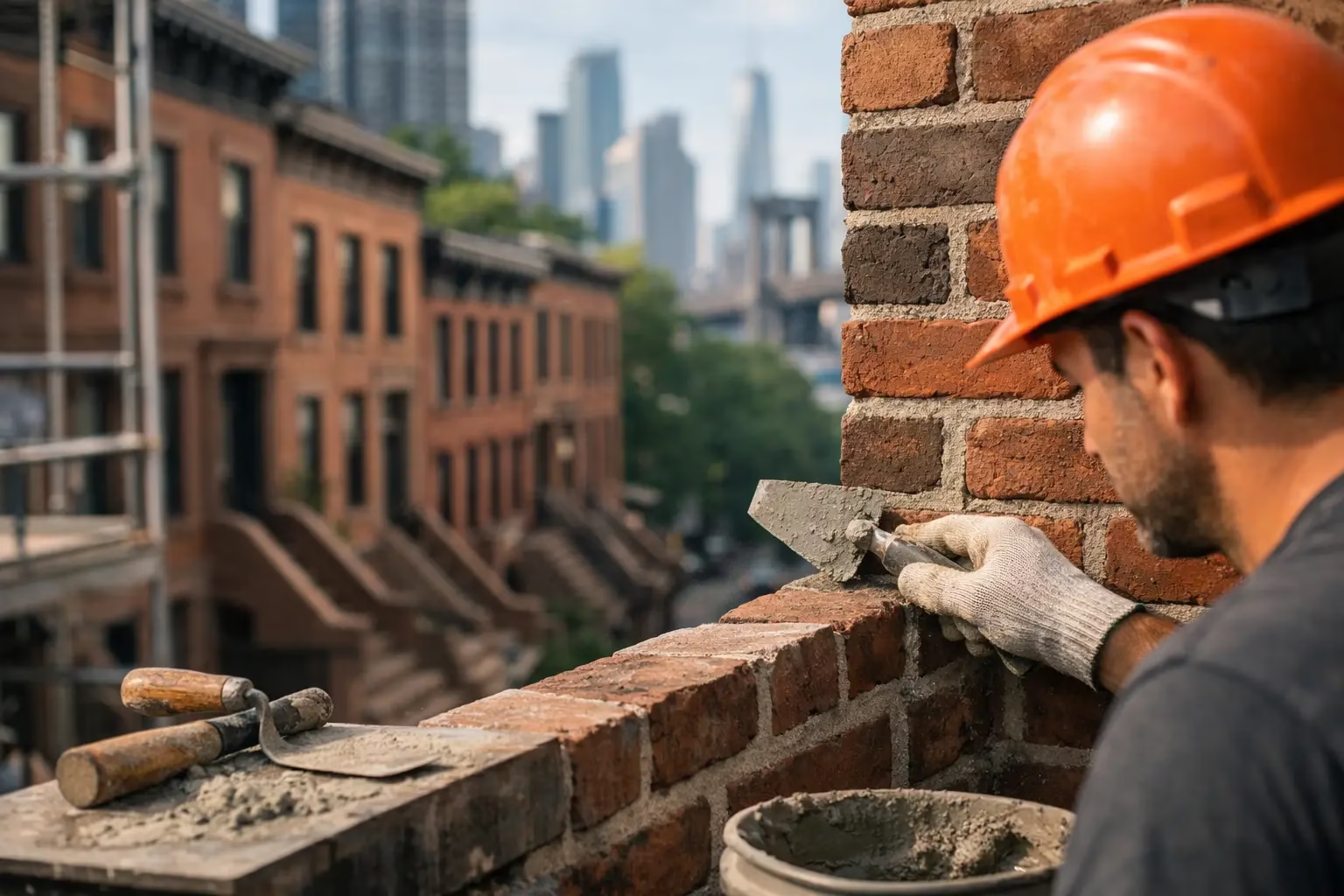
If you own a brownstone, mixed-use building, or older brick home in New York City, bad mortar usually shows up before major wall failure does. You might notice hairline gaps, sandy joints on the sidewalk, moisture near windows, or loose sections along the facade. That is when brick pointing cost per square foot becomes a real budgeting question, not just a search term.
In NYC, pointing is not priced with a one-size-fits-all number. The wall height, mortar condition, access, brick type, and how much of the facade needs repair all affect the total. For property owners trying to plan work the right way, the smartest approach is to understand what drives cost before comparing estimates.
What brick pointing cost per square foot usually includes
At the most basic level, pointing means removing deteriorated mortar and replacing it with new mortar that matches the building and bonds properly with the existing masonry. On a professional job, that usually includes grinding or hand-raking out failed joints, cleaning dust and debris, preparing mortar, repointing the joints, tooling for a proper finish, and cleanup.
In many NYC buildings, especially older brownstones and prewar brick properties, the work may also involve localized brick replacement, crack repair, waterproofing coordination, scaffold setup, or careful mortar color matching. That is why two buildings with the same square footage can have very different prices.
For many projects, contractors discuss pricing by facade section, elevation, or repair scope, but owners still want to understand the brick pointing cost per square foot because it gives them a way to compare estimates more clearly.
Average brick pointing cost per square foot in NYC
A common starting range for brick pointing in NYC is about $8 to $25 per square foot, but that is a broad range for a reason. Light, accessible repointing on a lower wall may fall closer to the low end. Full facade restoration on an aging building with difficult access, custom mortar matching, and deeper deterioration can move well above it.
If the work requires scaffolding, suspended access, sidewalk shed protection, or detailed restoration methods for older masonry, the cost can rise fast. In neighborhoods with attached brownstones and narrow working conditions, labor often makes up the biggest share of the price.
For small repair areas, the square foot number may look higher because mobilization, setup, and labor minimums still apply. For larger facades, the per-square-foot rate may become more reasonable, but only if the wall condition is fairly consistent.
Why pointing costs vary so much
The biggest factor is not just how much wall you have. It is how much of that wall is actually failing and how hard it is to repair correctly.
Depth of mortar deterioration
If mortar is only weathered on the surface, the repair is more straightforward. If joints are loose deep inside, or if water has been entering for years, the crew may need to remove more material and take extra care to avoid damaging adjacent brick. Deeper deterioration means more labor, slower production, and more material use.
Brick condition
Pointing alone is one price. Pointing plus brick replacement is another. When bricks are spalling, cracked, or softened from moisture, they often need to be removed and replaced before the new mortar goes in. If you skip that step, the wall may still fail even with fresh joints.
Access and safety setup
A first-floor garden wall is one thing. A four-story street-facing facade in Brooklyn Heights or Park Slope is another. Scaffolding, pipe staging, sidewalk protection, OSHA-compliant access, and staging permits can add meaningful cost. In NYC, access is often the part owners underestimate.
Mortar matching and building age
Older buildings need the right mortar mix. If the new mortar is too hard, it can damage the brick over time. Historic and prewar properties often require a more careful approach to color, texture, and compressive strength. That attention protects the facade, but it also affects pricing.
Amount of wall being pointed
Spot pointing a few failed sections can be cost-effective when caught early. But if large parts of the facade are failing, partial work may only delay a bigger project. On some buildings, full repointing is the better value because it addresses the wall as a system instead of patching one problem area after another.
Partial pointing vs full facade pointing
This is where many owners save or lose money.
Partial pointing works well when deterioration is isolated around window heads, parapets, lintels, or a few exposed facade sections. If the rest of the wall is sound, targeted repair may be enough. This keeps the project smaller and avoids unnecessary labor.
Full facade pointing makes more sense when mortar failure is widespread, moisture is entering in multiple places, or previous repairs were done inconsistently. In that case, patching only the visible areas can turn into repeat service calls, recurring leaks, and a facade that still looks uneven.
A good contractor should tell you which condition you actually have, not automatically push the biggest scope.
What property owners should watch for in estimates
The lowest number is not always the lowest real price. With masonry work, vague estimates often lead to change orders, shortcuts, or unfinished details.
A solid proposal should explain what percentage of the wall is being pointed, how joints will be cut out, whether damaged bricks are included, what access equipment is needed, and whether cleanup and protection are part of the price. It should also clarify if the work covers only mortar joints or additional facade repairs.
If one estimate looks much cheaper than the others, ask what is missing. In NYC, underpriced pointing jobs often leave out scaffold costs, brick replacement, or proper joint depth. That can create more expense later when the repair fails early.
When cheap pointing becomes expensive
Bad pointing can trap moisture, stain the facade, crack away from the brick, or speed up brick deterioration. This is especially true on older buildings where the mortar mix needs to be compatible with the original masonry.
Cheap work also tends to move too fast. Joints may be cut shallow, packed unevenly, or finished without proper curing. From the sidewalk, it can look fine at first. A year or two later, water gets back in and the wall starts shedding mortar again.
That is why licensed, insured masonry work matters. You are not just paying for mortar. You are paying for the judgment to repair the wall correctly, safely, and in a way that holds up under NYC weather.
How to budget for brick pointing the smart way
If you are planning facade work, start with condition, not guesswork. Have the wall inspected before the problem spreads. Early repointing is almost always cheaper than waiting until brick replacement, interior leak damage, or larger restoration becomes necessary.
It also helps to think in phases when needed. Some owners handle the most exposed elevation first, then return to side or rear walls later. Others combine pointing with waterproofing, parapet work, stucco repair, or facade restoration to reduce duplicate setup costs.
For landlords and property managers, timing matters too. If scaffold access is already going up for roof, cornice, or exterior repair work, that may be the right time to address masonry joints as well. Combining exterior scopes can make the total project more efficient.
Is brick pointing worth it?
Yes, if the mortar is failing. Pointing is one of the most practical ways to protect a brick building before structural and water problems grow. It helps preserve the facade, improve appearance, reduce moisture intrusion, and extend the life of the wall system.
It is especially worth doing on older NYC properties where neglected mortar often leads to interior leaks, loose masonry, and more expensive repairs. A well-executed pointing job is not cosmetic only. It is preventive maintenance with visible structural value.
Choosing the right contractor for the job
Pointing is not a general handyman task. It requires masonry experience, proper access planning, safe execution, and a clear understanding of how older brick buildings behave. That is particularly true in dense neighborhoods where facades are aging, access is tight, and the wrong repair method can create bigger problems.
When comparing contractors, look for licensing, insurance, clear scope writing, and real experience with urban brick facades. If your building is in Brooklyn, especially in brownstone-heavy areas, local experience matters because these properties often need a more careful touch than newer suburban masonry.
At Best Budget Construction, this is the kind of work that starts with a straight answer. Some buildings need spot repairs. Some need full repointing. Some need brick replacement and waterproofing at the same time. The right estimate should reflect the actual condition of the facade, not a generic number.
If you are seeing cracking mortar, loose joints, or early signs of water penetration, now is the time to price the work honestly. The helpful move is not chasing the cheapest square foot rate. It is fixing the wall before a manageable repair turns into a much larger project.
