

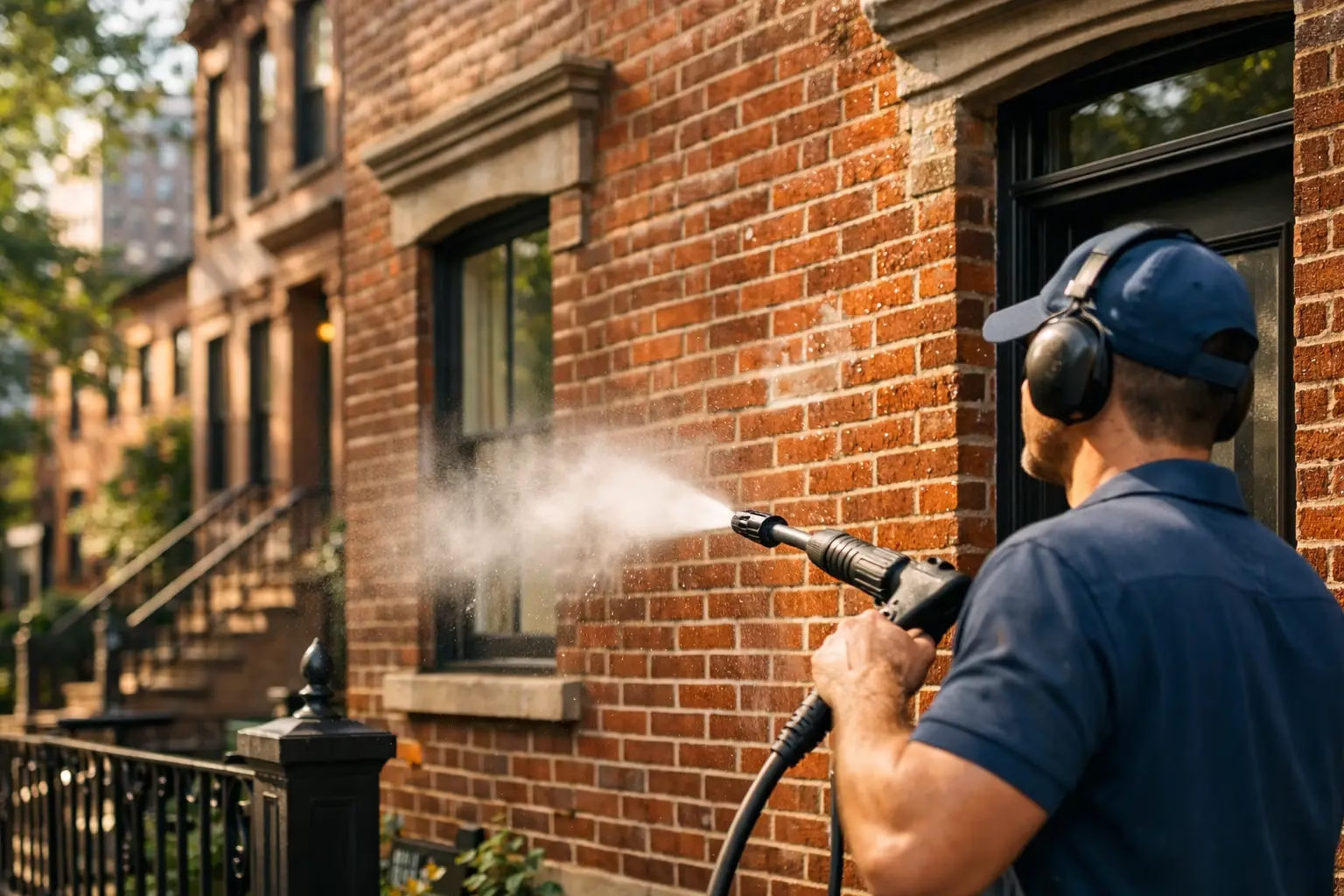
A brick exterior can look strong for decades and still hide a lot of wear. Dirt, soot, mildew, traffic film, and old stains build up slowly, especially in New York City where masonry takes a beating from weather, pollution, and street-level grime. That is why power washing brick house surfaces sounds simple, but the wrong approach can scar the face of the brick, loosen mortar, and push water where it does not belong.
For brownstones, townhomes, mixed-use properties, and older masonry buildings, cleaning has to be handled with the same care as repair work. A cleaner facade matters, but protecting the wall matters more. If you own or manage a brick property in Brooklyn or anywhere in NYC, the real question is not just whether to wash it. It is how to wash it without creating a bigger masonry problem.
When power washing a brick house makes sense
Brick collects more than dust. In city neighborhoods, exterior walls hold onto soot, algae, mildew, pollen, rust runoff, paint residue, and years of surface grime. On shaded walls or areas near roof leaks and bad drainage, you may also see dark streaks or green growth that makes the building look neglected.
In those cases, cleaning can improve curb appeal, brighten the color of the brick, and make it easier to spot actual repair needs. Sometimes a wall looks like it needs replacement when it really needs a proper wash and repointing in a few isolated areas. Cleaning can also be part of regular building maintenance before painting trim, repairing joints, or restoring a facade.
But there is a difference between surface dirt and embedded damage. If the brick is already flaking, cracking, or spalling, aggressive washing is not the first move. The wall needs inspection before any cleaning starts.
Why power washing brick house walls can go wrong
Brick is durable, but older brick is not the same as modern concrete block. Many NYC homes, especially in brownstone-heavy neighborhoods like Park Slope, Brooklyn Heights, and Bed-Stuy, have aging masonry that needs a lighter hand. High pressure can strip the fired outer face of the brick, which is the layer that helps protect it from moisture.
Once that face is damaged, the brick becomes more absorbent. Water gets in easier. Freeze-thaw cycles do the rest. You may not notice the damage right away, but over time the brick starts to deteriorate faster.
Mortar joints are another weak point. If the pointing is soft, missing, or already cracked, a pressure washer can blow it out. That creates gaps for water intrusion and can turn a cleaning job into a masonry repair project. Around windows, parapets, sills, and patched areas, pressure washing can also force water behind the facade.
This is where experience matters. A contractor who works on masonry, waterproofing, brick pointing, and facade restoration sees the full picture. Cleaning should never be treated like a separate cosmetic service with no concern for the wall assembly behind it.
The safe approach to cleaning brick
The safest method is usually low-pressure washing combined with the right cleaning solution and proper rinse technique. In many cases, the chemical treatment does most of the work, not brute force. That matters because brick responds better to a controlled cleaning process than to maximum pressure.
A good contractor starts by identifying the brick condition, the age of the facade, the type of staining, and the condition of the mortar joints. Not every wall should be cleaned the same way. Mildew, atmospheric staining, paint splatter, and mineral deposits each need a different approach.
Testing a small area first is standard practice. It shows how the brick reacts, whether the stain is actually removable, and what pressure range is safe. On fragile brick, hand-cleaning or very low-pressure soft washing may be the better option. If there are open joints or signs of water entry, repairs may need to come before washing.
Signs your brick house should be inspected before washing
Some buildings are not ready for cleaning yet. If you see white chalky residue, crumbling mortar, cracked brick faces, bulging sections, or interior moisture issues, stop there and get the wall checked. Those are signs that the problem may be deeper than dirt.
Efflorescence, for example, is not just a stain sitting on the surface. It is a moisture signal. Water moves through the masonry, carries salts, and leaves a white deposit as it evaporates. If you wash that off without fixing the source, it often comes back. The same goes for mold or algae caused by bad drainage, leaking gutters, or failed flashing.
Painted brick also needs special caution. Power washing can peel loose coatings unevenly and expose hidden moisture damage underneath. Once paint starts failing, the solution may involve scraping, repairs, breathable coatings, or restoration work rather than a basic wash.
What homeowners and property managers should expect
If you hire out this work, expect more than a truck and a spray wand. A professional should evaluate the facade first, explain what type of cleaning is appropriate, and tell you plainly if parts of the wall are too damaged for standard power washing.
Preparation matters. Windows, doors, plants, adjacent surfaces, and pedestrian areas need protection. In dense city properties, runoff control is also part of doing the job right. On mixed-material facades, brick may sit next to brownstone, stucco, limestone, metal, or painted trim. Each surface has to be treated differently.
The goal is a cleaner building, not a brand-new fake look. Some staining will lighten rather than disappear completely, especially on older facades with years of weathering. Honest expectations are part of quality work. If someone promises to blast decades off a historic brick wall with no risk, that is usually a red flag.
Power washing brick house exteriors in NYC comes with extra factors
New York properties are rarely simple. You may be dealing with narrow access, neighboring buildings, scaffolding requirements, sidewalk traffic, landmark considerations, and older wall systems that have been patched many times over the years. A row house in Carroll Gardens or a brownstone in Clinton Hill may look solid from the street but still have fragile mortar and moisture issues around the lintels, cornice line, or parapet.
That is why local experience counts. A contractor used to suburban vinyl siding may not approach an urban masonry facade the right way. Brick cleaning in NYC often overlaps with facade maintenance, waterproofing, and repair planning. If cleaning exposes failed joints, rust stains, or loose material, you want a crew that can handle the next step instead of leaving you to find another specialist.
How often should brick be washed?
There is no single schedule that fits every property. Some buildings need cleaning every few years because of tree cover, traffic exposure, restaurant exhaust, or constant shade. Others can go much longer and still look fine.
More important than frequency is condition. If the wall is visibly dirty, growing mildew, or holding stains that make the property look neglected, it may be time. If the masonry is already compromised, cleaning should wait until repairs are done. Over-cleaning is also a mistake. Brick does not need to be washed just because the machine is available.
Choosing the right contractor for the job
For this kind of work, cheap can get expensive fast. The right contractor should be licensed, insured, and comfortable working on older masonry. They should understand pressure settings, cleaning agents, joint conditions, and water management, and they should be able to tell the difference between a wall that needs washing and one that needs restoration.
That practical, no-nonsense approach is what property owners usually need most. Best Budget Construction handles brick cleaning with the same field-tested mindset used for facade repair, pointing, waterproofing, and brownstone restoration. That means looking at the condition first, protecting the structure, and recommending only the work that makes sense.
If your brick exterior is stained, darkened, or just looking tired, a careful inspection is the right place to start. A good cleaning can bring back the look of the building. A smart one protects the brick while it does it. When you treat masonry like masonry instead of like siding, the results last longer and the repairs stay smaller.
A clean facade should never cost you the face of the brick. If you are thinking about washing your exterior, make sure the method fits the building, not just the stain.
