

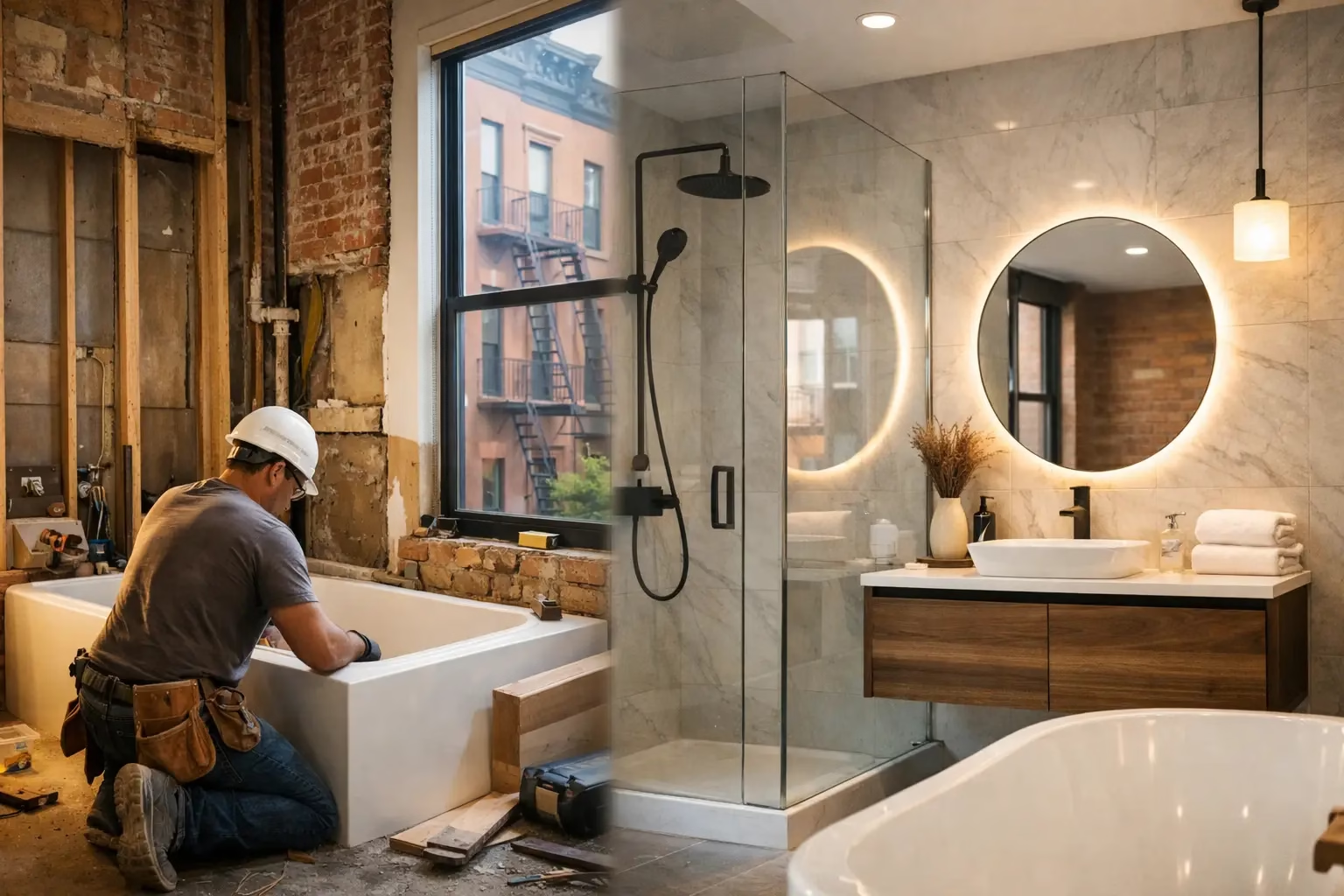
A lot of bathroom projects start with the wrong word, and that usually leads to the wrong budget. When people ask about a bathroom remodel vs renovation, they are often talking about two different levels of work without realizing it. That matters in New York City, where older plumbing, tight layouts, co-op rules, and hidden conditions can change the job fast.
If you own a brownstone, condo, rental unit, or mixed-use property, the difference is not just semantics. It affects cost, timeline, permits, materials, and how much disruption you should expect. Before you hire a contractor or request estimates, it helps to know what each term usually means in real construction work.
Bathroom remodel vs renovation: what is the difference?
In plain terms, a bathroom renovation usually means restoring or updating what is already there. A remodel usually means changing the space itself.
A renovation keeps the basic layout and function in place. You might replace tile, swap out a vanity, install a new toilet, upgrade lighting, or refinish walls and ceilings. The room gets refreshed, improved, and brought up to date, but it is still fundamentally the same bathroom.
A remodel goes further. It often includes moving plumbing lines, changing the shower or tub location, reworking walls, improving storage, altering the footprint, or converting a tub to a walk-in shower. If the bathroom will function differently after the work is done, that is usually a remodel.
That said, homeowners and even some contractors use these terms loosely. The more useful question is this: are you updating finishes, or are you changing structure, systems, and layout? That is where the real difference shows up.
Why the distinction matters in NYC bathrooms
In Brooklyn and across NYC, bathrooms are rarely simple. Many buildings are old, many bathrooms are small, and many owners are working around existing plumbing stacks, uneven floors, outdated wiring, and building management requirements.
A straightforward renovation is usually easier to price and schedule because the scope is more predictable. If the plumbing stays where it is and the room layout remains intact, labor is more controlled and surprises are reduced. That can be a smart move for landlords turning over a unit, homeowners upgrading a dated bathroom, or property managers trying to improve value without opening up a major project.
A remodel carries more variables. Moving a toilet a few feet may sound minor, but in a city building it can affect piping slope, floor penetrations, approvals, and coordination with other trades. Expanding a bathroom into an adjacent closet may involve framing, electrical changes, and code compliance. In older homes, once walls are opened, you may also uncover water damage, rotted subflooring, or patchwork repairs from decades ago.
That is why clear scope matters more than labels. A low estimate based on a renovation can become expensive if the job turns into a remodel halfway through.
What a bathroom renovation usually includes
A renovation is the better fit when the bathroom works fine but looks worn, outdated, or poorly maintained. The goal is improvement without major reconfiguration.
Most renovations focus on surface and fixture upgrades. That can include replacing floor tile, wall tile, paint, vanity cabinets, countertops, mirrors, faucets, lighting, hardware, and standard plumbing fixtures. If the shower or tub stays in the same place and the rough plumbing remains largely untouched, you are still in renovation territory.
This approach makes sense when the layout is efficient enough and the main problem is age, wear, or style. In a Brooklyn apartment or townhouse where space is limited, keeping the footprint intact can save money and shorten downtime. It can also reduce the amount of permitting or building coordination required, depending on the exact work.
Renovation is often the practical answer when you need a cleaner, more modern bathroom but do not need to reinvent the room.
What a bathroom remodel usually includes
A remodel is the better fit when the current bathroom does not serve your needs. Maybe the room is cramped, the tub never gets used, the vanity blocks movement, or storage is almost nonexistent. In that case, fresh finishes alone will not solve the problem.
A remodel can involve changing the layout, combining spaces, relocating fixtures, opening walls, adding recessed storage, improving ventilation, or upgrading the entire plumbing and electrical setup. In some homes, it also means addressing structural issues before the finish work can begin.
This kind of project is common in older NYC properties where bathrooms were designed for another era. A remodel can make a small bathroom feel more usable, improve accessibility, or create better long-term value for a primary residence or rental property. But it comes with higher labor demands, more coordination, and greater exposure to hidden conditions.
That does not mean remodels are always the better investment. It means they should be chosen for the right reasons, not just because the word sounds more comprehensive.
Cost differences between a remodel and a renovation
For most owners, this is the real question. A renovation generally costs less because it avoids moving major systems and limits demolition. The labor is more straightforward, and the scope is easier to control.
A remodel costs more because layout changes create ripple effects. Once plumbing, electrical, framing, waterproofing, and finish work all shift together, labor hours increase quickly. Material costs can rise too, especially when custom vanities, glass enclosures, or upgraded tile work are involved.
In NYC, labor conditions also matter. Carrying materials into a walk-up, protecting common areas, dealing with building restrictions, and scheduling inspections all affect pricing. Even a modest bathroom can become a technical project in a city setting.
The cheapest option is not always the best one, though. If your current layout causes daily frustration, spending money on cosmetic updates alone may just delay the project you really need. On the other hand, if the room functions well, a renovation can deliver a big visual improvement without taking on the cost of a full remodel.
How to decide which one you actually need
Start with function, not finishes. Ask yourself whether the bathroom works properly as it is. If the answer is yes and the main issue is appearance, a renovation is likely enough. If the answer is no because the layout is awkward, storage is poor, or fixtures are in the wrong places, a remodel may be the better path.
It also helps to think about how long you plan to keep the property. If you are preparing a rental or resale, a clean renovation may be the smartest cost-conscious move. If this is your long-term home and the bathroom has ongoing usability issues, remodeling may be worth the added investment.
Building type matters too. In a co-op or condo, approvals can shape what is realistic. In a brownstone, older framing and plumbing can influence how far the project should go. A contractor with real NYC experience will look at the room, the building, and the existing systems before recommending a scope.
Common mistakes property owners make
One common mistake is asking for a remodel when the budget only supports a renovation. Another is planning a renovation when the bathroom has underlying issues that should not be covered up, such as chronic leaks, poor ventilation, or damaged substrate behind old tile.
Some owners also focus too much on fixture prices and not enough on labor complexity. A premium faucet is easy to price. Reworking old plumbing inside a tight wall is not. The finish materials are only one part of the job.
The biggest mistake is moving forward without a clear written scope. If you do not define what stays, what moves, and what gets replaced, estimates will vary wildly and expectations will get messy. A dependable contractor will walk you through those distinctions before work begins.
Bathroom remodel vs renovation: which adds more value?
It depends on the property and the condition of the existing bathroom. A well-executed renovation can absolutely add value because buyers and tenants notice clean, updated bathrooms right away. New tile, good lighting, proper ventilation, and quality fixtures make a strong impression.
A remodel adds value when it solves a real layout problem or brings the bathroom in line with how people live now. Converting an awkward bath into a more functional shower room, improving storage, or correcting poor flow can make the space more attractive and more useful.
But value is not only about resale. In many NYC homes, the biggest return is daily use. If a bathroom is easier to clean, better ventilated, and more comfortable to move around in, that matters.
For owners who want honest guidance, the best first step is a site visit and a detailed estimate based on the actual condition of the room. Best Budget Construction works with homeowners, landlords, and property managers who need practical bathroom solutions that fit the building, the budget, and the timeline.
The right project is the one that fixes the real problem without overspending on work you do not need. If you start there, the bathroom will make more sense on paper and in daily life.
