

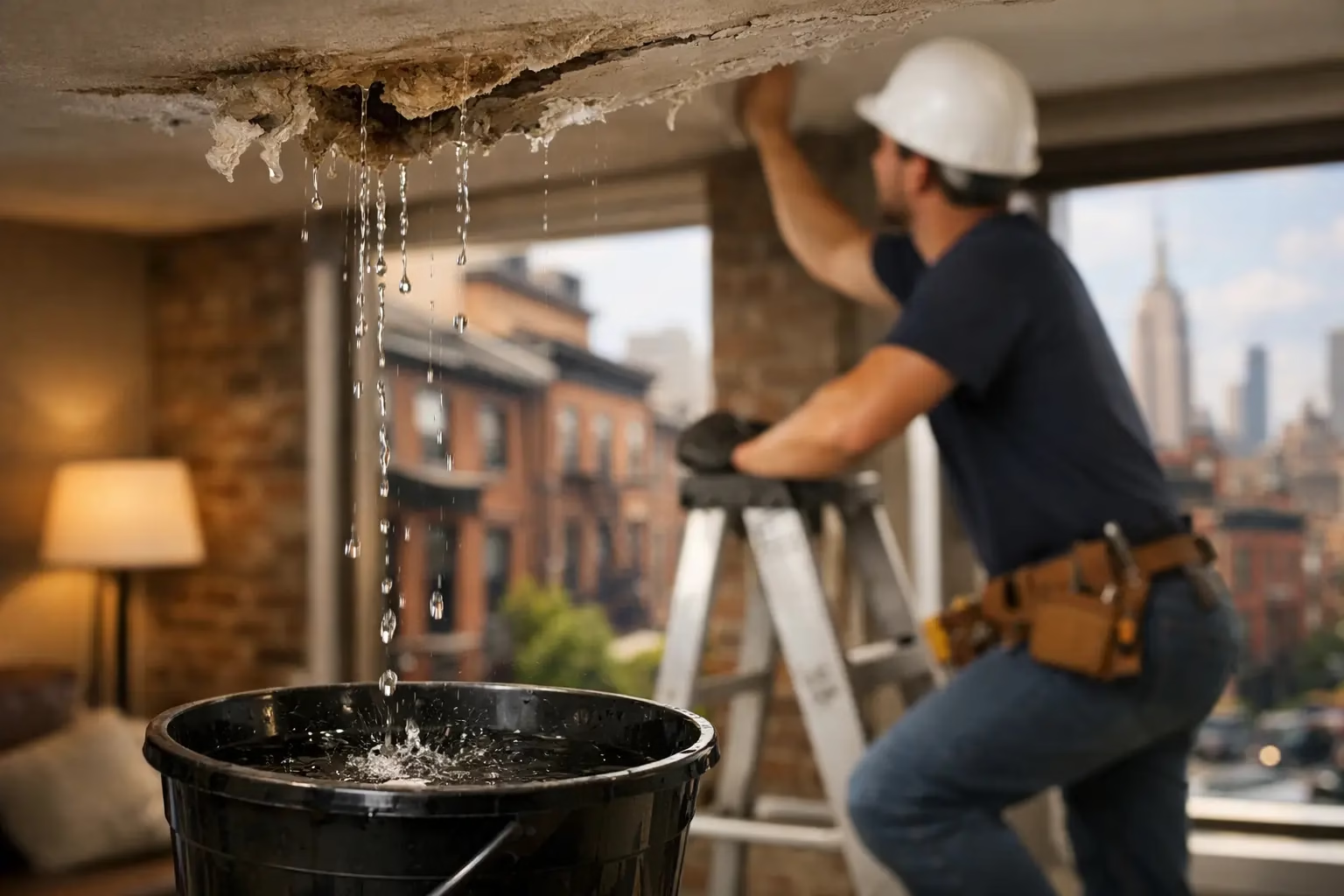
A small brown stain on a top-floor ceiling can be one of the top signs of roof leaks, but it is rarely a small problem for long. In New York City, water can travel across a flat roof deck, through masonry joints, around a parapet, or behind a wall before it appears inside. By the time a tenant notices dripping water, the leak may have already affected insulation, framing, plaster, paint, and electrical areas.
For property owners, landlords, and managers, the goal is not to wait for a dramatic ceiling collapse. It is to recognize the early warning signs, document where they occur, and arrange a professional roof inspection before the next storm turns a manageable repair into a larger restoration project.
Top Signs of Roof Leaks Inside Your Building
Ceiling stains that grow, darken, or return
Water stains are the most familiar warning sign. They may look yellow, brown, gray, or slightly darker than the surrounding ceiling. A stain that expands after rain is especially concerning, but a stain that returns after repainting is just as telling. Painting over it may improve the appearance temporarily, but it does not stop water from entering the building.
On a brownstone or older Brooklyn multifamily property, do not assume the roof is directly above the stain. Water can move along joists, pipes, and interior wall cavities. A leak near a roof drain, parapet wall, skylight, or rooftop mechanical penetration may show up several feet away from its actual entry point.
Peeling paint, bubbling plaster, or soft drywall
Moisture trapped behind a finished surface pushes paint outward and weakens plaster or drywall. You may see paint blistering on an upper-floor wall, flaking near a ceiling line, or a soft spot that gives slightly when pressed. In older buildings with plaster walls, repeated moisture can cause cracking and separation from the lath beneath.
These conditions should be addressed promptly. Even when the active leak has stopped between storms, wet materials can continue to deteriorate. If the affected area is near outlets, lighting, or wiring, keep people away from it and have the area assessed safely.
Musty odors and recurring mold growth
A persistent damp or musty smell in a top-floor apartment, hallway, attic, or commercial space often points to hidden moisture. Mold may appear as dark spotting around ceiling corners, window trim, closets, or behind furniture placed against an exterior wall. The roof may be involved, but so could failed flashing, masonry cracks, poor ventilation, or a plumbing line.
That distinction matters. A contractor should trace the source rather than treat visible mold as the entire problem. Cleaning and repainting without correcting the water path leaves the building vulnerable to repeat damage.
Drips, wet floors, or water after wind-driven rain
An active drip is an urgent sign, especially during a heavy storm. Place containers under the water, move valuables and electronics out of the area, and take photos for your records. Avoid puncturing a sagging ceiling unless instructed by a qualified professional. Water trapped above a ceiling can be heavy, and the area may be unsafe.
Notice the weather conditions when the leak occurs. Does it appear only in hard, wind-driven rain? Does it happen after snow starts melting? Does water show up hours after rainfall ends? Those details help identify whether the issue is likely related to membrane seams, flashing, clogged drains, ponding water, or a wall and parapet condition.
Roof-Level Warning Signs That Need Attention
Interior damage is not the only clue. A regular visual check from a safe location can reveal issues before water reaches the living space. Do not walk onto a roof without proper access, fall protection, and experience. NYC roofs can have soft areas, loose debris, uneven surfaces, and unprotected edges.
Ponding water that remains after a storm
Flat and low-slope roofs are common throughout NYC. They are designed to drain gradually, but standing water that remains for more than 48 hours in fair weather deserves attention. Ponding can speed up membrane wear, stress seams, and expose weak spots around drains.
Sometimes the repair is as simple as clearing a blocked drain or correcting debris buildup. Other times, the roof may need drain work, slope correction, membrane repair, or replacement in a localized area. The right scope depends on the roof system’s age and overall condition.
Cracked, lifted, or open roof membrane seams
On a flat roof, splits, bubbles, loose seams, exposed fabric, and areas pulling away from vertical surfaces can allow water below the membrane. Roof coatings may also crack or lose adhesion over time. A patch can be effective when the surrounding roof is still in good shape, but repeated leaks across multiple areas may indicate that patching is no longer the cost-effective answer.
A proper inspection should look beyond the visible opening. Water can spread beneath roofing materials, so the damaged area may be larger than the surface defect suggests.
Damaged flashing around edges and penetrations
Flashing protects the vulnerable transitions where roofing meets parapet walls, chimneys, skylights, vents, bulkheads, and rooftop equipment. When flashing rusts, separates, cracks, or pulls loose, rain can enter where the roof membrane alone cannot protect the building.
In dense city neighborhoods, nearby construction, wind exposure, aging masonry, and rooftop maintenance traffic can all affect these details. Flashing repairs should be tied into the roof system correctly, not sealed with a quick surface application that fails after one season.
Cracked parapets, loose coping, and failing masonry joints
For Brooklyn brownstones and masonry buildings, a roof leak may begin at the perimeter rather than the middle of the roof. Cracked coping stones, open mortar joints, deteriorated brick, and damaged metal caps can let water enter a parapet wall. That moisture can then travel downward and appear as stains or peeling paint inside the top floor.
This is where roofing, waterproofing, and masonry work overlap. Repairing only the ceiling stain will not protect the building. The exterior envelope needs to be evaluated as a complete system, including the roof edge, parapets, cornices, flashing, and brickwork.
Problems That Can Look Like a Roof Leak
Not every upper-floor water stain comes from the roof. Plumbing leaks, overflowing HVAC condensate lines, broken window seals, and facade cracks can create similar symptoms. Condensation can also produce moisture and mold around poorly ventilated areas, particularly when warm indoor air meets cold exterior surfaces.
The pattern usually offers clues. A plumbing leak may continue during dry weather. A window or facade issue may appear after wind blows rain against one side of the building. A roof leak often becomes worse after storms or snowmelt, though it can take time for water to show itself indoors.
That is why a real inspection matters. Guessing can lead to unnecessary work in the wrong location and leave the actual source untouched.
What to Do When You Spot a Leak
Start by protecting people and property. Move furniture, rugs, inventory, and electronics away from the wet area. If water is close to electrical fixtures, shut off power to the affected area only if it is safe to do so, then contact an electrician or qualified contractor. Photograph the damage, note the date and weather conditions, and keep records of any tenant reports.
Next, arrange an inspection as soon as conditions allow. Emergency measures can limit interior damage, but they should lead to a permanent repair plan. For a commercial owner or landlord, acting early also helps reduce disruptions to tenants and prevents a small maintenance issue from becoming a larger claim or vacancy problem.
When Repair Makes Sense and When Replacement Is Smarter
A targeted roof repair may be the practical choice when the roof is relatively young, the leak source is clear, and the membrane is otherwise sound. Repairs around drains, flashing, isolated punctures, or minor seam failures can often extend a roof’s useful life.
Replacement deserves consideration when leaks recur in different areas, the roof is near the end of its service life, or the deck and insulation show widespread moisture damage. The lowest initial price is not always the lowest long-term cost. Repeated emergency patches, interior repairs, tenant complaints, and damage to masonry can quickly exceed the cost of a planned roof project.
For NYC properties, the inspection should also account for roof access, drainage, adjoining structures, parapet conditions, and any related facade or cornice needs. One coordinated scope can prevent multiple contractors from treating separate symptoms while missing the larger water-entry problem.
A roof rarely fails at a convenient time, but early signs give owners a chance to stay in control. If you see staining, soft finishes, ponding water, or damaged roof edges, schedule a professional assessment before the next storm. Best Budget Construction provides practical, licensed and insured roofing, waterproofing, masonry, and restoration solutions for Brooklyn and NYC properties, with clear estimates and work focused on stopping the source of the damage.
