

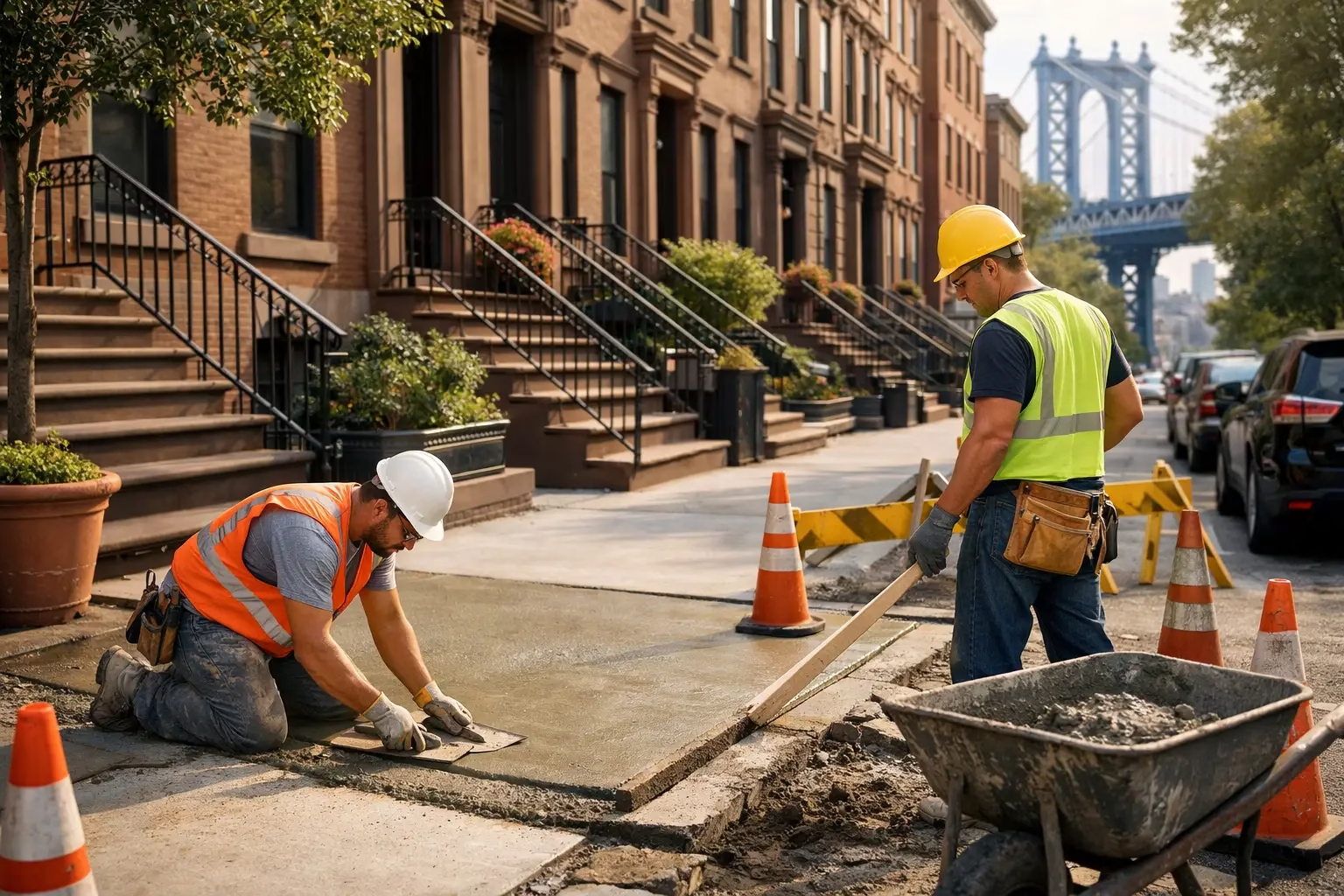
A cracked sidewalk is not just a curb-appeal problem in Brooklyn. It can create a trip hazard, trigger a NYC DOT violation, disrupt tenant access, and expose a property owner to liability. Brooklyn sidewalk repair permits are part of getting that problem corrected the right way – without starting work that has to stop halfway through or be redone after an inspection.
For brownstones, multifamily buildings, stores, and mixed-use properties, sidewalk work is usually an owner responsibility. The city may issue a notice after an inspection, but waiting for a violation is rarely the cost-conscious choice. A small lifted flag, loose concrete, or broken edge can become a larger replacement area once water, freeze-thaw cycles, tree roots, and foot traffic take over.
When Brooklyn Sidewalk Repair Permits Are Needed
Most sidewalk reconstruction, replacement, and excavation work in the public right-of-way requires a permit through the New York City Department of Transportation. The permit is not simply paperwork. It establishes who is authorized to occupy or work in the sidewalk area, when the work may occur, and what safety and restoration rules apply.
The exact permit path depends on the scope. Replacing damaged concrete flags is different from work involving a curb, driveway apron, tree pit, utility connection, cellar door, vault, or street opening. A repair that looks straightforward from the surface can involve more coordination when there are utility lines, roots, or below-grade building conditions beneath it.
Property owners should not assume that a contractor can pour new concrete first and handle the permit later. Unauthorized work can lead to stop-work issues, added fees, delays, or a requirement to remove and restore noncompliant work. The practical approach is to confirm the scope, permit responsibility, insurance requirements, and work schedule before materials arrive.
Start With the Actual Sidewalk Condition
A proper site review should identify more than the most visible crack. The contractor should look at the condition of adjacent flags, the slope toward the curb, drainage patterns, trip edges, tree-root movement, and the transition to steps, entrances, or driveway areas. Repairing one square while leaving failing concrete directly beside it may be cheaper today, but it can mean another mobilization and another sidewalk disruption soon after.
There is a trade-off. Replacing only the failed sections can control the immediate budget when surrounding concrete is sound. Replacing a larger, connected area may provide a cleaner finish, more consistent grade, and better long-term value when multiple flags are deteriorated. The right decision depends on the sidewalk’s condition, the required restoration area, and the owner’s maintenance plan.
If a property has received a DOT sidewalk violation, read the notice carefully and keep the location details available. The cited area needs to be corrected to city standards and may need to be inspected after completion. A contractor should be able to explain how the repair scope addresses the cited defect rather than offering a vague promise to “patch it up.”
Who Handles the Permit and Site Protection?
This should be settled in writing before work begins. In many sidewalk projects, the contractor manages the permit process as part of the job, but the owner should understand what is included in the proposal. Ask whether the quoted price covers permit filing, required insurance documentation, pedestrian protection, temporary barriers, inspection coordination, debris removal, and final site cleanup.
A licensed and insured contractor is especially important because sidewalk work happens in a public area. Pedestrians must have a safe, clearly protected route around the active work zone. A crew also needs to manage concrete deliveries, tools, debris, and access to the building without blocking entrances longer than necessary.
For occupied buildings and storefronts, timing matters as much as the repair itself. A good plan accounts for tenant notices, delivery schedules, business hours, accessible entry needs, and the curing time for new concrete. A rushed job that leaves residents without a practical entrance or creates an unprotected hazard is not a successful repair.
Permit Issues That Can Change the Scope
The permit for a standard sidewalk replacement may be only one part of the project. Older Brooklyn properties often have conditions that require a closer look before demolition begins.
Tree Roots and Tree Pits
Tree roots are a common reason concrete flags rise, crack, or separate. Cutting roots without proper evaluation can damage the tree and may create a bigger problem. The repair strategy may need to account for the tree pit, root growth, and the city’s requirements for work near street trees. Sometimes a different layout or a larger coordinated repair is more appropriate than repeatedly replacing the same lifted flag.
Vaults, Cellar Doors, and Below-Grade Conditions
Many brownstones and older commercial buildings have vaults, coal chutes, cellar doors, or utility-related structures below the sidewalk. A cracked surface can be a sign of movement below, not just worn-out concrete. In those cases, the project may require investigation beyond a standard flag replacement and may involve additional approvals or specialized structural work.
Landmark and Historic District Considerations
In areas such as Brooklyn Heights, Park Slope, Cobble Hill, and other historic neighborhoods, exterior work often deserves extra planning. A basic in-kind sidewalk repair may not raise the same concerns as a change to a stoop, areaway, fence, paving pattern, or other visible historic feature. Still, owners should verify whether their property’s location and project scope create additional review requirements before committing to a schedule.
Driveways, Curbs, and Utility Work
Work at a driveway, curb line, or utility connection is not a simple sidewalk patch. It can involve separate specifications, agency coordination, and a broader permit scope. This is where a low quote can become expensive if it leaves out required restoration or assumes the owner will handle approvals later.
What a Clear Sidewalk Repair Estimate Should Include
A dependable estimate does not need to be complicated, but it should be specific. It should describe the affected area, whether concrete flags will be removed and replaced, how the base will be prepared, what happens to debris, and whether permit-related work is included. It should also state any conditions that could change pricing, such as concealed voids, extensive root interference, utility conflicts, or damaged subgrade discovered after removal.
Be cautious with estimates that offer one price without measuring the site or discussing the violation, access, and sidewalk condition. Affordable work is not the same as incomplete work. The lowest number may exclude permit handling, protection, disposal, finishing, or the corrective work needed for a proper inspection.
At Best Budget Construction, sidewalk repair is approached as part of the building’s overall exterior condition. A damaged walk may connect to drainage issues, failing masonry, cracked stoop concrete, or water entering the foundation area. Looking at those conditions together can prevent an owner from paying for isolated repairs that do not solve the underlying cause.
Avoid Delays Before the Crew Arrives
Once the repair plan is set, owners can help keep the job moving by providing access details, sharing any DOT violation documents, notifying tenants or commercial occupants, and identifying building entrance needs. Cars, planters, outdoor furniture, trash containers, and delivery activity near the work area should be addressed before the scheduled start date.
Do not schedule sensitive move-ins, major storefront deliveries, or events during the expected work window if there is flexibility. Concrete work depends on site conditions and weather, and a responsible contractor will not compromise curing or safety simply to meet an unrealistic date. New York weather, underground surprises, and agency timing can affect the schedule, even on a small sidewalk job.
A Better Way to Handle a Sidewalk Problem
The best time to address a damaged sidewalk is when the problem is still contained. Get the condition evaluated, confirm the permit needs for the actual scope, and hire a contractor that can manage safety, concrete work, cleanup, and coordination without passing each task to a different vendor. That gives Brooklyn owners a clearer budget, fewer preventable delays, and a sidewalk that is built to serve the property safely for years.
