

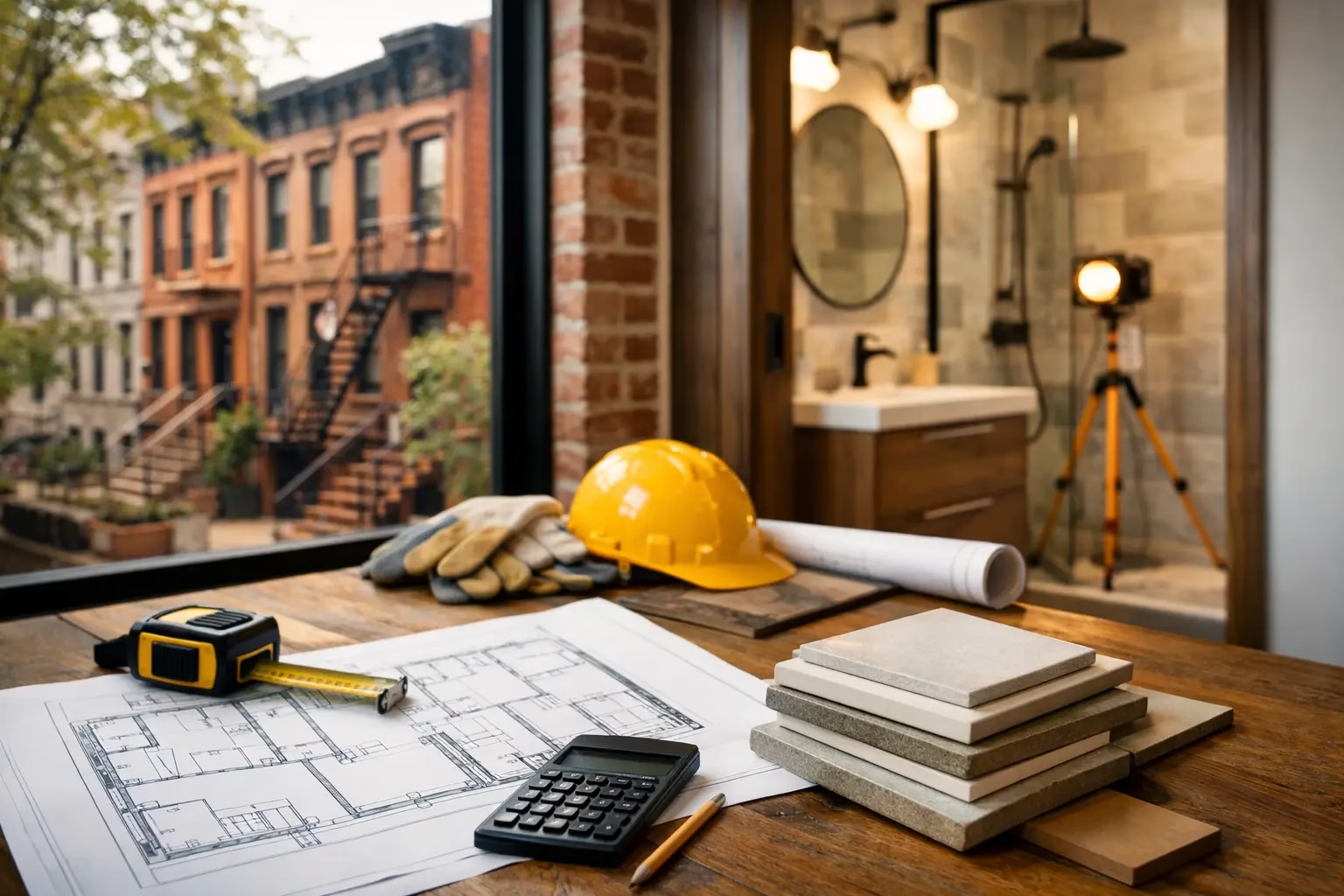
A bathroom that looks like a straightforward update can expose decades of hidden work once demolition begins. In a Brooklyn brownstone, condo, or prewar apartment, knowing how to budget bathroom renovation work means accounting for the room you can see and the pipes, wiring, waterproofing, and building rules you cannot. A realistic budget protects your property, prevents rushed decisions, and gives your contractor a clear path to complete the work properly.
For most NYC owners, the lowest initial number is not the best value. A bathroom needs to hold up against daily water use. Saving money on a vanity finish is one thing. Cutting corners on waterproofing, drain connections, ventilation, or licensed labor can lead to leaks, mold, damaged ceilings, and much higher repair costs later.
Start Your Bathroom Renovation Budget With the Scope
Before selecting tile or fixtures, decide what type of project you are actually planning. A cosmetic refresh may include paint, a new vanity, mirror, lighting, toilet, and fixture replacements while keeping the existing layout. A full renovation can involve demolition, new plumbing lines, electrical upgrades, a new shower or tub, waterproofing, tile installation, ventilation, and finishing work.
The layout is one of the biggest budget decisions. Keeping the toilet, tub, and vanity in their current locations can reduce plumbing labor and limit surprises. Moving any of these items may be worthwhile for a better layout, but it can require opening floors or walls, changing drain and vent lines, and coordinating with building management in a co-op or condo.
Write down what is required, what is preferred, and what can wait. For example, repairing water-damaged subflooring is required. A heated floor may be preferred. A custom niche with accent tile may be optional. This simple separation helps you make decisions quickly if the estimate needs to be adjusted.
Build the Budget Around the Work That Matters Most
A sound estimate divides the renovation into clear categories instead of offering one vague total. Your bathroom budget should account for demolition and disposal, plumbing, electrical work, waterproofing, tile and installation, fixtures, cabinetry, paint, permits, and project management.
Labor is often a large share of a New York City bathroom renovation cost. Tight access, walk-up buildings, elevator reservations, limited staging space, and debris removal all affect production time. In older Brooklyn homes, crews may also uncover nonstandard framing, aging cast-iron pipes, outdated wiring, or previous work that does not meet current standards.
Materials can vary just as widely. A standard porcelain tile can deliver a clean, durable finish at a much lower price than natural stone, handmade tile, or oversized slabs. A stock vanity may work well in a standard-size bath, while a narrow or irregular brownstone bathroom may need custom cabinetry. Neither choice is automatically right. The better choice is the one that fits the room, the maintenance level you want, and the total budget.
Do Not Treat Waterproofing as an Upgrade
Waterproofing is core construction work, especially around a tub or shower. It should not be priced as an optional extra that disappears when costs rise. Proper substrate preparation, shower pan construction, membrane installation, sealed penetrations, and testing are what help keep water where it belongs.
The same principle applies to ventilation. If a bathroom has poor airflow, new finishes can deteriorate quickly. A qualified contractor should evaluate the existing exhaust setup and explain what can be improved within the property and building requirements.
Set Aside a Real Contingency
For an older property, a contingency is not wasted money. It is a planned reserve for conditions that cannot be fully confirmed until walls, floors, or ceilings are opened. A practical contingency is often 10% to 20% of the construction budget, depending on the age and condition of the bathroom.
Common discoveries include rotted wood, cracked or uneven subfloors, leaking pipes, hidden mold, corroded valves, insufficient electrical capacity, and wall damage behind old tile. In multi-family buildings, there may also be issues tied to shared plumbing lines or building access.
Do not spend your contingency on decorative upgrades before work starts. Hold it until demolition is complete and the contractor can confirm the actual conditions. If it remains unused, you can apply it to a better fixture, additional storage, or simply keep it in reserve.
Include NYC Permits and Building Requirements Early
NYC bathroom renovation budgets need room for administrative work as well as construction. Depending on the scope, permits, licensed trade work, inspections, and building approvals may be required. Co-ops and condos can have their own alteration agreements, insurance requirements, work-hour rules, elevator procedures, and protection requirements.
A contractor should explain what is included in the proposal and what may be billed separately. Ask whether the price includes filing, permit-related work, insurance documentation, site protection, debris removal, and final cleanup. Clear answers prevent the frustrating situation where an apparently low estimate grows through items that were never discussed.
Landlords and property managers should also consider tenant coordination. If the bathroom is the only one in an occupied unit, a practical schedule and clear communication matter as much as the finish selections. A fast project is valuable, but only if the work is sequenced correctly and inspections are handled properly.
Choose Materials Before You Lock the Estimate
You do not need every decorative detail selected on day one, but major materials should be identified before signing a final construction agreement. This includes the tub or shower system, toilet, vanity, faucet, tile range, lighting, and shower glass approach.
Allowances can be useful when a final selection is not ready. However, understand exactly what each allowance covers. If an estimate includes a $500 tile allowance and you choose tile that costs $1,200, the difference affects the final price. The same is true for faucets, vanities, medicine cabinets, and specialty hardware.
Order lead-time items early. Custom vanities, shower doors, specialty tile, and certain fixtures can delay a project if they arrive after rough plumbing, wall preparation, or finishing work is ready to proceed. A good budget includes not only the item price but also the timing needed to keep the job moving.
Compare Estimates by Scope, Not Just Price
When reviewing bids, compare line by line. One contractor may include demolition, waterproofing, permits, protection, and debris hauling, while another may list only basic labor and materials. The lower number is not truly lower if essential work is missing.
Ask each contractor to clarify the scope, materials, payment schedule, projected timeline, exclusions, and process for change orders. A change order is not automatically a red flag. Legitimate hidden conditions and owner-requested upgrades happen. What matters is that changes are documented, priced clearly, and approved before the additional work moves forward.
For NYC properties, work with a licensed and insured contractor that understands urban renovation conditions. Best Budget Construction approaches estimates with the full job in mind, from demolition and plumbing coordination to tile, paint, cleanup, and the building requirements that can affect the schedule.
Avoid These Budget Mistakes
The most expensive bathroom decisions often look like savings at first. Avoid relying on verbal pricing, buying fixtures without checking rough-in requirements, changing materials repeatedly after installation starts, and hiring separate trades without one party responsible for the full sequence of work.
Also avoid setting a budget based only on online averages. Those figures rarely account for your building, access conditions, existing plumbing, permit needs, or the repairs hidden behind old finishes. A site visit and written estimate provide a far more useful starting point.
Make the Final Number Work for Your Property
If the full wish list exceeds the budget, reduce cost in the areas that are easiest to upgrade later. Choose a durable standard tile instead of premium stone, keep the plumbing layout, or select a quality stock vanity. Keep the money in the systems behind the walls: plumbing, electrical safety, waterproofing, ventilation, and solid installation.
A bathroom renovation should leave you with a clean, functional space and confidence that the work was completed the right way. Start with a detailed scope, reserve funds for the unknown, and request a transparent estimate before demolition begins. That is how a cost-conscious renovation stays under control without compromising the work your property depends on.
