

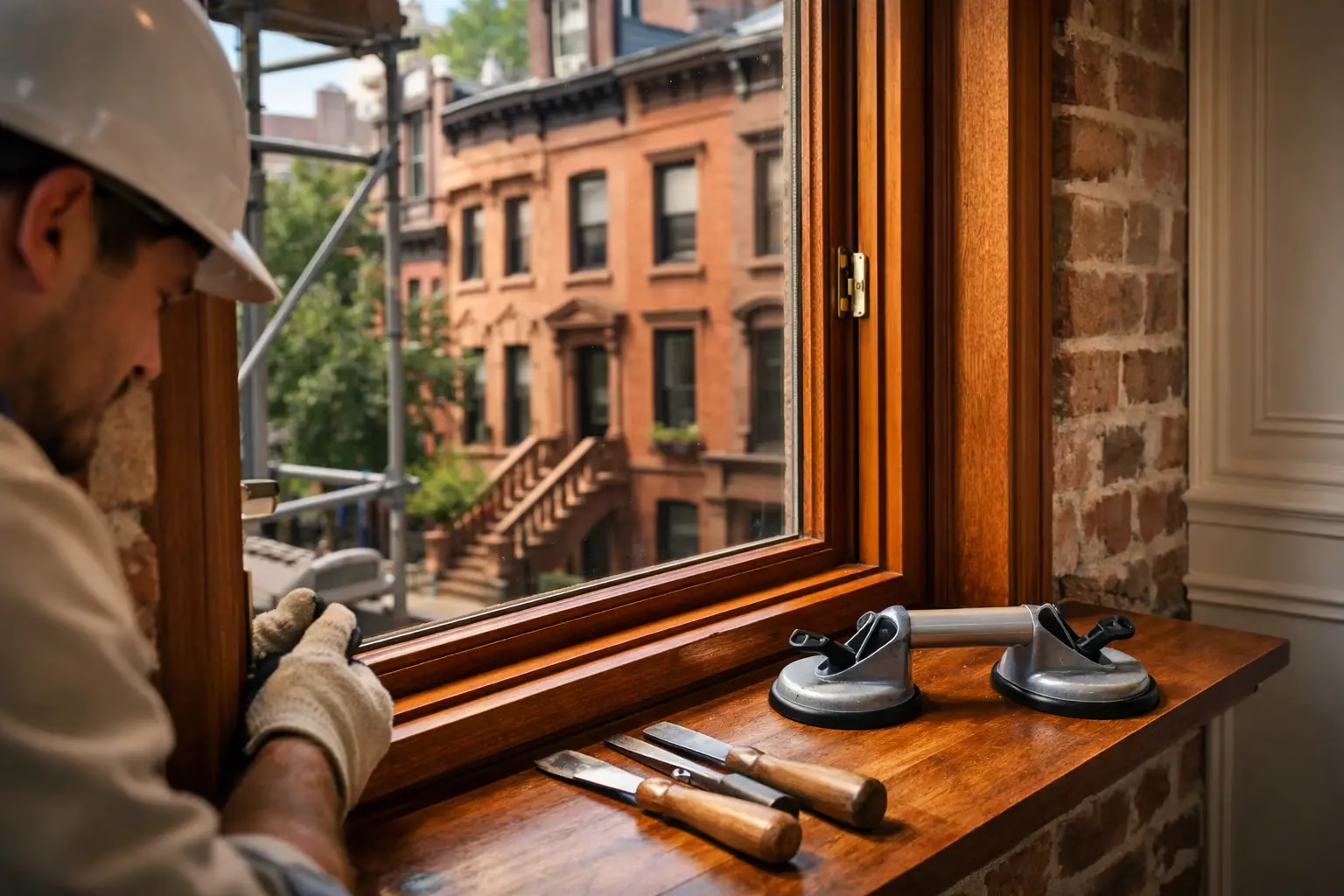
A brownstone window is more than a source of daylight. It is part of the facade, the weather barrier, and often a defining historic feature of the property. The best brownstone window restoration options depend on what is actually failing: loose glazing, rotted wood, cracked panes, poor operation, air leakage, or a damaged frame hidden behind layers of paint. The right answer is not always full replacement. In many Brooklyn brownstones, careful repair preserves more value and character at a lower cost.
For owners in Park Slope, Brooklyn Heights, Cobble Hill, Bed-Stuy, and other older NYC neighborhoods, the first step is a hands-on inspection. A window that looks worn may need targeted restoration. A window with major structural decay or severe water intrusion may need a more extensive solution. A qualified contractor should explain the condition, scope, materials, and cost before work begins.
Start With a Window Condition Assessment
Old wood windows are repairable more often than many owners assume. Solid historic lumber is frequently denser and more durable than new stock materials. The question is not whether a window is old. The question is whether the sill, sash, jambs, frame, glazing, hardware, and surrounding masonry can still perform after repair.
A proper assessment checks for soft or crumbling wood, failed paint, open joints, missing putty, cracked glass, water staining, and deterioration where the sill meets the brick or brownstone facade. It should also identify the cause of damage. A repaired sill will fail again if water continues to enter through a leaking lintel, open masonry joints, failing cornice, or poor drainage above the opening.
This is where a one-contractor approach helps. Window work can overlap with facade restoration, brick pointing, waterproofing, painting, and trim repair. Coordinating these conditions as one project can prevent duplicate labor and make sure the finished window is protected by a sound exterior.
Best Brownstone Window Restoration Options by Condition
Repair and reglaze original wood windows
For windows with sound frames and limited wood damage, repair and reglazing are often the strongest value. The work typically includes removing failed paint and old glazing compound, tightening joints, replacing broken glass where needed, repairing small areas of damaged wood, priming exposed surfaces, and repainting with exterior-grade coatings.
New glazing keeps glass secure and closes a common path for drafts and water. New weatherstripping can also make double-hung windows operate more smoothly and reduce air leakage. This option keeps original profiles, divided-light patterns, and period character intact.
Repair is usually the practical choice when deterioration is limited to the lower sash, sill edges, glazing, or paint surface. It costs less than a full window replacement, but it is labor-intensive work. A low bid that skips proper preparation, wood consolidation, priming, or curing time can create a short-lived result.
Restore sashes and replace deteriorated wood sections
When rot is concentrated in part of a sash, sill, or exterior casing, selective wood restoration may be the better answer. A contractor removes decayed material back to sound wood and uses properly fitted replacement sections, exterior-rated adhesives, consolidants, and fillers where appropriate. The goal is to retain as much original material as possible without leaving hidden decay in place.
This is not a paint-over repair. Wood must be dry, stable, and properly shaped so water sheds away from the building. Sill slopes, drip details, and tight joints matter as much as the final paint color. A restored window should look right, but it also has to handle NYC rain, freeze-thaw cycles, and summer humidity.
Selective restoration makes sense when the window’s historic proportions are worth saving and the main frame remains structurally sound. If rot extends through multiple components, full sash rebuilding or replacement may be more cost-effective.
Add storm windows for better comfort
Original single-pane windows can be restored and still feel drafty in winter. Interior or exterior storm windows are a practical way to improve comfort without removing historic wood sashes. They create an additional air space that can reduce drafts, outside noise, and heat loss.
Interior storms are generally less visible from the street and can be a good choice where exterior appearance is tightly controlled. Exterior storms may be appropriate on less visible elevations or where the existing window configuration allows for a clean fit. The right product depends on the window shape, ventilation needs, and whether the building is subject to historic district review.
Storm windows are not a cure for rot or water leaks. The original window must first be repaired, glazed, and painted correctly. But for an owner trying to balance preservation, energy savings, and budget, they can be one of the best upgrades available.
Rebuild or replicate historic wood windows
Some windows are too far gone for spot repairs but are still important to the building’s appearance. In that case, custom wood sash rebuilding or replication can preserve the original look while replacing failed components. This option is often used for arched openings, oversized parlor-floor windows, true divided-light units, and distinctive profiles that standard replacement windows cannot match.
The trade-off is cost and lead time. Custom work requires accurate field measurements, shop fabrication, and careful installation. It is generally more expensive than off-the-shelf replacement windows, but it can be the appropriate investment on a prominent front facade or landmarked brownstone.
Before approving replication, review the sightlines, muntin dimensions, glass arrangement, hardware placement, and exterior casing details. Small profile changes can noticeably alter the face of a historic building.
Replace windows when restoration no longer makes sense
Replacement is sometimes necessary. A window may have extensive rot in the frame and sash, severe distortion, repeated water damage, missing components, or previous alterations that leave little original fabric to preserve. New windows may also be needed where safety, egress, or code requirements cannot be met through restoration.
For a brownstone, replacement should not mean choosing the cheapest unit that fits the opening. Vinyl windows can be a lower upfront-cost option, but their frame proportions and appearance may not suit a historic facade. They can also be difficult to repair and may not be accepted in certain landmarked settings. Wood or wood-clad replacement windows generally offer a closer visual match, though they come with a higher price.
Energy-efficient glass can improve interior comfort, but glass selection should match the building and approval requirements. Highly reflective coatings, incorrect grids, or thick modern frames can look out of place. On a rear or side elevation, owners may have more flexibility than on a street-facing facade.
Historic District Rules Can Change the Plan
Many brownstones are located in designated historic districts, especially in Brooklyn. If a visible window will be replaced or its exterior appearance changed, approvals may be required before work begins. The level of review depends on the property location, window visibility, and proposed changes.
Repairing existing windows is often easier to support because it retains the original material and appearance. Replacement proposals may need to show that the new unit matches the historic configuration in material, operation, profile, and divided-light pattern. Do not order custom windows before confirming what is permitted. A fabrication mistake can be expensive and delay the entire project.
A contractor experienced with brownstone exteriors can help identify when window work should be coordinated with facade repairs, waterproofing, lintel restoration, or exterior painting. The goal is to fix the building envelope as a whole, not just improve one opening.
What Drives Brownstone Window Restoration Cost?
There is no honest one-price answer because every opening has its own condition. A straightforward reglazing and paint restoration costs far less than rebuilding a rotted bay-window sash or fabricating a custom arched unit. Access also matters. Ground-floor work is different from upper-story work requiring scaffolding, sidewalk protection, or coordination with facade repairs.
The main cost factors are the number of windows, extent of wood decay, glass type, hardware condition, custom millwork, exterior access, finish requirements, and landmark review. Water-source repairs can add cost, but they should not be skipped. Replacing a window without correcting failed pointing, flashing, or roof drainage is a false economy.
Ask for an estimate that separates repair, replacement, painting, glazing, and related facade work. Clear scope language makes it easier to compare proposals and prevents surprises after work has started. Licensed, insured, OSHA-compliant crews also matter when exterior access and occupied properties are involved.
Protect the Work After Restoration
A restored wood window needs regular maintenance, not constant major work. Inspect paint, glazing, and sill joints every year, especially after winter. Keep gutters and roof drainage working, trim nearby vegetation, and address peeling paint before bare wood is exposed. If windows begin sticking, do not force them. Early adjustment is easier than repairing broken sash cords, hardware, or glass.
For NYC owners who want durable results without managing separate trades, Best Budget Construction can assess the windows along with the surrounding masonry, waterproofing, trim, and painting needs. A detailed estimate can show whether repair, restoration, storm windows, or replacement is the sensible investment for your brownstone. The best choice is the one that protects the building, respects its character, and solves the actual source of the problem.
