

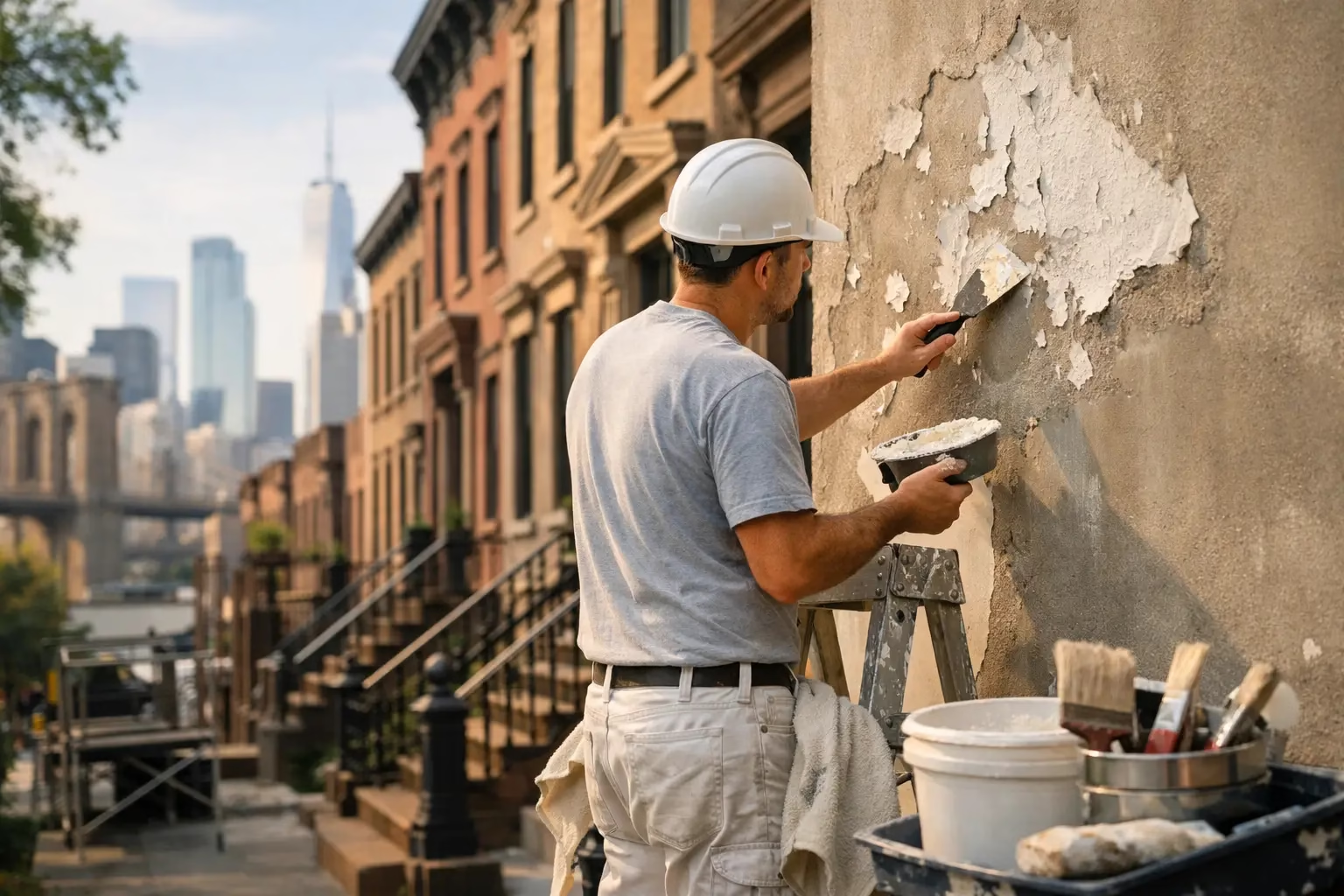
Peeling paint on a facade is rarely just a paint problem. On a Brooklyn brownstone, brick townhouse, or older mixed-use building, it often points to trapped moisture, failing masonry joints, roof runoff, or an incompatible old coating. Knowing how to fix peeling facade paint starts with identifying why the paint lost its bond. Covering it with a fresh coat may look better for a season, but the same failure will return if water is still getting behind the surface.
For New York City property owners, the right repair protects curb appeal, helps preserve masonry, and can prevent a small maintenance issue from becoming a larger facade restoration project.
Find the Cause Before Removing the Paint
Paint needs a dry, sound, properly prepared surface to adhere. When it blisters, flakes, or comes off in sheets, moisture is often the first suspect. Water may be entering through cracked brick joints, deteriorated brownstone, failed window caulking, open seams around cornices, leaking gutters, or roof flashing above the painted area.
Look closely at where the peeling is concentrated. Paint failing below a roofline, cornice, or window sill may indicate runoff or a flashing leak. Peeling near the base of a wall can be related to rising damp, poor drainage, sidewalk grading, or water entering at the foundation. A single isolated patch may be impact damage or a previous poor repair, while widespread peeling usually points to a broader coating or moisture issue.
Older NYC facades create another concern: many masonry walls need to release moisture naturally. Dense, non-breathable paint applied over brick, stucco, or brownstone can trap water inside the wall. During freeze-thaw cycles, that moisture expands and can push paint away from the surface. It may also contribute to spalling brick, crumbling mortar, and damaged stucco.
Do not assume pressure washing or another coat of paint will solve the issue. A careful site inspection should check the roof edge, gutters, leaders, masonry joints, window perimeters, parapet walls, and any cracks in the facade before painting begins.
Repair Water Entry and Masonry Defects First
A lasting paint repair follows a simple order: stop water, repair the substrate, then apply the right coating. If that order is reversed, even premium paint can fail early.
Small cracks in stucco or cement may need to be opened, cleaned, and repaired with a compatible patching material. Missing or deteriorated mortar between bricks should be addressed through repointing. Damaged brownstone may require restoration with a repair mix designed to match the original material and its vapor permeability. Where water is entering from above, roofing, flashing, coping stones, cornices, and gutters need attention before the facade is coated.
This is where a one-trade approach can create expensive delays. A painter may identify a leak but not repair the flashing. A roofer may stop the leak but not address damaged brick pointing. On an aging urban property, the exterior works as one system. Coordinating masonry, waterproofing, roofing, and painting under one experienced contractor helps ensure the repair is complete.
If there are active leaks, soft masonry, visible rust, bulging walls, loose cornice pieces, or large cracks, treat the condition as more than a paint job. A licensed and insured exterior restoration contractor should assess the facade and recommend the appropriate scope of work.
How to Fix Peeling Facade Paint Step by Step
Once the wall is dry and underlying damage has been corrected, surface preparation determines the quality of the finished work. Rushing this phase is the most common reason a repaired area peels again.
Remove all loose and failing coating
Scrape and sand paint until only firmly bonded material remains. The goal is not always to strip every layer from the building, but every loose edge, blister, and weak section must be removed. Feather the remaining paint edges so they do not show through the new finish.
For large facades or heavily deteriorated coatings, professional methods such as controlled scraping, grinding with dust collection, or appropriate chemical removal may be necessary. The method depends on the substrate, paint history, access conditions, and nearby occupants.
Homes built before 1978 may contain lead-based paint. Disturbing old exterior paint without proper containment can create a health hazard and expose owners to compliance issues. A qualified contractor should use lead-safe work practices, contain dust, protect neighboring properties, and clean the site properly.
Clean the wall without damaging it
The exposed surface must be free of dust, chalking residue, dirt, mildew, salts, and loose mortar. Gentle cleaning may be enough for some painted stucco surfaces. Brick, brownstone, and aging masonry require more caution.
High-pressure washing can force water into joints, damage soft mortar, and scar historic masonry when used incorrectly. The right pressure, cleaning solution, and technique depend on the facade material. After cleaning, allow the wall to dry fully. Painting over a damp wall is an invitation for blistering and peeling.
Prime bare areas with the correct product
Primer is not a shortcut, and one product does not fit every facade. Bare masonry, patched stucco, chalky old paint, metal elements, and wood trim may each require a different primer. A masonry primer can help stabilize porous surfaces, while a bonding primer may be needed where old coatings remain sound but difficult to adhere to.
Primer also reveals problems that were hidden by failed paint. If staining, moisture marks, powdering, or new cracks appear during preparation, pause and determine the cause rather than continuing with finish paint.
Apply a compatible exterior coating system
For many painted masonry facades, a breathable coating system is the better choice because it sheds rain while allowing trapped vapor to escape. However, the right specification depends on whether the surface is brick, stucco, brownstone, cement, wood, or metal. A product that performs well on smooth fiber-cement siding may be a poor choice for historic brick.
Apply the manufacturer-recommended number of coats at the proper spread rate. Thin coats may look acceptable on day one but offer less protection and shorter service life. Work should also be scheduled for suitable weather. Rain, excessive humidity, direct blazing sun, and low temperatures can all interfere with curing.
Do Not Paint Over These Warning Signs
A few cosmetic flakes can sometimes be handled as a small maintenance repair. Certain conditions require further investigation before any paint is applied:
- Repeated bubbling or peeling in the same location
- White powdery deposits, known as efflorescence, on masonry
- Spalling brick, loose mortar, crumbling brownstone, or cracked stucco
- Water stains beneath windows, parapets, cornices, or roof edges
- Mold or mildew returning after cleaning
- Large areas of paint releasing down to bare masonry
These signs suggest water movement, failing materials, or an unsuitable previous coating. Painting over them can hide the evidence temporarily while allowing structural or masonry damage to continue behind the finish.
Choosing DIY Work or a Professional Facade Repair
A homeowner may be able to handle a small, accessible area of peeling paint on sound wood trim or a low stucco wall, provided the moisture source is clearly resolved. Proper personal protection, safe ladder use, thorough preparation, and weather awareness still matter.
Professional help is usually the better value when peeling affects upper stories, brownstone details, brick facades, cornices, parapets, or areas near public sidewalks. Access, scaffolding, permits, lead-safe containment, and the risk of falling debris can turn a seemingly simple paint repair into a serious exterior project. For landlords and commercial owners, professional documentation and a clear scope of work also make budgeting and maintenance planning easier.
At Best Budget Construction, facade work is approached as a repair system, not a quick cover-up. That means identifying leaks and substrate problems, completing needed masonry or waterproofing repairs, and using preparation and coatings suited to NYC building conditions. Licensed, insured, and OSHA-conscious work protects the property, the public, and the long-term value of the investment.
Plan Maintenance Before the Next Paint Failure
A properly repaired facade should not be ignored once the paint dries. Inspect it after major storms and at least once a year. Check gutters and leaders for clogs, look for new mortar cracks, watch window and roof transitions, and address small failures before water reaches the wall behind the coating.
The best time to repair peeling facade paint is when it is still a localized warning sign. A clear inspection and a detailed estimate can show whether your building needs targeted prep and repainting or a more complete masonry, waterproofing, or cornice repair – and help you spend money where it will actually last.
