

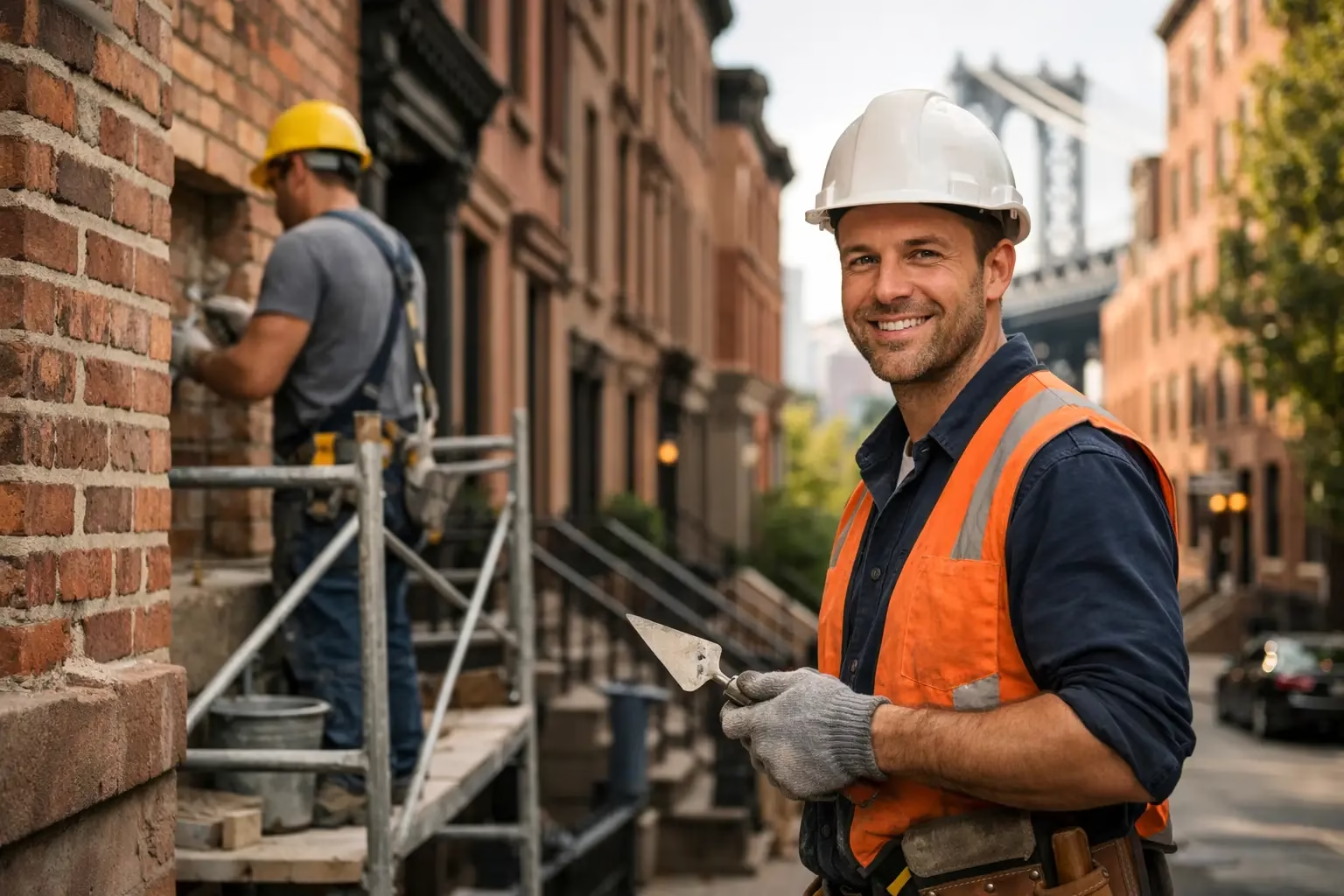
A loose brick above a sidewalk is not just a cosmetic problem. On a Brooklyn brownstone, row house, apartment building, or storefront, a small crack can allow water behind the facade, weaken mortar joints, stain interior walls, and create a safety concern for pedestrians below. The right Brooklyn facade repair specialists look beyond the visible damage to find out why it happened and repair the building correctly.
For property owners and managers, facade work is often stressful because the scope can change once damaged areas are opened. A dependable contractor reduces surprises by inspecting the full condition of the exterior, explaining the repair options in plain language, and providing a clear estimate before work starts. The goal is not to sell unnecessary work. It is to protect the structure, preserve the appearance of the property, and address active problems before they become larger and more expensive.
What Facade Damage Looks Like in Brooklyn
Brooklyn buildings take a beating from freeze-thaw cycles, wind-driven rain, roof runoff, street vibration, and decades of prior repairs. Historic brownstones and masonry properties are especially vulnerable because original materials need compatible repair methods. A quick patch with the wrong mortar, paint, or waterproof coating can trap moisture and cause more damage over time.
Common warning signs include cracked or spalling brick, missing mortar, deteriorated brownstone, bulging masonry, loose coping stones, rust stains, failed window lintels, crumbling stucco, and water marks near interior exterior walls. You may also see white powder on brick, called efflorescence. It often means moisture is moving through the wall and depositing salts on the surface.
Not every crack means immediate structural failure. Hairline cracks in an old stucco finish may be limited to the surface. A stair-step crack through masonry, a wall that is bowing outward, or pieces falling from above, however, needs prompt professional attention. If debris is loose over a public sidewalk or entrance, the area should be kept clear until it can be made safe.
How Brooklyn Facade Repair Specialists Find the Real Problem
Good facade repair starts with diagnosis, not with a caulk gun. The visible failure may be on the front wall, but the source can be a leaking roof, damaged flashing, broken gutter, open parapet joint, failed window seal, or poor drainage at the base of the building.
A thorough inspection reviews the masonry, mortar joints, cornice, parapets, lintels, coping, window surrounds, stucco, and transitions where different materials meet. It should also consider the roofline and drainage system. Water enters at the highest opening it can find, then travels through the wall before showing up somewhere else.
The repair plan should match the building material and the severity of damage. Repointing may be enough where mortar joints have worn away but bricks remain sound. Individual brick replacement may be necessary where units are cracked, soft, or displaced. Larger areas of damaged brownstone or stucco may need restoration and careful color matching. Where water is entering through exposed masonry, the solution may include joint repair, flashing correction, waterproofing, or a combination of these services.
For landmarked or historic properties, material selection and appearance matter as much as basic weather protection. An overly hard cement mortar can damage softer historic brick. A contractor should evaluate the existing masonry before choosing a mix instead of applying one material to every building.
Repairs That Protect the Building, Not Just the Surface
Facade projects vary widely, but quality work usually follows a practical sequence. First, the crew secures unsafe areas and protects the work zone. Next, damaged materials are removed carefully so sound masonry is not disturbed. Repairs are then completed with compatible products, proper joint depth, and attention to drainage details. The final step is cleanup and a close review of the completed work.
Typical facade repair services can include brick pointing, brick replacement, brownstone restoration, stucco repair, cement work, crack repair, parapet rebuilding, cornice restoration, lintel repair, exterior painting, waterproofing, and power washing when cleaning is appropriate. The right scope depends on the property. Power washing, for example, can improve the appearance of some surfaces, but aggressive cleaning can harm soft masonry or force water into already-open joints.
Scaffolding, sidewalk sheds, lifts, permits, and site protection may be needed depending on the height of the building, the location of the damage, and the work being performed. These requirements affect price and schedule, which is why an estimate should identify access needs early. On a busy Brooklyn block, protecting pedestrians and neighboring properties is part of doing the job responsibly.
What a Clear Facade Repair Estimate Should Cover
The lowest number is not always the best value. A vague estimate can leave out access, replacement materials, flashing, cleanup, disposal, or the extent of required repointing. That can create disputes later, especially when hidden deterioration is found behind a damaged wall section.
Ask for an estimate that describes the repair areas, the type of work proposed, the materials to be used, and any assumptions made during the inspection. It should also explain whether the price includes setup, protection, debris removal, and final cleanup. If conditions behind the wall cannot be fully seen before removal, the contractor should explain how additional work would be documented and approved.
Price depends on several real conditions: facade height, access, the amount of loose or deteriorated masonry, matching requirements, structural repairs, weather conditions, and whether the work involves a brownstone, row house, multi-family building, or commercial storefront. Affordable work does not mean cutting corners on safety, preparation, or materials. It means receiving a fair scope, a transparent price, and repairs that last.
Why One Contractor for Exterior and Interior Problems Helps
Water damage rarely stays on one side of the wall. A facade leak can lead to peeling paint, damaged plaster, mold concerns, deteriorated framing, or stained ceilings inside the property. Coordinating several contractors for roofing, masonry, waterproofing, painting, and interior repair can slow down the project and make it harder to determine who is responsible for the full solution.
Best Budget Construction provides exterior restoration and repair alongside roofing, waterproofing, masonry, cornice work, painting, and interior renovation services. That broad capability is useful when a property needs more than surface repair. Instead of treating a wall crack as an isolated issue, the work can be coordinated around the roofline, drainage, exterior envelope, and any interior damage caused by the leak.
For landlords and property managers, this approach can also help plan work around tenants, building access, and daily operations. For homeowners, it means one point of contact from the first inspection through final repairs.
Choosing a Contractor With the Right Credentials
Facade work takes place around people, public sidewalks, and aging building materials. Hire a licensed and insured contractor that understands NYC jobsite safety and follows OSHA requirements. The crew should be prepared to protect landscaping, windows, sidewalks, entrances, and adjacent properties while work is underway.
Experience with Brooklyn masonry is also important. A contractor familiar with Park Slope brownstones, Brooklyn Heights townhouses, Bed-Stuy brick buildings, and neighborhood commercial properties understands that no two facades age the same way. Older repairs, altered drainage, concealed steel, and multiple layers of paint or stucco can all affect the final scope.
Pay attention to communication as well. You should know who is managing the project, when work is expected to begin, what access is needed, and how changes will be handled. Reliable contractors do not disappear after the estimate. They show up prepared, keep the job organized, and address concerns directly.
Do Not Wait for Small Exterior Failures to Grow
Facade maintenance is usually less disruptive than emergency repair. Checking mortar joints, parapets, cornices, roof edges, and drainage after winter or heavy storms can catch problems while they are still manageable. If you notice falling debris, active leaks, widening cracks, loose brick, or crumbling brownstone, schedule a professional inspection before the next season causes further damage.
A well-repaired facade does more than improve curb appeal. It protects the building, supports safer conditions around the property, and helps preserve the value of a Brooklyn investment. Request a clear estimate from a licensed, insured contractor, ask direct questions about the scope, and choose repairs that solve the cause of the problem rather than covering it up.
