

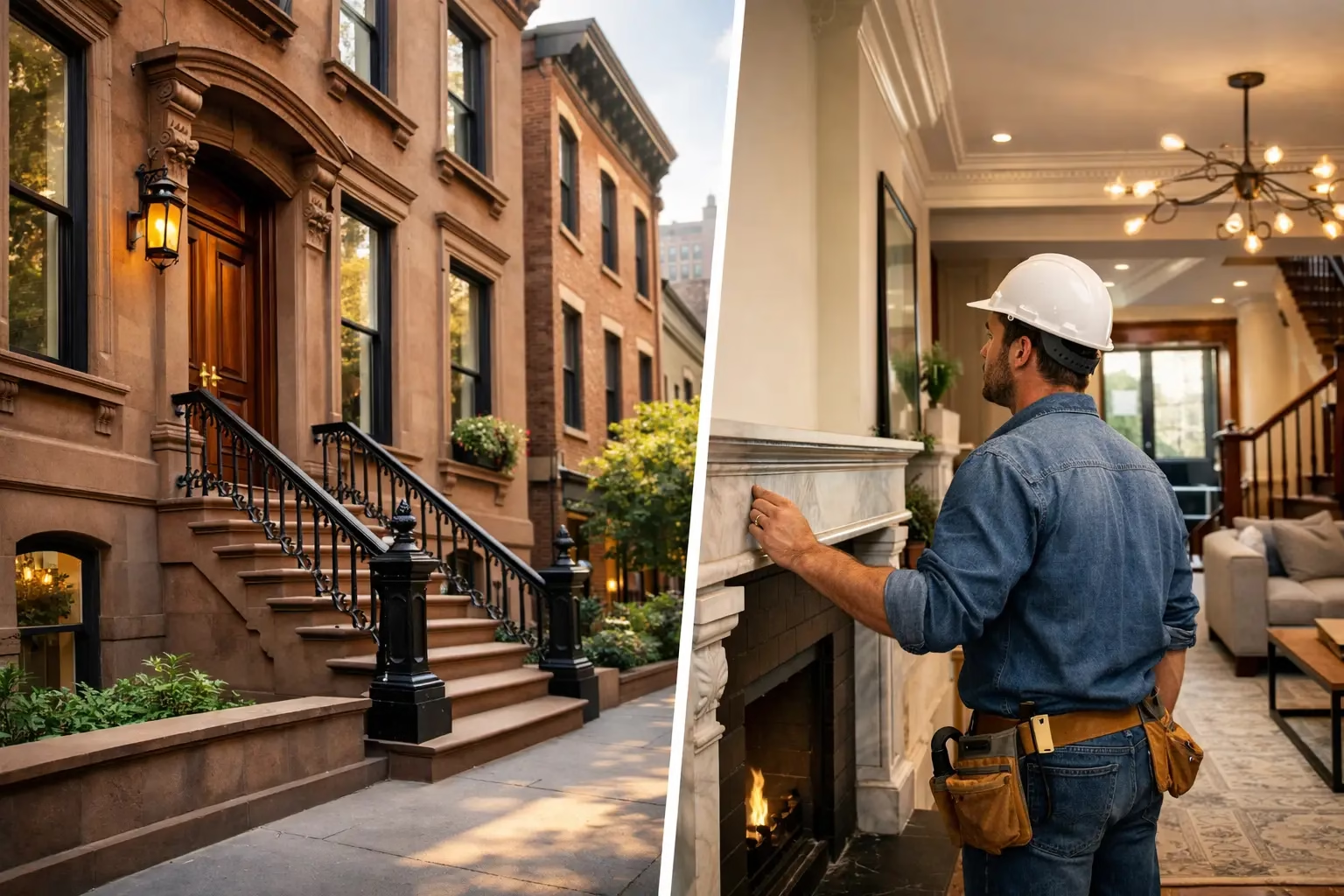
A brownstone can look solid from across the street while the real problems are already underway: loose facade material, open mortar joints, water behind the coating, cracked stoop treads, or a cornice that no longer drains properly. The best brownstone restoration examples are not cosmetic makeovers. They show how careful investigation, proper materials, and disciplined construction protect a historic NYC property before small defects become costly structural repairs.
For owners in Brooklyn neighborhoods such as Park Slope, Brooklyn Heights, Cobble Hill, and Bed-Stuy, restoration is usually a matter of priorities. One building may need selective facade patching and repainting. Another may need masonry repair, waterproofing, a rebuilt stoop, and roof work before any finish coat goes on. The right scope depends on the condition of the building, not just the appearance you want at the end.
Brownstone Restoration Examples by Project Type
The following examples reflect the kinds of conditions commonly found on aging NYC brownstones. They show what a practical restoration plan can include and why addressing the source of damage matters as much as restoring the visible finish.
Example 1: Restoring a Peeling, Cracked Brownstone Facade
A common project begins with a front facade that has peeling paint, hairline cracks, and areas of loose or hollow-sounding brownstone. It is tempting to scrape, patch, and repaint. That approach can work only when the substrate is stable and the cracks are truly superficial.
A proper repair starts by removing failed material back to sound masonry. The crew then examines the exposed areas for moisture entry, deteriorated backup brick, rusting metal, and damaged mortar joints. Loose sections are repaired, patches are built to match the surrounding profile, and compatible coating is applied after the surface has properly cured.
The visible result is a cleaner facade, but the real value is stopping continued delamination. If water is entering at an upper cornice, window lintel, roof edge, or open joint, those defects must be repaired first. Otherwise, fresh paint simply covers the next failure.
Example 2: Rebuilding a Brownstone Stoop With Safer Access
The stoop is one of the most recognizable features of a brownstone, and one of the hardest-working. Years of foot traffic, freeze-thaw cycles, salt, and water runoff can leave steps chipped, sloped, cracked, or loose. Railings may also be unstable or no longer meet current safety expectations.
In a full stoop restoration, deteriorated treads, risers, landings, and sidewalls are assessed before demolition begins. Sound components may be retained when possible, while failed concrete, stone, or masonry is removed and rebuilt. New work needs correct pitch so water moves away from the building rather than pooling against the entry.
A good stoop project also considers the railings, lower entrance, drainage, and adjoining sidewalk. These parts affect each other. Rebuilding only the top landing may be the budget-friendly choice when the rest is stable, but it is not the right answer when the supporting masonry is failing below.
Example 3: Repairing Brick Behind a Failed Brownstone Coating
Some facades have lost so much of their original brownstone finish that the brick backup wall is exposed. This is not unusual on older NYC properties. It can be repaired successfully, but only after the brickwork and mortar are evaluated.
In this type of restoration, damaged or spalled bricks may need replacement. Deteriorated mortar is removed to an appropriate depth and replaced through careful brick pointing. The goal is to restore weather resistance without using mortar that is too hard for the historic masonry. A rigid repair material can cause surrounding brick to crack or deteriorate faster over time.
Once the masonry is stable, the owner can decide whether to restore a brownstone-style finish, retain a cleaned brick appearance where appropriate, or complete a compatible facade system. Landmark rules, the original design, and the condition of the remaining facade all influence that decision. There is no one finish that fits every building.
Example 4: Cornice Repair That Stops Water Damage Below
A damaged cornice often creates problems far beyond the roofline. Cracks, loose decorative sections, failed flashing, and blocked drainage can send water down the face of the building. Over time, that moisture stains the facade, weakens patches, damages wood or metal elements, and may reach interior walls.
A complete cornice restoration can involve stabilizing loose material, repairing or recreating missing profiles, replacing deteriorated wood or metal, and correcting the flashing and drainage details behind it. The decorative work matters, especially on a historic block, but drainage is the part that protects the investment.
This is a strong example of why brownstone work should not be divided into isolated jobs. A facade contractor, roofer, painter, and masonry crew may all be needed if the underlying issue is not addressed in one coordinated scope. Working with one licensed and insured contractor can reduce handoffs and help keep responsibility clear from the roof edge to the sidewalk.
Example 5: Waterproofing a Garden-Level Brownstone Entrance
Garden-level and basement entries are especially vulnerable in NYC. Water can collect at stairwells, push through aging masonry, enter through failed joints, or travel in from damaged sidewalks and downspouts. The interior symptom may be peeling paint, a musty odor, cracked plaster, or repeated dampness after heavy rain.
A restoration plan may include repairing exterior masonry, rebuilding deteriorated stairwell walls, sealing appropriate exterior surfaces, improving drainage, and correcting downspout discharge. Inside, damaged plaster, framing, flooring, and paint can be repaired only after the moisture source is under control.
This sequence protects the budget. Finishing a basement before exterior water issues are corrected often leads to repeat work. For a property owner planning a rental unit, home office, or storage upgrade, water management should come before the cosmetic renovation.
What These Brownstone Restoration Examples Have in Common
The strongest projects begin with a condition assessment, not a paint color or a quick price. An experienced contractor looks for the connection between the symptom and the cause. A crack may result from movement, water, rusting embedded steel, deteriorated mortar, or an old repair that was never compatible with the building.
Material selection also matters. Historic brownstones need repair methods that account for moisture movement and the softer masonry often found in older construction. Fast-setting patch material or heavy coatings may look acceptable on day one but can trap moisture or fail at the edges. The lowest initial proposal is not always the most affordable repair if it skips preparation and creates another project in two years.
At the same time, full replacement is not always necessary. Selective restoration can be a smart, cost-conscious option when deterioration is limited and the supporting structure remains sound. The key is an honest scope that identifies what can be repaired, what needs rebuilding, and what should be monitored for future maintenance.
Planning the Work on a NYC Brownstone
Before construction starts, confirm whether the property is in a historic district and whether exterior work requires approvals or permits. Landmark requirements can affect facade colors, stoop details, window work, cornice profiles, and visible materials. A contractor should plan for that process rather than treating it as an afterthought.
Access is another practical issue. Sidewalk bridges, scaffolding, debris protection, neighbor coordination, and street conditions can affect both schedule and cost. On tight Brooklyn blocks, these details are part of the job, not extras. A clear estimate should explain the intended scope, preparation, repair areas, and expected sequence of work.
Owners should also ask how the project will be protected during construction. Proper safety practices, OSHA-aware site procedures, daily cleanup, and secure staging matter when people are entering and leaving the building every day. This is particularly important for occupied homes, multifamily properties, and commercial spaces.
Choose Repairs That Hold Up
Brownstone restoration should preserve the character that makes the property valuable while correcting the conditions that threaten it. Whether the need is facade repair, brick pointing, cornice restoration, stoop rebuilding, roofing, waterproofing, or interior repairs after a leak, the work should follow a clear order: stabilize, repair the cause, restore the finish.
Best Budget Construction provides practical restoration and renovation services for NYC property owners who need one dependable team to handle the connected parts of the job. A detailed on-site evaluation can separate a manageable repair from a larger restoration before the damage spreads. If your brownstone is showing cracks, loose material, water staining, or failing masonry, get a clear estimate and address it while the repair is still within reach.
