

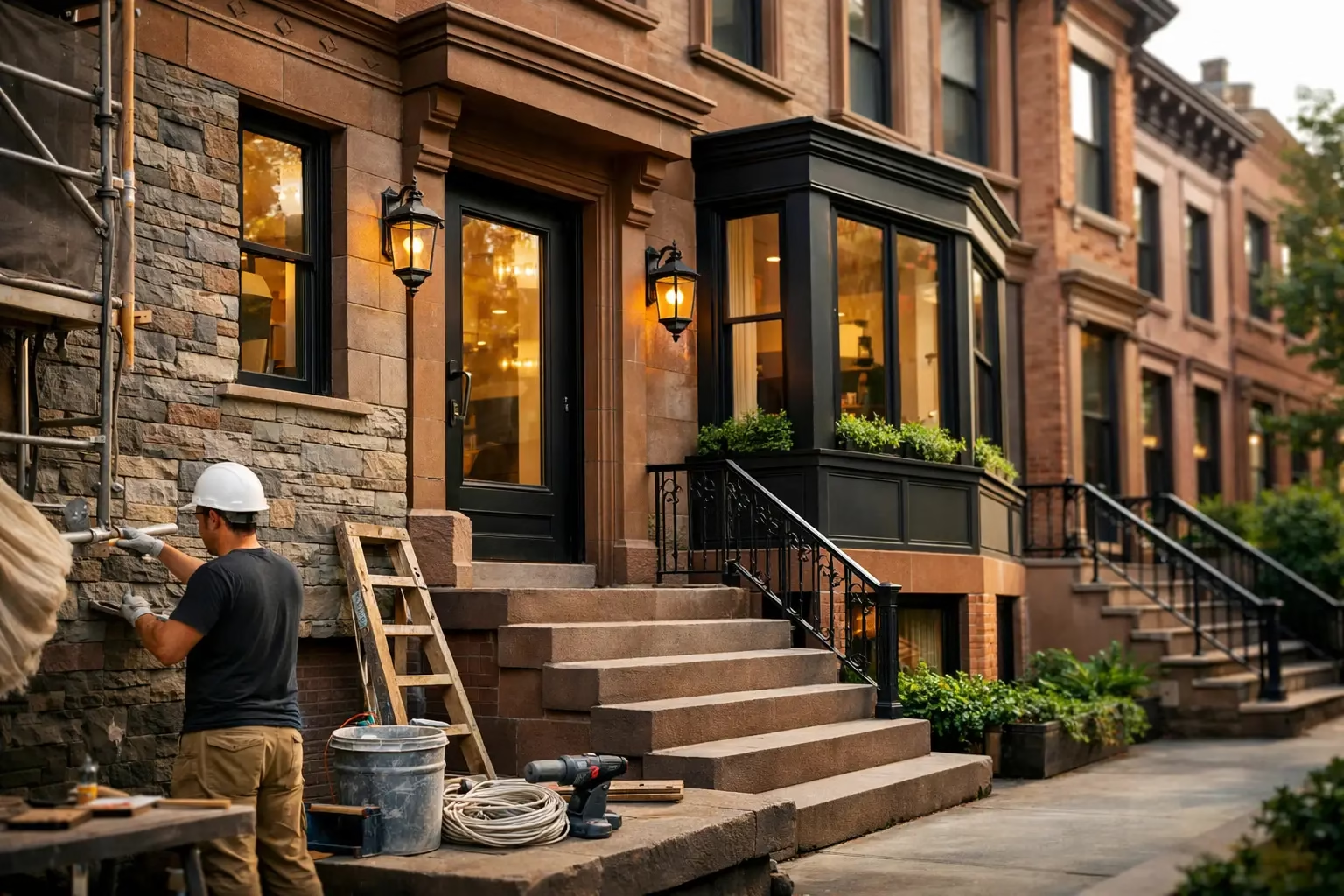
A brownstone facade can look solid from the sidewalk while water is already getting behind the finish, mortar joints are loosening, or a cracked cornice is becoming a safety issue. The best brownstone facade upgrades are not always the most dramatic ones. For Brooklyn homeowners and property managers, the right work protects the building first, then restores the curb appeal that makes a brownstone worth preserving.
A smart exterior project starts with a close inspection of the masonry, brownstone coating, steps, lintels, cornice, roofline, and drainage. In neighborhoods such as Park Slope, Brooklyn Heights, Cobble Hill, and Bed-Stuy, many facades have been patched repeatedly over decades. The goal is not to cover those problems with paint. It is to repair the source, use compatible materials, and make the front of the building durable enough for New York weather.
8 Best Brownstone Facade Upgrades for Lasting Results
1. Restore failing brownstone and stucco surfaces
Brownstone is a sandstone, and it does not behave like modern cement. Years of freeze-thaw cycles, moisture, salt, impact, and previous repairs can leave it flaking, cracked, or soft to the touch. In many cases, a specialized brownstone restoration coating or a carefully matched stucco system can rebuild damaged areas while maintaining the building’s original profile.
This upgrade makes sense when the facade has surface loss but the underlying masonry remains stable. Deep cracks, loose sections, or recurring deterioration may point to a drainage or structural problem that needs correction before finish work begins. A good repair should blend in, but it should also hold up through the next several winters.
2. Repoint deteriorated brick joints
Brick pointing is one of the highest-value facade upgrades because mortar joints are the building’s first line of defense against water entry. Crumbling, recessed, or cracked mortar lets rain penetrate behind the brick. That can lead to spalling, interior dampness, damaged framing, and more expensive repairs later.
Proper repointing means removing failed mortar to the appropriate depth, cleaning the joints, and installing mortar that is compatible with the existing brick. Mortar that is too hard can damage older brick by forcing moisture through the masonry instead of allowing it to escape through the joints. Color and joint profile also matter, especially on visible street-facing facades.
3. Repair or restore the cornice
A cracked, rotted, or loose cornice is more than an appearance problem. Cornices direct water away from the upper facade, windows, and roof edge. When they fail, water can travel down the wall and create damage that is not visible until it becomes severe.
Cornice restoration may involve repairing wood, patching metal, replacing damaged sections, rebuilding decorative profiles, or securing loose elements. The right approach depends on the material and condition. Some properties need localized repair; others need a larger restoration after years of deferred maintenance. Because overhead work affects public safety, this is not a place for temporary patching or unqualified labor.
4. Upgrade waterproofing where water actually enters
Waterproofing works best when it addresses a verified source of moisture. That source may be open mortar joints, failed flashing, cracked brownstone, roof drainage, window perimeter gaps, or water collecting at the stoop. Applying a coating without correcting the cause can trap moisture and speed up deterioration.
A facade waterproofing plan should begin with identifying how water moves across and behind the exterior. Depending on the building, the work may include masonry repairs, sealant replacement, flashing improvements, drainage correction, and breathable protective treatments. The right product matters, but preparation and repair work matter more.
5. Rebuild cracked stoops and front steps
The stoop is one of the hardest-working parts of a brownstone. It handles constant foot traffic, rain, snow, salt, and temperature swings. Hairline cracking may be cosmetic, but wide cracks, movement, loose treads, or crumbling edges should be evaluated promptly. A failing stoop creates a safety risk and can make an otherwise well-maintained property look neglected.
Stoop restoration can include concrete or brownstone patching, tread and riser repairs, masonry rebuilding, railing work, and waterproofing at the connection to the house. The finish should be slip-resistant and designed for exterior exposure. If water is pooling on the landing or at the base of the stairs, correcting slope and drainage should be part of the scope.
6. Replace damaged lintels, sills, and coping stones
Window lintels, stone sills, and parapet coping are small details with a large role in keeping water out. Rusting steel lintels can expand and crack the brick above a window. Broken sills allow water to run into the wall. Damaged coping at the parapet leaves the top of the masonry exposed, where leaks often begin.
These repairs are often best completed alongside pointing and facade restoration because access is already in place. Replacing or repairing deteriorated elements before repainting prevents the new finish from being damaged by the same underlying issue. It also gives the facade cleaner lines and a more finished appearance.
7. Add a durable exterior paint system
Fresh paint can transform a brownstone, but only after the substrate is sound. Paint applied over loose coating, damp masonry, open cracks, or failing caulk will peel quickly. The real upgrade is a proper surface preparation process: removing loose material, repairing defects, priming correctly, and applying a finish suited to the surface.
Color selection deserves practical thought. Deep, saturated colors can look excellent on a townhouse but may show fading or touch-ups more easily than mid-tone neutrals. Historic blocks may also have guidelines that affect exterior colors and details. A contractor should help you choose a system that matches the material, protects it, and fits the building rather than pushing a one-size-fits-all paint job.
8. Correct roofline drainage and flashing
Many facade problems begin above the facade. Overflowing gutters, missing leaders, poor roof drainage, and deteriorated flashing send water directly onto masonry that was never meant to stay wet. Over time, that water can stain the face of the building, wash out mortar, damage cornices, and contribute to leaks inside.
Improving drainage may mean repairing gutters and leaders, redirecting discharge, rebuilding flashing, sealing roof transitions, or correcting conditions at the parapet. This work is less visible than a new paint color, but it often delivers the best return because it protects every repair below it.
How to Prioritize Brownstone Facade Upgrades
If the budget does not allow for a full restoration, start with safety and water management. Loose cornice sections, unstable steps, major masonry cracks, roof leaks, and open joints should come before cosmetic painting. Once water is controlled and unstable materials are repaired, restoration finishes will last longer and look better.
It also helps to group related work. For example, cornice repair, roof flashing, parapet work, and upper-facade pointing often belong in one project because they use similar access and address the same water path. Likewise, a front-stoop repair can be paired with lower-facade patching, railing repairs, and entry waterproofing. Combining scopes can reduce repeat setup costs and prevent one contractor’s work from damaging another’s.
For landmarked properties, confirm whether the proposed work requires approval before selecting materials or starting construction. Restoration in historic districts may require close matching of mortar, color, profiles, windows, railings, or architectural details. A less expensive material is not always the economical choice if it creates a compliance issue or needs replacement soon after installation.
What a Reliable Facade Estimate Should Cover
A clear estimate should identify the damaged areas, the repair method, materials, access requirements, protection for the sidewalk and neighboring property, and the expected schedule. Vague proposals that only say “facade repair” make it difficult to compare bids and easy for necessary work to become an unexpected extra.
Ask whether the contractor will address the cause of deterioration, not simply patch the visible damage. Confirm licensing and insurance, especially when scaffolding, overhead cornice work, or sidewalk protection is involved. On an occupied building, you also need a team that can keep the site organized, follow OSHA safety practices, and communicate clearly about access and daily progress.
Best Budget Construction approaches brownstone restoration as a connected exterior system, from masonry and brick pointing to cornices, roofing, waterproofing, stoops, and professional painting. That broad scope helps property owners avoid the cost and confusion of coordinating separate crews for repairs that should work together.
The most useful next step is a hands-on facade assessment before another winter or heavy rain exposes a small issue. Request a detailed, no-pressure estimate, prioritize the repairs that protect the building, and make cosmetic improvements only after the exterior is ready to hold them.
