

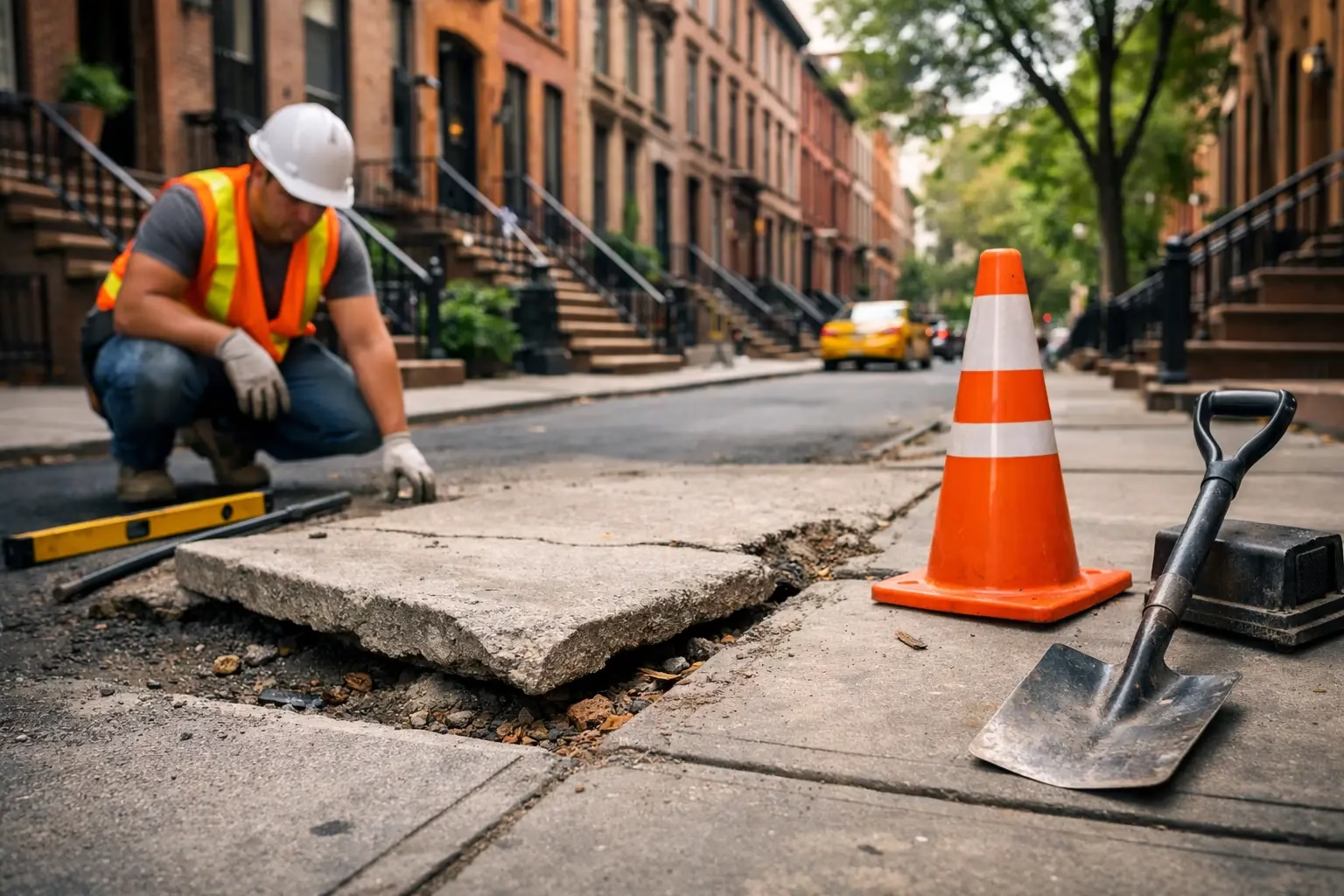
A raised sidewalk slab outside a Brooklyn brownstone can look like a small maintenance issue until a tenant, delivery driver, or passerby catches a shoe on it. This sidewalk trip hazard guide is for NYC property owners and managers who need to identify unsafe walking conditions early, understand what repair may involve, and avoid letting a manageable concrete problem become a larger liability.
In dense neighborhoods, sidewalks take constant abuse from foot traffic, tree roots, freeze-thaw cycles, utility work, moving carts, and years of patch repairs. A safe sidewalk is not just about curb appeal. It protects the people using the property and helps keep your building entrance, storefront, or residential frontage in good working condition.
What Counts as a Sidewalk Trip Hazard?
A trip hazard is any sidewalk condition that creates an unexpected change in the walking surface. The most familiar example is a lifted concrete flag, where one slab sits higher than the next. But hazards are not limited to visible height differences. A deep crack, broken corner, sunken section, loose patch, open joint, or uneven transition at a driveway can cause someone to stumble.
The condition matters more than whether it looks dramatic from the street. A small offset can be enough to catch the toe of a shoe, especially at night, in rain, or when the area is crowded. Water pooling near an entrance adds another concern because algae, ice, and slick surfaces can turn uneven concrete into a fall risk.
For commercial operators and multifamily owners, look closely at the path between the curb and the front door. This is where customers, tenants, visitors, package carriers, and maintenance workers walk every day. A hazard near steps, gates, cellar doors, ramps, or storefront entrances deserves prompt attention because people may be distracted or carrying items.
Sidewalk Trip Hazard Guide: How to Inspect Your Frontage
A practical inspection does not require special equipment. Walk the full sidewalk frontage in daylight, then look again after rain if drainage has been an issue. View the surface from both directions. Changes in elevation are often easier to see when the light hits the concrete at an angle.
Pay attention to these common warning signs:
- Concrete slabs that have lifted, settled, tilted, or separated from adjacent flags
- Cracks that are widening, crumbling at the edges, or creating loose pieces
- Tree roots pushing up slabs or opening joints near street trees
- Areas that hold water, ice over in winter, or drain toward the building
- Temporary patches, asphalt fills, or metal plates that are breaking down
- Uneven transitions at curbs, driveways, basement access doors, and entry steps
Take clear photos and note the location of each concern. For larger properties, a simple frontage map helps a manager track which issues are getting worse. This documentation is useful when requesting repair estimates, coordinating with a tree-related agency issue, or showing that you acted promptly after discovering a problem.
Do not assume a freshly painted patch or a thin layer of cement has solved the issue. Cosmetic work can hide a damaged surface for a short time, but it will not correct movement below the slab, poor drainage, or deteriorated concrete.
Why NYC Sidewalks Become Uneven
Sidewalk problems usually have a cause beneath or around the concrete. Repairing only the top surface without addressing that cause can lead to another failure soon after.
Tree roots are a frequent factor throughout Brooklyn and other established NYC neighborhoods. Roots follow moisture and available space, then gradually lift sidewalk flags. The goal is not to cut roots without a plan. Improper root cutting can damage a street tree, create future instability, and lead to a problem with the appropriate city agency. A qualified contractor can assess the affected flags and explain whether the repair should be coordinated with tree-related work.
Water is another major cause. Poor grading, clogged drainage paths, leaking leaders, or runoff from the property can wash out the base below a sidewalk. The concrete may then settle, crack, or rock underfoot. On brownstone blocks, water management around the stoop, areaway, basement entry, and facade often needs to be reviewed alongside the sidewalk repair.
Age and previous repairs also matter. Many NYC sidewalks are made up of individual concrete flags installed at different times. When a patch is placed over failing material or an old slab is repaired instead of replaced, the finished surface may not hold up through another winter. Heavy construction traffic, delivery vehicles crossing where they should not, and utility cuts can add stress as well.
Choosing the Right Sidewalk Repair
The best repair depends on the extent of the damage, the condition of the base, drainage, and what is causing the movement. There is no one repair method that fits every sidewalk.
For a minor surface defect, a contractor may be able to remove loose material, prepare the area correctly, and install a durable cement repair. This can be a cost-conscious option when the slab itself is sound and the repair will create a level, stable walking surface. It is not the right choice for a slab that is badly lifted, cracked through, or moving under pressure.
When one or more sidewalk flags are broken, settled, or raised, removal and replacement is often the more dependable solution. The damaged concrete is removed, the base is evaluated and corrected as needed, and new concrete is installed to create proper alignment and drainage. This approach costs more than a quick patch, but it generally provides a better long-term result when the underlying issue has been addressed.
Grinding or shaving a raised edge can sometimes reduce a small offset. It may be appropriate in limited situations, particularly when replacement would be excessive for the condition. However, grinding does not fix a growing root problem, a washed-out base, or a slab that continues to shift. It can also leave a thinner edge that deteriorates faster if the work is not done carefully.
Temporary measures have a place when an immediate hazard needs to be controlled before permanent work can begin. Marking the area, restricting access where possible, and scheduling a prompt repair is better than leaving the condition unattended. Still, temporary patches should not become a permanent maintenance strategy.
NYC Permits, Responsibility, and Professional Repair
In New York City, sidewalk repair can involve city requirements, permits, inspections, and specific standards for concrete work. Responsibility for maintenance often falls on the adjacent property owner, but the details can depend on the condition, location, building type, and whether a street tree or utility issue is involved.
Before work starts, confirm what approvals are needed for your specific frontage. This is especially important if the project affects a curb cut, tree pit, vault, utility area, or public sidewalk. A contractor experienced with NYC sidewalk work can help identify the scope, explain the work sequence, and prepare an estimate that accounts for proper removal, concrete placement, site protection, and cleanup.
Avoid hiring based on the lowest price alone. An unusually cheap quote may leave out demolition, base preparation, debris removal, permits, insurance, or the finishing work needed to match the existing sidewalk. Ask what is included, how the area will be protected during curing, and what the contractor sees as the cause of the damage. Clear answers upfront help prevent surprise costs later.
For property owners, licensed and insured work also matters. Sidewalk repairs take place in a public walking area, so safe job setup, pedestrian protection, and OSHA-conscious work practices are part of doing the job responsibly.
Prevent Problems Before They Spread
A sidewalk does not need to be completely failed before it deserves attention. Inspect the frontage after winter, after major storms, and whenever you see standing water or new cracks. Keep leaders and drainage routes working properly, and do not let loose concrete, broken patching, or open joints sit for a season.
If you manage several buildings, add sidewalk checks to your regular exterior maintenance schedule. Pair them with inspections of masonry, stoops, railings, roof drainage, and basement waterproofing. These systems affect one another, particularly on older NYC properties where water can travel through a number of weak points.
A prompt, properly scoped repair is usually more affordable than waiting for slabs to break further or for a small drainage problem to undermine a larger section of concrete. Best Budget Construction provides straightforward sidewalk repair evaluations for Brooklyn and NYC property owners who want dependable work, transparent estimates, and one contractor able to address related masonry, drainage, and exterior repair needs.
If your sidewalk has started to lift, crack, settle, or hold water, photograph the condition and arrange an on-site assessment before foot traffic turns it into a bigger problem. The right repair begins with finding out why the concrete moved in the first place.
