

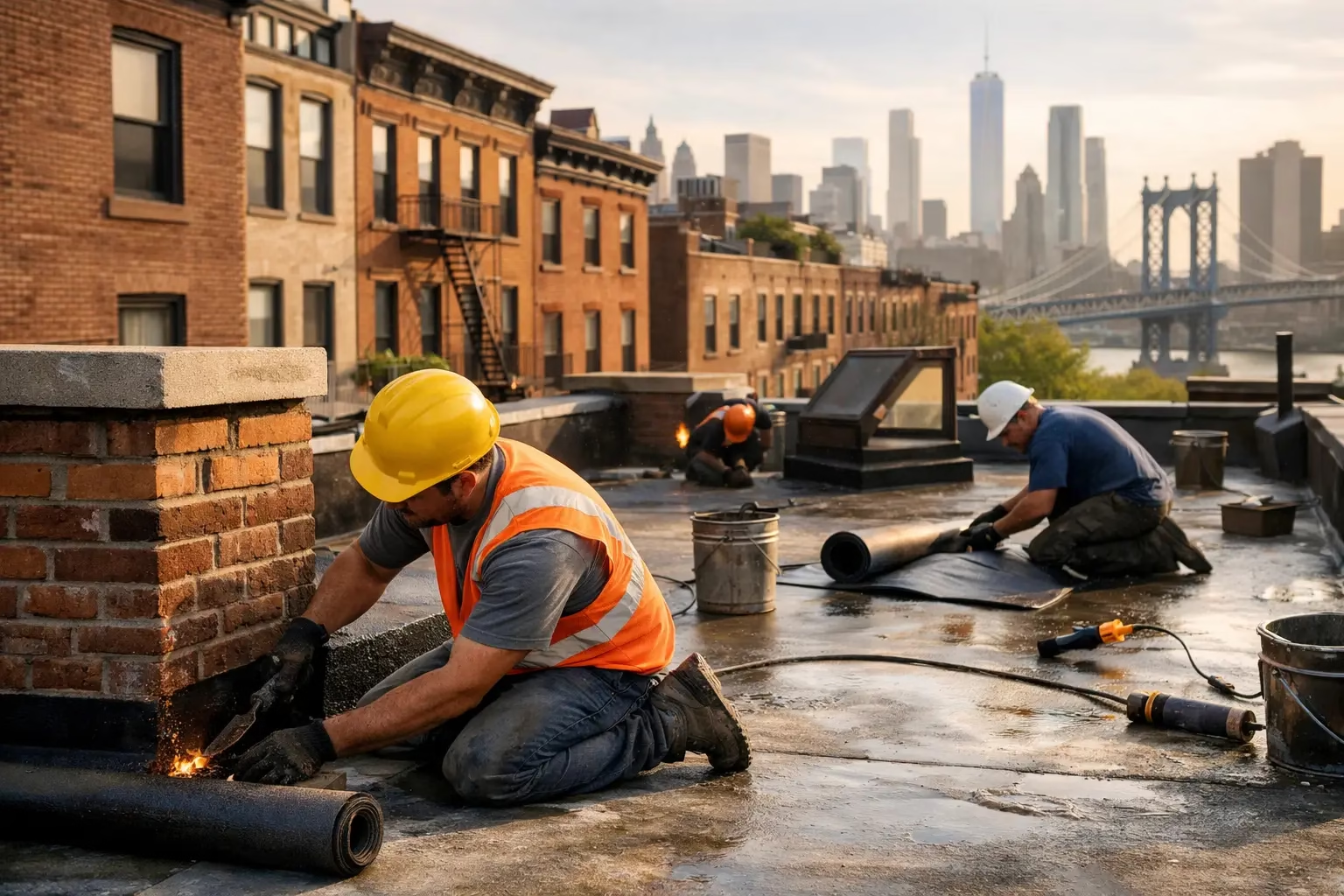
A wet ceiling stain in a Brooklyn brownstone is rarely just a paint problem. Water can travel along roof framing, behind a masonry wall, through a failed window joint, or down a foundation wall before it appears indoors. These waterproofing repair examples show why finding the entry point matters more than covering the visible damage.
For NYC homeowners, landlords, and property managers, the right repair depends on the building’s age, material, exposure, and maintenance history. A flat-roof leak needs a different solution than a damp cellar in Park Slope or an eroding brick facade in Brooklyn Heights. Good waterproofing is targeted work: stop the water, repair the damaged surface, and correct the condition that allowed the failure.
1. Flat Roof Membrane Repair
Flat and low-slope roofs are common throughout New York City, particularly on row houses, multifamily buildings, and small commercial properties. Ponding water, cracked seams, punctures from roof traffic, failed flashing, and clogged drains can all let water pass beneath the membrane.
A proper repair begins with locating the failure, not simply coating the entire roof. Small localized damage may be handled with a compatible membrane patch and reinforced flashing repair. If seams are opening in several areas, the roof may need more extensive restoration or replacement. Applying a coating over wet insulation, loose membrane, or damaged flashing can trap moisture and delay the larger repair rather than solve it.
Roof waterproofing should also include drain and scupper checks. Water that has nowhere to go will keep testing every seam and penetration on the roof.
2. Foundation Wall Waterproofing for Damp Basements
A basement wall that feels damp, shows white powdery residue, or develops peeling paint is often dealing with water pressure from the soil outside. That white residue, called efflorescence, is a sign that moisture is moving through masonry and leaving mineral salts behind.
One common repair is exterior foundation waterproofing. The contractor excavates along the affected wall, cleans and repairs the masonry, applies a waterproofing system, and addresses drainage before backfilling. This is usually the more complete approach because it stops groundwater before it reaches the foundation wall.
Interior waterproofing can be a practical option when exterior access is limited by sidewalks, neighboring structures, landscaping, or cost. It may involve repairing cracks, installing an interior drainage channel, and directing water to a sump system. Interior systems manage water after it reaches the wall, while exterior work is intended to block it at the source. The best choice depends on access, the severity of the leak, and the building’s drainage conditions.
3. Brick Repointing and Masonry Waterproofing
Older brick buildings are built to shed water through sound mortar joints, properly installed flashing, and breathable masonry. When mortar becomes soft, cracked, or missing, rain can enter the wall assembly. Freeze-thaw cycles then widen the damage, causing loose brick faces, interior stains, and recurring leaks around windows or parapets.
The repair usually starts with repointing. Failed mortar is carefully removed to the appropriate depth and replaced with compatible new mortar. Damaged bricks may need replacement, and cracks around lintels, coping stones, or parapet walls should be addressed at the same time.
A breathable water-repellent treatment may be appropriate after the masonry repairs have cured, but it is not a substitute for repointing. This is one of the most misunderstood waterproofing repair examples. Sealing a wall with failing joints can hide the symptom while water continues to enter through open mortar or defective flashing. Historic brownstone and brick properties require special care because overly hard mortar or non-breathable coatings can damage older masonry.
4. Parapet Wall and Coping Stone Repairs
Parapet walls take direct exposure to rain, snow, wind, and temperature changes. On NYC roofs, water often enters through cracked coping stones, open joints, failed metal caps, deteriorated stucco, or loose flashing where the roof membrane meets the parapet.
A lasting repair may include rebuilding loose masonry, repointing joints, resetting or replacing coping stones, and installing or repairing metal coping. The roof flashing must be integrated correctly with the parapet repair. If only the roof surface is patched while the parapet remains open, water can continue to enter behind the membrane.
This work is especially important before winter. Water inside cracks expands when it freezes, turning a small maintenance issue into a loose-brick safety concern. For a landlord or building owner, prompt parapet repair can prevent interior damage and reduce the risk of falling masonry.
5. Window Perimeter Leak Repair
Not every wall leak comes through the wall itself. Water frequently enters around window frames where caulk has failed, flashing is missing, sill pitches are wrong, or masonry cracks have formed near the opening. The leak may show up as staining below a window, soft drywall, bubbling paint, or mold around trim.
The correct repair starts with inspecting the exterior window perimeter. Failed sealant should be removed and replaced with a suitable exterior-grade sealant. Cracked mortar, damaged brick, and failed flashing need repair as well. If the window itself is warped, improperly installed, or beyond its service life, replacing the window may be the more economical long-term decision.
Caulking alone is not always enough. It works when the joint is the actual failure. It will not correct a leaking sill pan, a cracked lintel, or water entering from an open parapet several feet above the window.
6. Stucco Crack Repair and Moisture Protection
Stucco can develop hairline cracks from building movement, impacts, age, or poor installation. Very fine surface cracks may be cosmetic, but wider cracks and areas with hollow-sounding or loose stucco can allow water behind the finish. Once water gets behind stucco, it can affect the substrate and cause sections to separate from the wall.
Repair work may involve opening damaged sections, correcting the substrate, installing proper reinforcement, and applying a compatible stucco repair. Cracks should be evaluated before they are simply filled. A recurring crack near a window corner or structural transition can point to movement that needs a broader solution.
After repairs, a suitable protective finish can help the wall resist weather. The system must still allow the assembly to perform correctly. For older buildings, the wrong coating can trap moisture and create blistering or spalling beneath the surface.
7. Sidewalk and Areaway Waterproofing
Sidewalk vaults, cellar doors, areaways, and exterior stairs are frequent trouble spots in dense city properties. Water can enter through cracked concrete, failed joints around cellar doors, deteriorated brick steps, or improper slope that directs rain toward the building.
A repair may include concrete crack repair, joint sealing, rebuilding damaged steps, waterproofing the below-grade wall, and correcting drainage. Cellar doors should close tightly and have sound flashing or perimeter seals. If water is collecting at the bottom of an areaway, adding or repairing a drain may be necessary.
This type of work often requires coordination because it affects pedestrian areas, access points, and sometimes city-regulated sidewalks. Safety matters as much as water control. Loose concrete, uneven pavers, and deteriorated steps can become liability issues for owners and commercial operators.
8. Interior Water Damage Repair After the Source Is Fixed
Once the exterior or plumbing source has been corrected, interior finishes can be restored. This may include removing wet drywall, treating affected framing as needed, replacing insulation, repairing plaster, repainting, and restoring damaged flooring or trim.
The order matters. Painting over a ceiling stain before the roof, flashing, or masonry leak is repaired only creates a short-lived cosmetic fix. Materials should be allowed to dry properly, and concealed damage should be checked before walls are closed. In rental properties, this also helps protect tenant comfort and prevents recurring maintenance calls.
How to Choose the Right Waterproofing Repair
The visible stain is not enough information to prescribe a repair. A dependable assessment looks at when the leak occurs, whether it follows wind-driven rain or heavy storms, where water appears, and what is directly above or outside that location. Roof leaks can travel far from the actual opening. Basement moisture can result from groundwater, plumbing, poor grading, or a combination of problems.
For larger work, ask whether the contractor will address related conditions such as flashing, drains, masonry joints, and damaged interior finishes. Waterproofing repairs perform best when the connected building components are handled together rather than divided among multiple crews with no clear responsibility.
Best Budget Construction provides licensed, insured waterproofing, roofing, masonry, facade, and interior repair services for Brooklyn and NYC properties. A clear site inspection and written estimate help property owners understand the repair scope before work begins.
If you see recurring stains, crumbling mortar, wet basement walls, or water around windows after rain, act before the next storm makes the damage more expensive. The most cost-conscious repair is usually the one that stops water at its real entry point and protects the building for years, not weeks.
