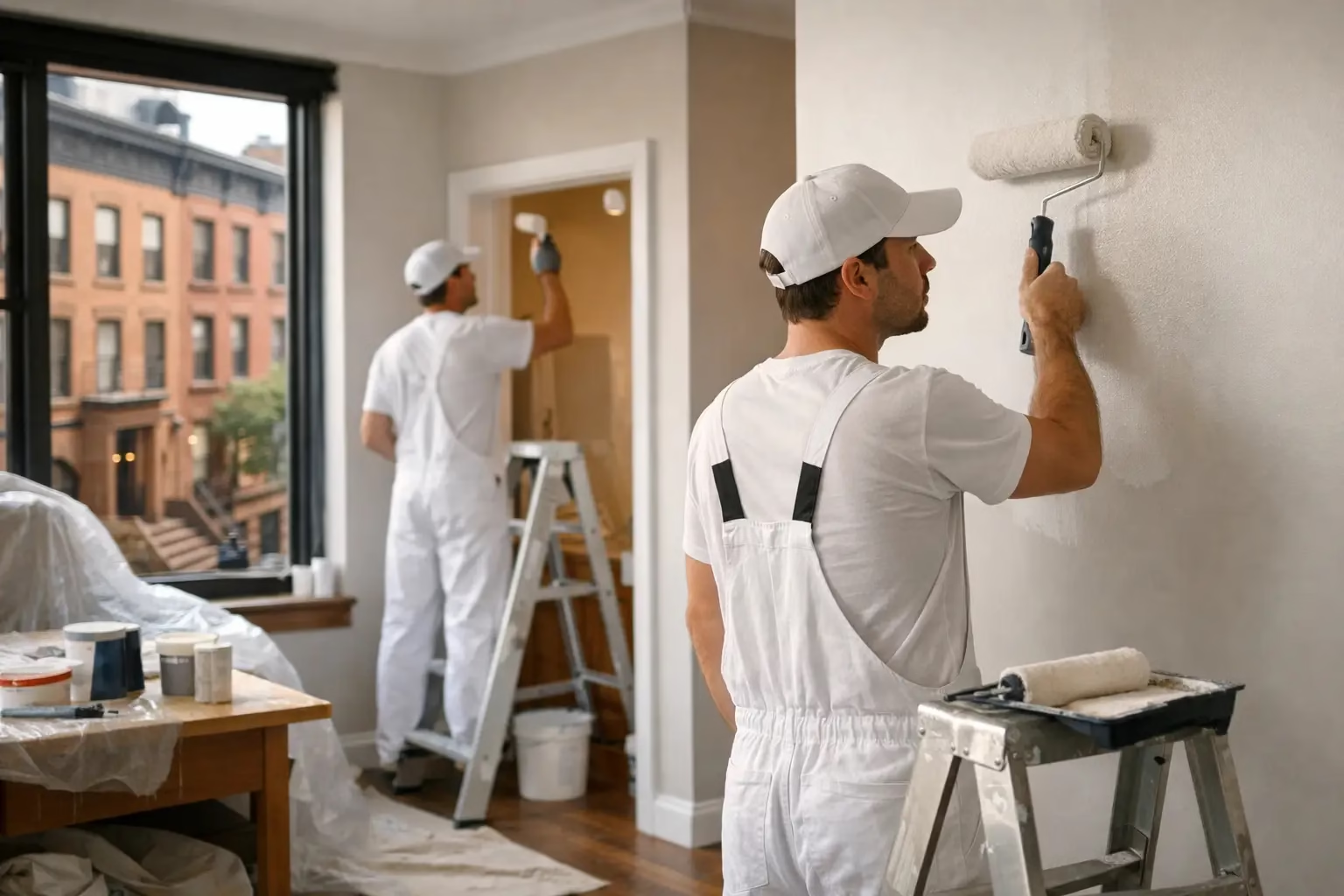
Interior House Painters Near Me in Brooklyn

Interior House Painters Near Me in Brooklyn

A fresh coat of paint can make a Brooklyn apartment, brownstone parlor, rental unit, or small business look completely different. But when you search for interior house painters near me, the real question is not simply who can apply paint. You need a contractor who can protect your property, repair what is behind the old paint, work cleanly in a lived-in space, and give you a straightforward estimate before the job starts.

In New York City, interior painting often comes with complications that do not show up in a quick online search. Plaster cracks, water stains, uneven walls, old trim, tenant scheduling, tight stairwells, and historic details all affect the scope of work. A dependable painter looks at the full condition of the space so the finish lasts and the price makes sense.

What to Expect From Interior House Painters Near Me

A professional interior paint job starts long before the first wall is rolled. Proper preparation is where quality is won or lost. If peeling paint, nail holes, settling cracks, stains, or damaged drywall are painted over, they will still be visible after the room dries. In some cases, they may return quickly.

A qualified contractor should inspect surfaces, identify needed repairs, and explain what is included in the estimate. For a typical NYC interior painting project, that may involve protecting floors and furniture, patching minor wall damage, sanding rough areas, caulking trim gaps, priming repaired surfaces, and applying the appropriate number of finish coats.

The exact scope depends on the building and the condition of the room. A recently renovated condo may only need careful masking and repainting. An older Park Slope or Brooklyn Heights brownstone may require plaster repair, detailed trim work, stain blocking, and more extensive preparation. The lowest price is not always the best value if important prep work has been left out.

Surface Repairs Matter as Much as Paint Color

Walls in NYC properties take a lot of use. Moving furniture through narrow halls can leave dents. Radiator heat can dry and crack old plaster. Past leaks may leave yellow or brown stains on ceilings. Tenants may have installed shelves, televisions, or window treatments that leave behind holes and anchors.

Painting is an opportunity to correct those issues, but only if the contractor addresses them before coating the surface. Small repairs can usually be handled as part of a painting scope. Larger water damage, loose plaster, recurring moisture, or failing drywall may require a separate repair plan. A reliable contractor will tell you the difference instead of covering up a problem that needs attention.

Clean Work Is Not Optional

Interior work happens where people live and work. That means crews should take dust control, floor protection, ventilation, and daily cleanup seriously. For occupied apartments and commercial spaces, scheduling also matters. The work needs to move forward without leaving your home unusable or disrupting tenants and customers longer than necessary.

Ask how furniture will be protected, whether the crew will move light items, how paint odors will be managed, and what the daily cleanup process looks like. Clear expectations prevent small frustrations from becoming major issues halfway through the project.

How to Choose an Interior Painting Contractor in NYC

Start with the estimate, not just the final number. A useful estimate describes the rooms or surfaces being painted, the preparation and repairs included, the paint system, the number of coats, and any exclusions. If ceilings, closets, doors, baseboards, crown molding, or window trim are not clearly listed, ask before approving the job.

Licensed and insured contractors are especially important in New York City, where building rules, co-op requirements, and tight work conditions can add layers to a simple project. If your property manager requires certificates of insurance, elevator protection, or limited work hours, bring that information up during the estimate. A contractor familiar with urban properties can plan around those requirements instead of treating them as an unexpected delay.

Experience with older construction is also valuable. Historic brownstones and prewar buildings may have uneven plaster, decorative millwork, original doors, or previous layers of paint that need special care. A rushed crew can damage details that are expensive to restore. The right team understands when a surface needs repair, when it needs a primer, and when extra handwork is worth the time.

Questions That Help You Compare Painters

When comparing interior house painters near you, ask practical questions that reveal how the contractor manages the job. You want clear answers about preparation, materials, timing, and responsibility.

Ask whether the quote includes patching and sanding, primer where needed, and two finish coats. Confirm who supplies the paint and whether the estimate includes materials. Discuss the expected start date, working hours, projected completion date, and whether the same crew will remain on the project. It is also smart to ask how change requests are priced if you decide to add another room, repair hidden damage, or change the finish level after work begins.

For landlord and property management work, clarify access and turnover needs. An empty rental can often be painted faster than an occupied unit, but it may still need drywall repair, odor sealing, ceiling stain treatment, and trim touch-ups before the next tenant moves in. A detailed walk-through can keep the turnover on schedule.

Choosing Paint Finishes for Real NYC Living

Paint color gets most of the attention, but sheen affects how a room performs over time. Flat paint can hide minor wall imperfections and is often used on ceilings. Eggshell and satin are common choices for living areas because they offer a modest sheen and are easier to clean than flat finishes. Semi-gloss is frequently used on trim, doors, kitchens, and bathrooms because it stands up well to moisture and repeated cleaning.

There is a trade-off. Higher-sheen paint is more washable, but it can expose uneven walls and poorly prepared surfaces. In an older home with visible plaster movement, a lower-sheen wall finish may look better. In a busy hallway, children’s room, rental unit, or commercial space, durability may be the stronger priority.

Bathrooms and kitchens need additional planning. Moisture, steam, grease, and frequent cleaning can wear down ordinary paint. Proper surface cleaning, repair, primer, and a suitable finish help reduce peeling and staining. If there is ongoing moisture from a leak, failed caulk, poor ventilation, or exterior water intrusion, that issue should be corrected before repainting.

Why One Contractor Can Save Time and Money

Painting projects often uncover related work. A ceiling stain may point to a roof or plumbing issue. Cracked walls may need interior repair. Damaged window trim, loose baseboards, worn bathroom caulk, or failing plaster can make a newly painted room look unfinished if they are ignored.

Working with a full-service contractor can reduce the need to coordinate separate painters, handymen, repair crews, and restoration specialists. Best Budget Construction handles interior painting alongside repairs, remodeling, waterproofing, masonry, and restoration work, which can be useful when a painting project is part of a larger property improvement plan.

That does not mean every paint job needs a full renovation. Sometimes a clean repaint is the right, cost-conscious answer. The value comes from having a contractor who can accurately identify what needs immediate work, what can wait, and what should not be painted over.

Get a Clear Interior Painting Estimate

Before requesting an estimate, make a short list of the rooms you want painted and note any visible damage, stains, peeling areas, or trim concerns. If you know your preferred colors, finishes, and timing, share those details. Photos can help begin the conversation, but an on-site review is often the best way to price preparation work accurately.

A good estimate should leave you knowing what will be painted, how surfaces will be prepared, what materials are included, and how the work will be scheduled. That clarity protects your budget and gives the crew a realistic path to an on-time result.

Your walls, ceilings, doors, and trim are the surfaces you see every day. Choose a licensed, insured painting contractor that treats the preparation, protection, and final cleanup with the same care as the final coat of paint, then request a free estimate for work that fits your property and your schedule.
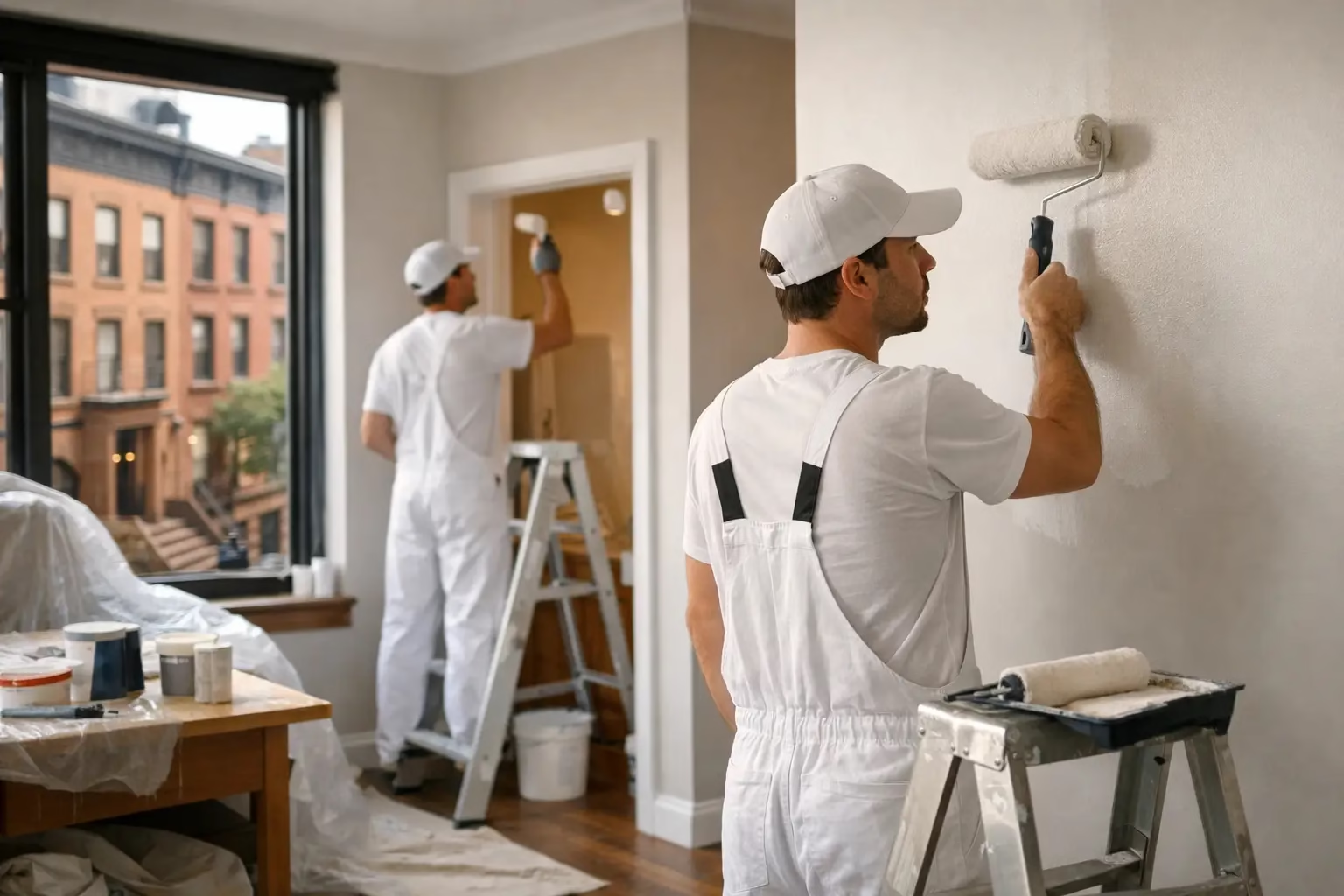
Interior House Painters Near Me in Brooklyn

Interior House Painters Near Me in Brooklyn

A fresh coat of paint can make a Brooklyn apartment, brownstone parlor, rental unit, or small business look completely different. But when you search for interior house painters near me, the real question is not simply who can apply paint. You need a contractor who can protect your property, repair what is behind the old paint, work cleanly in a lived-in space, and give you a straightforward estimate before the job starts.

In New York City, interior painting often comes with complications that do not show up in a quick online search. Plaster cracks, water stains, uneven walls, old trim, tenant scheduling, tight stairwells, and historic details all affect the scope of work. A dependable painter looks at the full condition of the space so the finish lasts and the price makes sense.

What to Expect From Interior House Painters Near Me

A professional interior paint job starts long before the first wall is rolled. Proper preparation is where quality is won or lost. If peeling paint, nail holes, settling cracks, stains, or damaged drywall are painted over, they will still be visible after the room dries. In some cases, they may return quickly.

A qualified contractor should inspect surfaces, identify needed repairs, and explain what is included in the estimate. For a typical NYC interior painting project, that may involve protecting floors and furniture, patching minor wall damage, sanding rough areas, caulking trim gaps, priming repaired surfaces, and applying the appropriate number of finish coats.

The exact scope depends on the building and the condition of the room. A recently renovated condo may only need careful masking and repainting. An older Park Slope or Brooklyn Heights brownstone may require plaster repair, detailed trim work, stain blocking, and more extensive preparation. The lowest price is not always the best value if important prep work has been left out.

Surface Repairs Matter as Much as Paint Color

Walls in NYC properties take a lot of use. Moving furniture through narrow halls can leave dents. Radiator heat can dry and crack old plaster. Past leaks may leave yellow or brown stains on ceilings. Tenants may have installed shelves, televisions, or window treatments that leave behind holes and anchors.

Painting is an opportunity to correct those issues, but only if the contractor addresses them before coating the surface. Small repairs can usually be handled as part of a painting scope. Larger water damage, loose plaster, recurring moisture, or failing drywall may require a separate repair plan. A reliable contractor will tell you the difference instead of covering up a problem that needs attention.

Clean Work Is Not Optional

Interior work happens where people live and work. That means crews should take dust control, floor protection, ventilation, and daily cleanup seriously. For occupied apartments and commercial spaces, scheduling also matters. The work needs to move forward without leaving your home unusable or disrupting tenants and customers longer than necessary.

Ask how furniture will be protected, whether the crew will move light items, how paint odors will be managed, and what the daily cleanup process looks like. Clear expectations prevent small frustrations from becoming major issues halfway through the project.

How to Choose an Interior Painting Contractor in NYC

Start with the estimate, not just the final number. A useful estimate describes the rooms or surfaces being painted, the preparation and repairs included, the paint system, the number of coats, and any exclusions. If ceilings, closets, doors, baseboards, crown molding, or window trim are not clearly listed, ask before approving the job.

Licensed and insured contractors are especially important in New York City, where building rules, co-op requirements, and tight work conditions can add layers to a simple project. If your property manager requires certificates of insurance, elevator protection, or limited work hours, bring that information up during the estimate. A contractor familiar with urban properties can plan around those requirements instead of treating them as an unexpected delay.

Experience with older construction is also valuable. Historic brownstones and prewar buildings may have uneven plaster, decorative millwork, original doors, or previous layers of paint that need special care. A rushed crew can damage details that are expensive to restore. The right team understands when a surface needs repair, when it needs a primer, and when extra handwork is worth the time.

Questions That Help You Compare Painters

When comparing interior house painters near you, ask practical questions that reveal how the contractor manages the job. You want clear answers about preparation, materials, timing, and responsibility.

Ask whether the quote includes patching and sanding, primer where needed, and two finish coats. Confirm who supplies the paint and whether the estimate includes materials. Discuss the expected start date, working hours, projected completion date, and whether the same crew will remain on the project. It is also smart to ask how change requests are priced if you decide to add another room, repair hidden damage, or change the finish level after work begins.

For landlord and property management work, clarify access and turnover needs. An empty rental can often be painted faster than an occupied unit, but it may still need drywall repair, odor sealing, ceiling stain treatment, and trim touch-ups before the next tenant moves in. A detailed walk-through can keep the turnover on schedule.

Choosing Paint Finishes for Real NYC Living

Paint color gets most of the attention, but sheen affects how a room performs over time. Flat paint can hide minor wall imperfections and is often used on ceilings. Eggshell and satin are common choices for living areas because they offer a modest sheen and are easier to clean than flat finishes. Semi-gloss is frequently used on trim, doors, kitchens, and bathrooms because it stands up well to moisture and repeated cleaning.

There is a trade-off. Higher-sheen paint is more washable, but it can expose uneven walls and poorly prepared surfaces. In an older home with visible plaster movement, a lower-sheen wall finish may look better. In a busy hallway, children’s room, rental unit, or commercial space, durability may be the stronger priority.

Bathrooms and kitchens need additional planning. Moisture, steam, grease, and frequent cleaning can wear down ordinary paint. Proper surface cleaning, repair, primer, and a suitable finish help reduce peeling and staining. If there is ongoing moisture from a leak, failed caulk, poor ventilation, or exterior water intrusion, that issue should be corrected before repainting.

Why One Contractor Can Save Time and Money

Painting projects often uncover related work. A ceiling stain may point to a roof or plumbing issue. Cracked walls may need interior repair. Damaged window trim, loose baseboards, worn bathroom caulk, or failing plaster can make a newly painted room look unfinished if they are ignored.

Working with a full-service contractor can reduce the need to coordinate separate painters, handymen, repair crews, and restoration specialists. Best Budget Construction handles interior painting alongside repairs, remodeling, waterproofing, masonry, and restoration work, which can be useful when a painting project is part of a larger property improvement plan.

That does not mean every paint job needs a full renovation. Sometimes a clean repaint is the right, cost-conscious answer. The value comes from having a contractor who can accurately identify what needs immediate work, what can wait, and what should not be painted over.

Get a Clear Interior Painting Estimate

Before requesting an estimate, make a short list of the rooms you want painted and note any visible damage, stains, peeling areas, or trim concerns. If you know your preferred colors, finishes, and timing, share those details. Photos can help begin the conversation, but an on-site review is often the best way to price preparation work accurately.

A good estimate should leave you knowing what will be painted, how surfaces will be prepared, what materials are included, and how the work will be scheduled. That clarity protects your budget and gives the crew a realistic path to an on-time result.

Your walls, ceilings, doors, and trim are the surfaces you see every day. Choose a licensed, insured painting contractor that treats the preparation, protection, and final cleanup with the same care as the final coat of paint, then request a free estimate for work that fits your property and your schedule.

Leave a Reply

Your email address will not be published.