

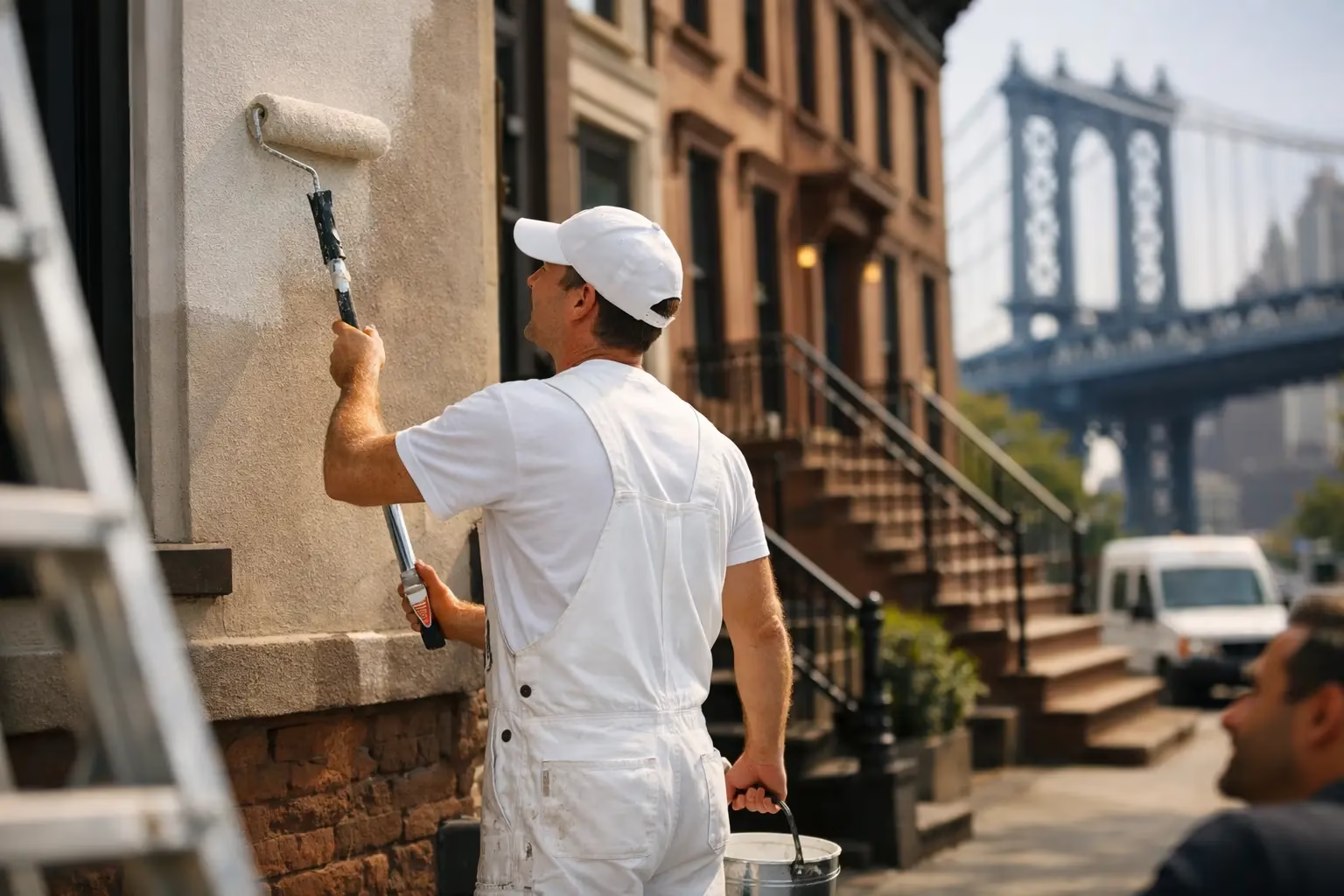
A peeling cornice, faded storefront, or cracked brownstone facade is not just a curb-appeal problem. In Brooklyn, exposed exterior surfaces take a beating from rain, freeze-thaw cycles, street dust, sun, and moisture trapped behind old masonry. The right exterior painting contractor in Brooklyn should do more than apply a fresh coat. They should identify what is causing the paint to fail and prepare the building so the new finish has a real chance to last.
For homeowners, landlords, property managers, and commercial owners, exterior painting is often tied to larger maintenance decisions. Loose mortar, damaged stucco, rusting metal, roof leaks, failed caulking, and poor drainage can all show up first as blistered or flaking paint. Addressing those conditions before painting protects the property and prevents paying twice for the same wall.
What Brooklyn Exterior Painting Really Involves
Exterior painting in a dense urban neighborhood is different from painting a newer suburban house. Many Brooklyn properties have brick, brownstone, limestone, stucco, wood trim, metal railings, cornices, and decorative details on the same elevation. Each material requires a different preparation method, repair approach, primer, and coating.
A proper job starts with an on-site inspection. The contractor should look for peeling areas, cracks, open joints, soft or damaged wood, water stains, rust, efflorescence, and previous patchwork. On older homes in Park Slope, Brooklyn Heights, Cobble Hill, and Bed-Stuy, the visible paint issue may be only the surface sign of a masonry or waterproofing problem.
Painting over failed surfaces can make a building look better for a short time, but it does not solve the underlying issue. If moisture is entering through an unsealed parapet, cracked stucco, loose flashing, or deteriorated pointing, new paint may bubble or release soon after the project is finished. A dependable contractor explains that risk upfront instead of treating every repair as an unnecessary add-on.
How to Choose an Exterior Painting Contractor in Brooklyn
Price matters, especially when a property needs ongoing maintenance. Still, the lowest number is not always the lowest cost. A vague estimate can leave out surface preparation, primer, minor repairs, protection for sidewalks and landscaping, scaffolding coordination, or cleanup. Those items often appear later as change orders or unfinished work.
Look for a licensed and insured contractor that provides a clear written scope. The estimate should identify the surfaces being painted, the preparation work included, repair allowances or exclusions, coatings to be used, access requirements, and the anticipated schedule. If the building needs facade repair, brick pointing, stucco work, or waterproofing before paint, that should be discussed plainly.
A contractor should also be able to explain why a certain coating is recommended. For example, masonry may need a breathable paint system that manages moisture correctly, while metal railings need rust removal and a metal-specific primer. Wood trim may require scraping, sanding, spot priming, caulking, and repair before finish coats are applied. There is no single paint product that works equally well on every Brooklyn exterior.
Ask about preparation, not just color
Color selection gets attention because it is visible, but preparation determines how long the result holds up. Ask how loose paint will be removed, how cracks and gaps will be repaired, whether surfaces will be cleaned or power washed, and which areas will be primed.
Good preparation takes time. It can include scraping, sanding, patching, caulking, spot priming, washing, rust treatment, masonry repair, and protection of nearby windows, doors, sidewalks, and neighboring property. A contractor who promises an unusually fast turnaround may be skipping the work that helps paint adhere.
The right level of preparation depends on the surface condition. A well-maintained painted facade may only need cleaning, minor repair, and repainting. A neglected building with multiple failing coats, moisture damage, or widespread cracking may need substantial restoration first. The honest answer is often, “It depends on what we find after inspection.”
Confirm access, safety, and jobsite control
Brooklyn exterior projects can involve ladders, lifts, sidewalk sheds, scaffolding, roof access, and close proximity to pedestrians and neighboring buildings. These conditions affect scheduling and cost. They also make safe jobsite practices essential.
Ask who will handle access equipment and whether the crew follows OSHA safety practices. For commercial properties and occupied multifamily buildings, jobsite organization matters just as much as paint quality. Residents, tenants, deliveries, pedestrians, and business operations need to be considered before work starts.
A professional contractor should protect entryways and windows, keep work areas orderly, remove debris promptly, and communicate when noisy prep work or access restrictions are expected. That planning reduces frustration for everyone around the project.
Exterior Problems That Should Be Repaired Before Painting
Paint is a finish, not a structural repair. Before moving forward with exterior painting, certain conditions should be corrected to avoid premature failure.
Water intrusion is the most common concern. Leaking roofs, open parapet joints, deteriorated coping, broken flashing, and failed sealant can send moisture into walls and trim. Painting first may trap the symptom behind a clean-looking surface.
Masonry problems also need attention. Missing mortar, spalled brick, cracked brownstone, loose stucco, and crumbling cement can allow more water into the building envelope. In historic areas, repairs should respect the existing material and profile rather than cover everything with heavy patching or paint.
Metal surfaces need separate treatment as well. Railings, fences, gates, fire escapes, and decorative ironwork can rust beneath old coatings. The failed paint and rust must be removed or stabilized, followed by an appropriate primer and durable topcoat. Skipping this process can lead to rust bleeding back through a new paint job.
Choosing Materials for New York Weather
Brooklyn buildings experience strong sun, driving rain, winter moisture, temperature swings, and pollution. The best exterior coating is not necessarily the most expensive one. It is the product that fits the substrate, its condition, and the building’s exposure.
For painted wood and trim, a flexible, durable exterior coating can help manage normal expansion and contraction. Masonry requires more care because old brick, stucco, and brownstone need to release moisture rather than trap it behind an incompatible film. Metal requires corrosion-resistant systems designed for the surface.
Color also has practical effects. Dark colors can absorb more heat, which may increase movement in wood or metal trim. Very light colors may show city dirt more quickly. Historic districts and landmarked properties may have additional considerations for visible facade work. A contractor should discuss these trade-offs before the crew arrives with paint.
What a Clear Exterior Painting Estimate Should Include
A useful estimate makes it easier to compare contractors fairly. It should be specific enough that you know what is included, not just provide a lump-sum price for “paint exterior.”
At a minimum, the scope should cover surface preparation, repair work, primer and finish coats, paintable areas, access needs, cleanup, and expected timing. It should also state what happens if hidden damage is found after prep begins. Old Brooklyn properties can reveal rot, loose masonry, or water damage once failing paint is removed, so a clear process for additional work protects both the owner and contractor.
Be cautious if an estimate does not mention prep work, paint products, insurance, or site protection. Those omissions may mean the job is being priced for a quick cosmetic result rather than dependable performance.
One Contractor for Painting and Exterior Repairs
Coordinating painters, masons, roofers, waterproofing specialists, and carpenters separately can slow down a project and create confusion about responsibility. When exterior paint failure is connected to facade, roof, or drainage issues, it helps to work with a contractor who can evaluate the full condition of the building.
Best Budget Construction provides exterior painting alongside facade restoration, masonry and cement work, brick pointing, stucco repair, cornice restoration, roofing, waterproofing, and power washing. As a licensed, insured, second-generation NYC contractor, the team can help property owners address preparation and repair needs before the final paint system is applied.
A fresh exterior should do more than photograph well on the day work is completed. Schedule a detailed estimate, ask direct questions about the condition beneath the old paint, and choose a contractor prepared to protect your property for the seasons ahead.
