

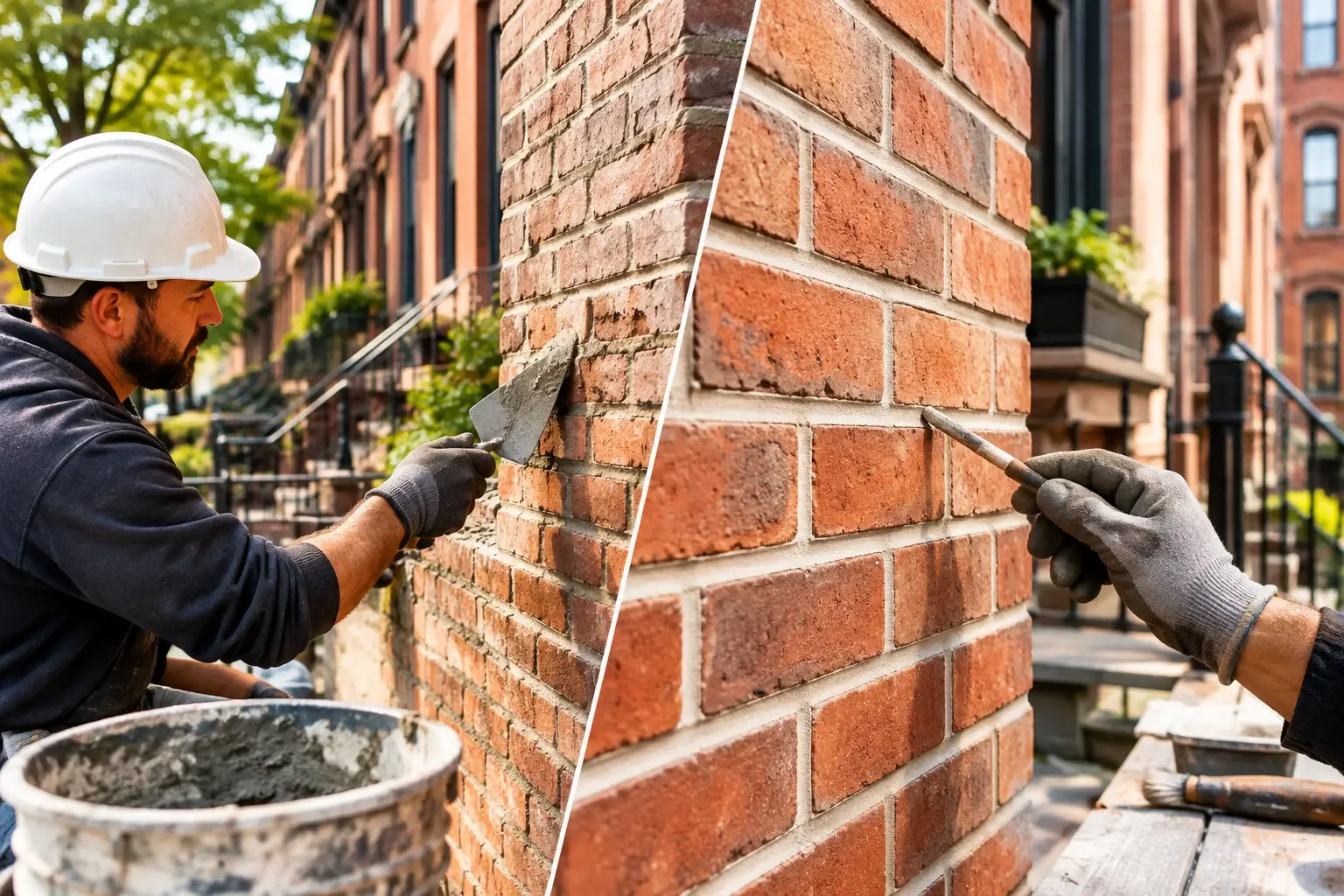
A crack running through mortar on a Brooklyn brownstone is not just a cosmetic problem. Open or failing joints can let water into the wall, loosen brick over time, and create a larger facade repair down the road. When property owners compare brick pointing versus tuckpointing, the right choice depends on what the wall needs most: sound mortar repair, a historically accurate appearance, or both.
Pointing is the practical repair most buildings need. Tuckpointing is a more detailed finish that can make older brickwork look sharper and more uniform. Both require skilled masonry work, proper mortar selection, and careful preparation. A quick patch with the wrong material may look acceptable for a season, then cause spalling brick, cracked joints, or trapped moisture.
Brick Pointing Versus Tuckpointing: The Main Difference
Brick pointing, often called repointing, means removing deteriorated mortar from masonry joints and installing new mortar. The goal is to restore the joint so it sheds water, supports the wall properly, and protects the surrounding brick. It is a repair method first and an appearance upgrade second.
Tuckpointing includes repointing, but it adds a decorative step. After a base mortar is placed, a narrow line of contrasting mortar is applied down the center of the joint. This line creates the appearance of fine, crisp mortar joints, even where the original brickwork is irregular or weathered.
In plain terms, pointing repairs the joint. Tuckpointing repairs the joint and recreates a more refined visual pattern. That distinction matters on historic facades in Park Slope, Brooklyn Heights, Cobble Hill, and other neighborhoods where masonry details are a major part of a building’s character.
When Brick Pointing Is the Better Choice
For many NYC homes, apartment buildings, garden walls, parapets, and commercial facades, standard brick pointing is the sensible option. If mortar is missing, sandy, cracked, recessed, or separating from the brick, the immediate need is a durable joint repair. Proper repointing addresses that issue without adding decorative work that the building may not need.
Pointing is also the better fit when the existing joints have a simple, consistent appearance. A rear wall, side wall, chimney, or utility-facing facade may need weather protection and structural maintenance more than period detailing. There is no reason to pay for a contrasting tuckpoint finish where it will not improve the property or match the original masonry design.
A qualified mason starts by checking how deep the mortar has failed and whether the damage is limited to selected areas or spread across the wall. Loose material must be removed carefully, usually to a depth that allows the new mortar to lock into the joint. The joints are cleaned, dampened when needed, packed in layers, and finished to match the existing profile.
The mortar itself is critical. Older brownstones and historic brick buildings often need a softer, more breathable mortar than newer construction. Mortar that is too hard can force moisture through the brick instead of allowing it to escape through the joint. In freeze-thaw weather, that can lead to brick faces popping off or crumbling. The goal is not simply to fill gaps. It is to use a compatible mortar that protects the masonry system.
When Tuckpointing Is Worth the Extra Work
Tuckpointing makes the most sense when appearance carries real value. This may include a visible front facade, an original brownstone detail, a landmark-sensitive property, or a building with decorative brickwork that has lost its clean joint lines over time.
The technique is especially useful where bricks vary in size, have worn edges, or were originally laid with narrow-looking joints. The contrasting center line gives the wall a precise, finished look from the sidewalk. On the right facade, it can make old masonry look substantially more cared for without replacing sound original brick.
That said, tuckpointing is not a shortcut for serious wall problems. It will not correct a bowing facade, displaced brick, failed lintel, deteriorated parapet, or ongoing roof leak. If the wall is moving or taking in water from above, those conditions must be corrected first. Decorative joint work on a wet or unstable wall will not last.
Tuckpointing also takes more time and labor than standard pointing because the finished lines must be straight, consistent, and suited to the brick color and existing joint pattern. It is usually a higher-cost option, but it can be a smart investment where curb appeal, historic character, or visible facade presentation matters.
How to Tell What Your Masonry Needs
The condition of the mortar tells part of the story. If you can rub the joint with a key or fingertip and the mortar turns to sand, repointing may be due. Deep gaps, cracks around window openings, open vertical joints, and mortar falling onto the sidewalk are other clear warning signs.
Water symptoms deserve equal attention. White mineral deposits on brick, damp interior walls, peeling paint near exterior masonry, or recurring leaks after heavy rain may indicate failed joints. In NYC, brick pointing is often connected to larger maintenance needs such as coping repair, roof flashing, cornice restoration, waterproofing, or facade work. Treating only the visible mortar can leave the actual water entry point untouched.
Visual goals are the other factor. If the facade is structurally sound but looks flat, patched, or inconsistent after years of repairs, tuckpointing may be the right finish. If the priority is stopping moisture and restoring sound joints at a practical cost, standard pointing is generally the better answer.
Why Cheap Mortar Patches Can Cost More Later
A low price can be attractive when only a few joints appear damaged. But masonry repair is one area where rushed work creates expensive follow-up repairs. Common problems include applying new mortar over loose material, using mortar that is too hard, leaving joints too shallow, smearing mortar across brick faces, or failing to match the original joint profile.
The wrong repair can trap water behind the brick or place pressure on softer historic masonry. It can also create obvious color patches across a front facade. Once mortar is improperly installed, correcting it often requires removing the failed material again without damaging the brick.
A reliable estimate should identify the repair area, describe whether the work is pointing or tuckpointing, address access requirements such as scaffolding, and explain related conditions that may affect the price. On a multi-story NYC facade, safe access, sidewalk protection, permits, and site conditions can be as significant as the number of joints being repaired.
What a Proper Pointing or Tuckpointing Job Looks Like
Quality begins with investigation, not a caulk gun and a quick surface patch. The contractor should identify failing mortar, inspect adjacent brick, and look for causes of water infiltration or movement. If a repair is limited to certain areas, selective repointing may preserve more original material and control costs. If failure is widespread, a larger restoration plan may be more economical over time.
During the work, old mortar should be removed with care so the edges of the brick are not chipped or weakened. New mortar is installed at the proper depth and allowed to cure under appropriate conditions. The final joint profile should match the building, whether it is concave, flush, weather-struck, or another traditional style.
For tuckpointing, the contrasting line should be clean and proportionate. It should improve the wall without making it look artificial. On older properties, matching the original masonry character is usually more valuable than making every joint look brand new.
Choosing a Contractor for NYC Masonry Work
Ask whether the contractor has experience with older brick and brownstone facades, not just new block work. Historic masonry can be unforgiving when it is handled with the wrong tools or mortar. You also want a licensed and insured contractor who understands safe access, OSHA requirements, site protection, and the practical realities of working on occupied NYC properties.
Best Budget Construction evaluates masonry work as part of the whole building exterior. That approach helps owners avoid repairing mortar while overlooking a leaking roof edge, damaged coping, failing cornice, or other condition that can send water back into the wall.
For a front facade where appearance matters, ask to see how the proposed mortar color and joint profile will relate to the existing brick. For a rear wall or less visible area, focus on compatible materials, full-depth repairs, and water management. The best solution is not always the most decorative one. It is the one that protects the building and fits the property’s budget.
If your mortar joints are breaking down, schedule an on-site assessment before another winter or heavy rain exposes more of the wall. A clear scope of work and a properly matched repair can preserve the brick you already have while keeping a manageable maintenance issue from becoming a major facade project.
