

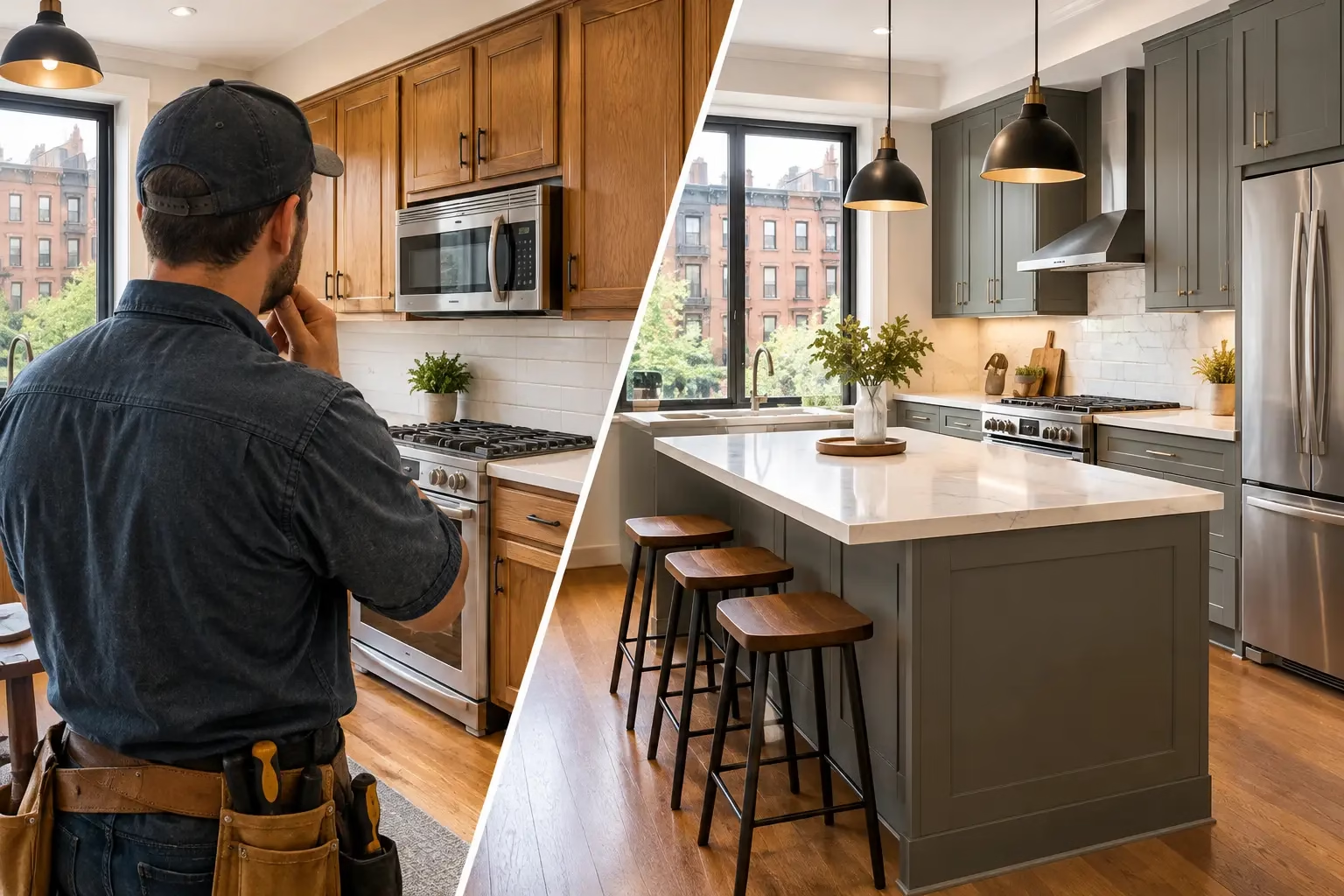
A kitchen can look tired long before it is truly worn out. In a Brooklyn brownstone, a Park Slope co-op, or a rental building with several units to maintain, kitchen refacing versus replacement is usually a budget and condition decision – not simply a style decision. Keeping solid cabinet boxes can save meaningful time and money. But covering up water damage, weak construction, or a poor layout only delays a more expensive project.
The right choice starts with an honest look behind the cabinet doors. A dependable contractor should explain what can be saved, what must be corrected, and what the finished kitchen will realistically cost before work begins.
Kitchen Refacing Versus Replacement: What Changes?
Kitchen refacing keeps the existing cabinet boxes in place. The visible cabinet doors, drawer fronts, hardware, and often the exterior cabinet surfaces are replaced or covered with new material. Homeowners may pair refacing with a new countertop, backsplash, sink, lighting, and paint to create a major visual change without rebuilding the entire room.
Full cabinet replacement removes the existing cabinets and installs new ones. This opens the door to changing cabinet sizes, moving storage, redesigning the work triangle, adding a pantry, or improving access around appliances. It also gives the contractor a clear view of conditions behind the cabinets, including plumbing, wall damage, old wiring, and signs of leaks.
Refacing is not a shortcut when it is used on cabinets that are structurally sound. It is a focused renovation method. Replacement is not automatically better, either. If the box construction is strong and the layout works for your household, replacing usable cabinets can consume money that would be better spent on countertops, electrical upgrades, or durable finishes.
When refacing is a practical choice
Refacing can be a good fit when cabinet boxes are level, firmly attached, and free from water damage. The doors may be chipped, dated, mismatched, or difficult to clean, but the cabinet frames should still be in dependable condition. Many older NYC kitchens have solid wood boxes that can outlast newer low-cost cabinetry when properly evaluated.
It is also useful for landlords and property managers who need to improve a clean, functional kitchen between tenants without taking a unit out of service for a full redesign. New doors, modern pulls, a durable counter, and better lighting can make a kitchen feel completely different while keeping the scope under control.
Refacing generally causes less demolition and may shorten the active construction period. That matters in occupied apartments, buildings with strict work-hour rules, and homes where the kitchen cannot be offline for an extended time. The exact schedule still depends on material lead times, countertop fabrication, and whether plumbing or electrical work is included.
When full replacement is the better investment
Replacement makes more sense when cabinets have swollen particleboard, loose bottoms, failed drawer slides, persistent mold, or damage from a past sink leak. In those cases, new doors will not solve the real problem. The same is true when cabinet boxes are poorly sized, uneven, or installed around an awkward layout that makes cooking and storage frustrating every day.
A full replacement is also the right path if you want to move the sink, add a dishwasher, relocate appliances, open a wall, or build storage that fits the space correctly. Older kitchens in Brooklyn Heights, Cobble Hill, and Bed-Stuy often have tight footprints and years of patchwork repairs. Rebuilding may reveal work that needs attention before new cabinetry goes in, such as damaged subfloors, outdated plumbing connections, inadequate outlets, or uneven walls.
For an owner planning to stay in the property for many years, replacement can provide a stronger long-term return when the existing layout is the source of the problem. It allows for deeper drawers, better pantry storage, safer appliance clearance, and cabinets designed around how the household actually uses the kitchen.
Compare the Real Cost, Not Just the Cabinet Price
The lower upfront price of refacing is its main advantage, but the number only means something when the scopes are comparable. A basic refacing project may include new doors and hardware, while a replacement estimate may include demolition, disposal, cabinet installation, countertop coordination, plumbing reconnection, electrical changes, patching, painting, and permit-related work where required.
Ask what is included in writing. If refacing requires repairing damaged face frames, leveling old boxes, or adapting cabinets for a new countertop, those details affect the final cost. If replacement requires moving gas, rerouting plumbing, upgrading circuits, or repairing walls once cabinets come out, those items should not be treated as surprises.
In NYC, access affects pricing as well. Walk-up buildings, limited loading areas, protected common spaces, elevator reservations, and building insurance requirements can change labor and scheduling. A contractor familiar with urban renovation should account for these conditions early rather than promising a number that cannot support the actual work.
The least expensive estimate is not always the affordable one. A project is affordable when the scope addresses the condition of the room, uses materials appropriate for the property, and does not force a second renovation in a few years.
Design Limits to Understand Before Refacing
Refacing can change the face of cabinetry, but it cannot change the basic cabinet layout. You can update door style, color, pulls, countertop, backsplash, and fixtures. You may be able to add selected accessories or modify a small section, depending on construction. But you cannot expect old cabinet boxes to create the storage capacity or clean proportions of a properly redesigned kitchen.
This matters in narrow galley kitchens and small apartment kitchens. If the refrigerator door blocks circulation, if there is no landing space beside the cooktop, or if the sink base is failing, a cosmetic update may not serve the property well. A contractor should discuss daily function before recommending finishes.
There is also a matching issue. Refaced cabinets need carefully selected materials and accurate installation so the exposed ends, panels, and new door fronts look intentional. Poorly matched components can make a kitchen look pieced together. Good craftsmanship is visible in the reveals, alignment, trim work, hardware placement, and finish details.
Best Budget Construction in Brooklyn & NYC
For property owners who want a direct answer instead of a sales pitch, the first step is an on-site evaluation. Best Budget Construction reviews cabinet condition, layout limitations, visible water damage, appliance plans, and the work needed to complete the kitchen properly. The goal is to recommend a scope that fits the property and budget, whether that means refacing, targeted repairs, or full replacement.
A kitchen project should also be planned with the rest of the space in mind. New cabinets often expose aging paint, uneven walls, worn flooring, damaged plaster, or plumbing issues that were hidden for years. Working with one experienced renovation contractor helps keep those connected tasks coordinated instead of leaving the owner to manage several trades.
License & Insurance credentials for all services
Licensed and insured work protects homeowners, landlords, and commercial property managers when construction is taking place inside an occupied building. Before choosing a contractor, confirm the scope, credentials, insurance documentation, building requirements, and responsibility for cleanup and debris removal. Clear communication at the estimate stage prevents confusion once materials arrive and work begins.
100% OSHA guidelines compliant
Safe work practices matter even on a kitchen renovation. Demolition, tool use, dust control, material handling, and jobsite organization should be handled with care. 100% OSHA guidelines compliant work supports a cleaner, safer project environment for residents, workers, neighbors, and building staff.
How to Make the Decision With Confidence
Start by opening every cabinet and looking below the sink. Check for swelling, soft cabinet floors, stains, musty odors, loose frames, and drawers that no longer operate correctly. Then consider how the kitchen functions at busy times. If the layout works and the cabinet boxes are healthy, refacing may deliver the improvement you want without full reconstruction.
If you are already planning to change appliances, correct plumbing, improve electrical service, or solve storage and circulation problems, request a replacement estimate as well. Seeing both scopes side by side gives you a fairer decision than comparing a cosmetic price to a complete renovation price.
Free Estimate Call (917) 674-9488
Bring photos, measurements if available, and a clear list of what frustrates you about the current kitchen. A practical estimate should tell you whether your cabinets are worth saving and what each option requires. The best result is not the most dramatic renovation on paper – it is a kitchen built around the condition of your property, the way you use it, and a budget you can stand behind.
