

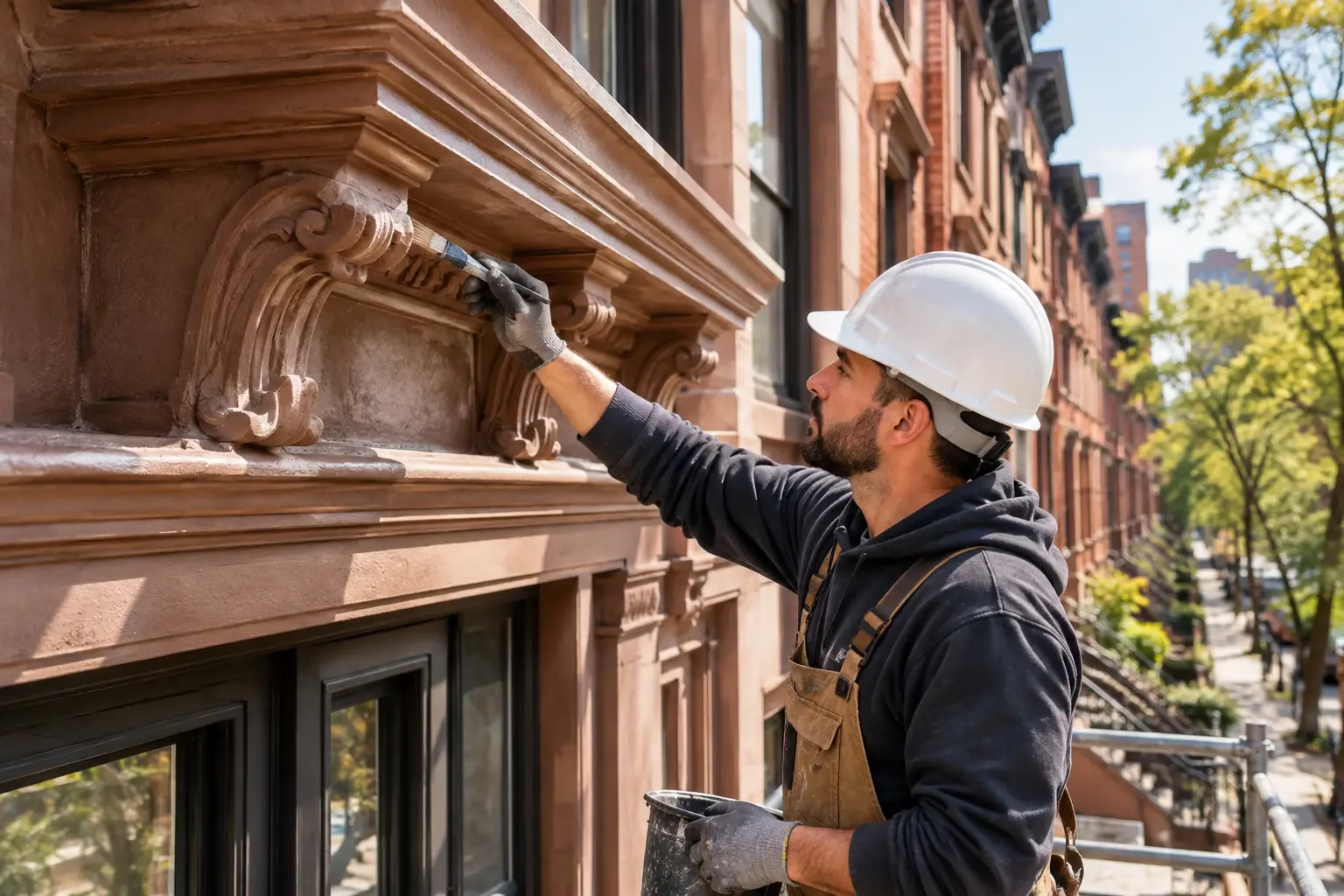
A loose cornice bracket or cracked ornamental band may look like a small exterior flaw from the sidewalk. On a New York brownstone, it can be an early warning that water is getting behind the facade, masonry is deteriorating, and pieces may eventually become a safety hazard. Brownstone cornice restoration is not simply cosmetic work. Done correctly, it protects the building envelope, preserves the character of the property, and helps prevent a much larger facade repair later.
For owners in Brooklyn’s historic neighborhoods, a cornice is one of the most visible parts of the building. It frames the roofline, directs rainwater away from the facade, and gives a brownstone its architectural finish. When it fails, the damage can spread from the top of the building downward.
When Brownstone Cornice Restoration Is Needed
Cornices take constant abuse from NYC weather. Rain, snow, freeze-thaw cycles, roof runoff, heat, wind, and years of paint buildup all affect the material. Older cornices may be built from sheet metal, galvanized steel, copper, wood, terra cotta, limestone, cast stone, or a combination of materials. Each requires a different repair method.
Property owners should not wait until a section falls or a city complaint arrives. Visible rust streaks, open seams, cracked molding, missing decorative sections, loose brackets, peeling paint, stained masonry, and water entering the top-floor ceiling are all signs that the cornice needs professional attention.
A cornice can also look acceptable from street level while failing behind the painted surface. Water may enter through a small split at a seam, travel behind metal flashing or trim, and rot the wood framing beneath it. By the time the lower facade shows staining or spalling, the repair scope may be much larger.
Common problems found on NYC brownstones
Metal cornices often develop rust at joints, fasteners, and horizontal ledges where water sits. Rust expands as it forms, pushing open seams and weakening the surrounding material. A patch over rust without removing the failed area may look good briefly, but it rarely lasts through several New York winters.
Wood cornices can rot at the underside, soffit, and areas near failing gutters. Decorative wood profiles may need selective replacement or custom fabrication to match the original shape. Masonry and stone cornices can crack, shift, lose mortar, or shed surface material after repeated freezing and thawing.
The right answer depends on what is actually causing the damage. A visible crack may need localized patching, or it may be evidence of roof drainage failure, failed flashing, movement in the parapet, or water entering through an unsealed coping stone. A contractor should inspect the full area before pricing a repair.
What a Proper Cornice Repair Includes
Reliable brownstone cornice restoration starts with access and inspection. The cornice must be examined up close, not estimated only from photos or a sidewalk view. Depending on the building and street conditions, this may involve ladders, lifts, scaffolding, or other appropriate access equipment.
The work should address the damaged material as well as the source of moisture. If the roof edge, leader, gutter, flashing, or parapet is allowing water behind the cornice, restoring the decorative face alone will not solve the problem.
A typical restoration may include removal of loose or unsafe sections, replacement of rusted sheet metal, repair of wood framing, masonry repointing, rebuilding damaged profiles, sealing joints, installing or repairing flashing, priming exposed metal, and applying a durable exterior paint system. For ornamental sections that cannot be salvaged, custom fabrication can reproduce the existing design as closely as practical.
Repair versus full replacement
Not every cornice needs to be replaced. Localized restoration is often the more affordable choice when most of the structure is sound and damage is limited to seams, small sections of metal, trim, or finish coats. It can preserve more original material and keep the project focused.
Full replacement may be the smarter investment when the cornice has widespread rust, severe rot, failed internal framing, repeated leaks, or unstable ornamental sections. Patching a severely compromised cornice can become more expensive over time if crews need to return every year to repair the next failure.
A clear estimate should explain which areas can be restored, which need replacement, and why. It should also identify related work, such as roof repairs or waterproofing, that affects the life of the new cornice work. The lowest number is not always the best value if it excludes the details that stop water from coming back.
Why Materials and Details Matter
Cornice restoration is detail work. A repair has to shed water, accommodate normal material movement, and match the building’s appearance without trapping moisture behind new layers. This is especially important on landmark-style row houses in Park Slope, Brooklyn Heights, Cobble Hill, and other brownstone-heavy neighborhoods.
For metal cornices, compatible materials and correct fastening matter. Different metals can react when installed together improperly, accelerating corrosion. Seams need to be formed and sealed correctly, and water should be directed away rather than allowed to collect on flat decorative surfaces.
For masonry or cast-stone work, the repair material must be selected carefully. A patch that is harder than the surrounding historic masonry can create stress and cause adjacent material to fail. Mortar color and texture also affect the finished appearance, particularly on a front facade where repairs remain highly visible.
Paint is part of the protection system, not just the final color choice. Proper surface preparation, rust treatment where needed, primer selection, and exterior-grade coatings help extend the life of the repair. Painting over peeling material, open seams, or active rust is a short-term cover-up, not restoration.
Safety, Access, and NYC Project Planning
Damaged cornices can create real liability. Loose metal, stone, or wood at a roofline can endanger pedestrians, tenants, neighboring properties, and workers. If a section appears unstable, keep people away from the area and arrange an inspection promptly.
Cornice work may require sidewalk protection, permits, scaffolding, coordination with tenants, and compliance with building or historic-district requirements. The exact requirements depend on the building, the size of the repair, the location, and whether structural or facade conditions are involved.
An experienced contractor should plan access, protection, debris removal, and daily site safety before work starts. Licensed, insured, OSHA-compliant crews are especially important on exterior projects where height, public sidewalks, and aging materials create added risk. A fast repair is valuable, but safe setup and correct execution cannot be skipped.
How to Get a Useful Restoration Estimate
A useful estimate is more than a single price. It should be based on an on-site assessment and describe the conditions found, the proposed repair approach, materials, access needs, and any related roofing, masonry, or waterproofing work.
Ask whether the contractor is repairing the cause of the damage or only covering the visible symptom. Ask how replacement sections will match the existing profile, what preparation is included before painting, and how the work area will be protected. For older brownstones, it is also reasonable to ask whether hidden deterioration could affect the final scope once damaged layers are opened.
Best Budget Construction provides cornice, roofing, masonry, facade, waterproofing, and painting services under one team. That matters when a cornice problem crosses more than one trade. Instead of coordinating separate metal, roofing, masonry, and painting contractors, property owners can receive a practical scope that addresses the connected conditions.
A well-repaired cornice should look like it belongs on the building and perform like it was built to handle New York weather. If you see cracks, rust, loose pieces, or water staining near your roofline, schedule an inspection before a manageable repair becomes an emergency facade project.
