

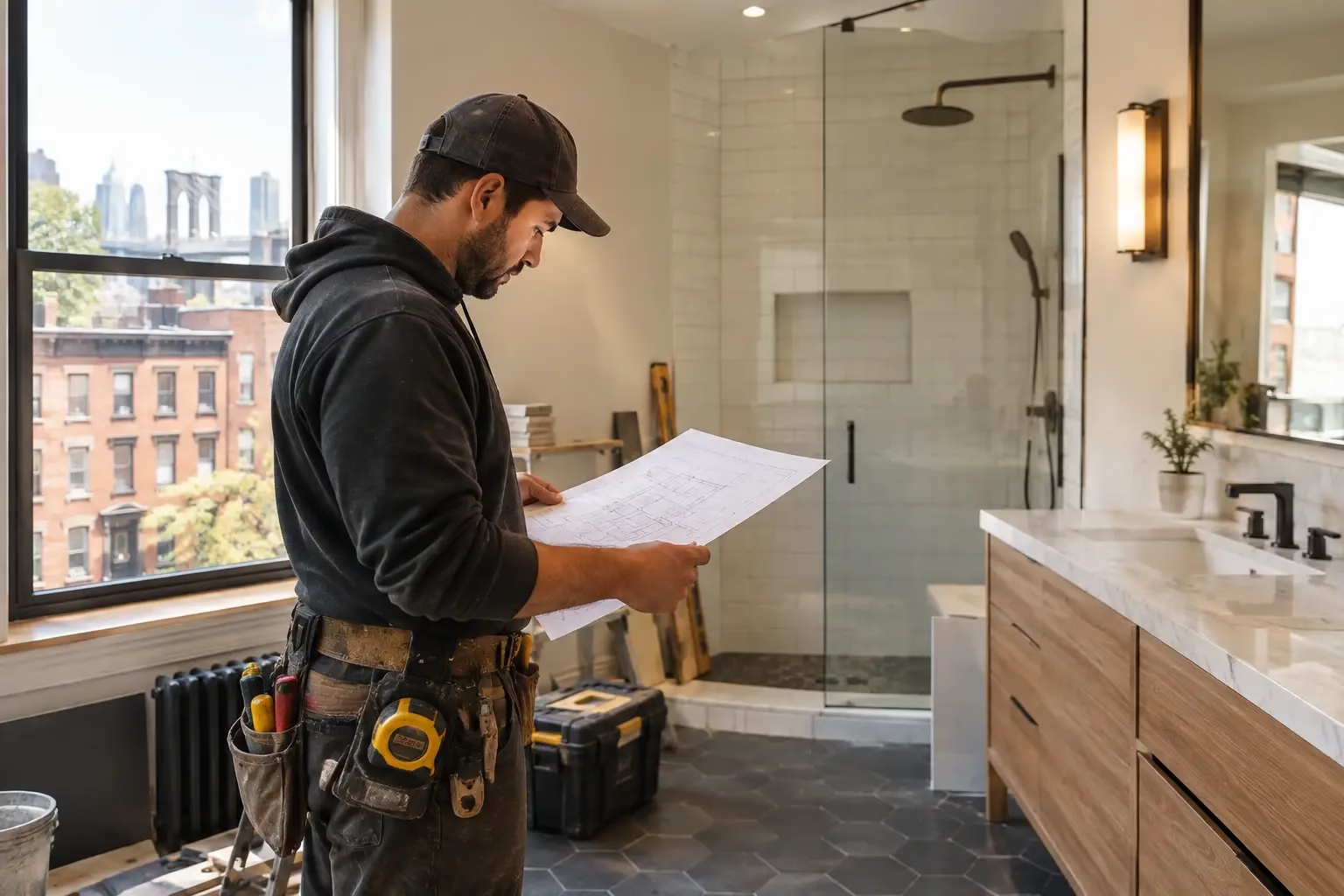
A bathroom can look small on a floor plan, but in a New York City apartment, condo, brownstone, or rental building, it is one of the easiest rooms to get wrong. Plumbing stacks, aging wiring, tight access, building rules, and waterproofing all come together in a few square feet. Knowing what not to do in a bathroom remodel can save you from expensive change orders, failed inspections, water damage, and a room that looks updated but does not work well.
The goal is not to spend the most money. It is to make sound decisions early, use qualified professionals, and keep the work aligned with the building, the budget, and the way the space will be used.
What Not to Do in a Bathroom Remodel: Start With the Big Mistakes
Do not start demolition without a complete scope
Removing tile before the layout, fixtures, finishes, and plumbing work are defined is a common way for a straightforward project to become costly. Once walls and floors are open, hidden issues may appear, especially in older Brooklyn homes: deteriorated subfloors, corroded supply lines, old cast-iron drains, improper previous repairs, or moisture damage behind tile.
Some surprises cannot be predicted until demolition begins. That is normal. What should be avoided is making major selections and layout decisions after the work has already started. A clear scope should identify what is being removed, what is staying, where plumbing will go, what electrical upgrades are needed, and which materials are included. It also needs a realistic allowance for concealed conditions in an older property.
Do not move plumbing just because a photo looks good
Moving a toilet, tub, or shower can create a better layout, but it is not automatically worth the cost. In many NYC buildings, plumbing locations are tied closely to existing risers and drain slopes. Relocating a fixture may require opening more floors or walls, coordinating with the apartment below, and obtaining additional approvals.
Keeping the toilet and main plumbing near their original locations often protects the budget. Put the money into better waterproofing, a more functional vanity, improved lighting, and durable finishes instead. If the existing layout truly does not work, a licensed contractor can explain what relocation involves before you commit to the design.
Do not ignore permits and building requirements
A bathroom remodel may require permits, depending on the scope of plumbing, electrical, and structural work. Co-op and condo boards can also require alteration agreements, insurance documentation, licensed trades, work-hour restrictions, and advance approval before materials or demolition crews enter the building.
Skipping this process might seem faster at first, but it can stop work midway, lead to fines, create problems during a sale, or leave an owner responsible for unapproved plumbing and electrical work. Landlords and property managers have an additional responsibility: work must protect tenants, neighboring units, and the building itself.
A qualified, licensed, and insured contractor should review the project conditions at the start, not after the bathroom has been torn apart.
Do Not Treat Waterproofing as an Optional Upgrade
A beautiful tile installation does not make a shower waterproof. Tile and grout are finish surfaces. Water protection comes from the system underneath: proper substrate preparation, waterproof membrane, sealed seams and corners, correctly installed drain components, and a shower pan that slopes toward the drain.
This is one area where cutting corners can cost far more than the initial savings. A slow leak can damage ceilings, framing, flooring, and neighboring apartments before it becomes visible. In a brownstone or multi-family building, it can also create a difficult insurance claim and strained relationships with neighbors.
Do not let a contractor cover old damage without finding the source. Stains on the ceiling below, soft flooring around a tub, loose tile, or recurring mildew may point to a plumbing leak or failed waterproofing. The repair plan should address the cause before new finishes are installed.
Do not choose materials only by appearance
Natural stone, large-format tile, floating vanities, curbless showers, and wall-mounted fixtures can all be good choices. They are not right for every bathroom. Materials need to match the room’s size, ventilation, maintenance requirements, and the condition of the existing structure.
For example, a large tile can make a small bath feel more open, but it requires a flat, well-prepared surface. A curbless shower may improve accessibility, but it needs careful floor slope and drain planning. A delicate marble surface can look exceptional, yet it may stain or etch if the household wants low-maintenance cleaning.
Ask practical questions before buying: Can this material be installed correctly in this space? Is it easy to clean? Will replacement pieces be available? Does it fit the budget once labor, trim, waterproofing, and waste are included? A durable porcelain tile is often the better value for a busy rental or family home.
Do Not Overlook Ventilation and Electrical Work
Many bathroom problems are not caused by the tile work. They start with poor ventilation. Without adequate exhaust, steam settles on walls, ceilings, grout, cabinets, and mirrors. Over time, that moisture can encourage mold, peel paint, and shorten the life of finishes.
Do not assume an old fan is doing its job because it makes noise. It may be undersized, disconnected, blocked, or venting improperly. A remodel is the right time to assess the fan, duct route, and controls. In some situations, building conditions limit what can be changed, but the plan should still provide the best practical moisture control.
Electrical planning deserves the same attention. Do not rely on one overhead fixture and a single outlet. A useful bathroom usually needs layered lighting: general ceiling light, lighting at the mirror that reduces shadows, and task-appropriate outlets protected for bathroom use. Consider where electric toothbrushes, shavers, hair tools, and night lighting will go before tile is installed.
Do not buy every fixture before measurements are confirmed
A vanity that looked compact online may block a door swing. A deep soaking tub may not fit through a narrow stairwell. A recessed medicine cabinet may conflict with plumbing, wiring, or a structural member inside the wall. Even a shower door needs enough clearance to open safely.
Confirm field measurements and rough-in locations before final purchases. This matters especially in Brooklyn brownstones and older apartments, where walls may not be square and dimensions on old plans can be unreliable. A contractor should verify the actual room, not work from assumptions.
It is also wise to check lead times. A missing valve trim, backordered vanity, or damaged special-order tile can hold up a nearly finished bathroom. Ordering early helps, but do not purchase nonreturnable materials before the design and measurements are locked in.
Do Not Plan for the Photo Instead of Daily Use
The right bathroom is not always the one with the most features. It is the one that works during a rushed morning, after a shower, or when guests are over. Think through storage, towel placement, cleaning access, counter space, and whether more than one person uses the room.
Avoid squeezing in oversized fixtures that leave no circulation room. Do not eliminate all storage for a minimalist look unless that is truly workable for the household. A shallow recessed cabinet, vanity drawers, niche shelving, and well-placed hooks can make a small bathroom function far better without making it feel crowded.
Be careful with trends that are difficult to repair or date quickly. Bold tile can be a smart choice in a powder room or on one accent wall. Using it across every surface is a larger commitment. For properties intended for resale or rental, a clean, durable foundation with personality in lighting, paint, hardware, or a mirror often offers more flexibility.
Do Not Accept a Vague Price or an Unrealistic Schedule
The lowest estimate is not always the most affordable project. A quote that leaves out demolition, permits, waterproofing, debris removal, fixture installation, finish materials, or repair work can become expensive through additions later. Ask what is included, what is excluded, and how hidden conditions will be handled.
A dependable proposal should be specific enough to compare with other proposals. It should describe the work, materials or allowances, payment structure, anticipated schedule, and responsibilities for permits or building coordination. No contractor can guarantee that an old building will reveal no surprises, but clear communication prevents surprises from becoming disputes.
Be cautious of promises that a full bath renovation will be completed at an unusually fast pace without regard for approvals, inspections, material delivery, drying time, and proper installation. Rushing waterproofing, tile setting, or plumbing tests is not a savings. It is a risk transferred to the owner.
Choose Execution Over Shortcuts
A bathroom remodel should leave you with more than fresh tile and new fixtures. It should give you a dry, safe, practical room built for years of daily use. That requires planning, licensed work where required, reliable scheduling, and craftsmanship behind the walls as well as in front of them.
For property owners in Brooklyn and across NYC, Best Budget Construction provides transparent bathroom renovation planning and hands-on execution for the realities of urban properties. Before demolition starts, get a detailed estimate, confirm the scope, and make sure the plan protects both your budget and your building.
