

A cracked brick, loose cornice, or failing parapet is not just a curb-appeal problem in New York City. It can create a public safety hazard, trigger DOB violations, and lead to expensive emergency work if ignored. Understanding facade inspection requirements NYC property owners face helps you plan repairs before small masonry issues become major exterior restoration projects.
For landlords, co-op boards, brownstone owners, and commercial property managers, the right approach is simple: know whether your building falls under FISP, act quickly on dangerous conditions, and work with qualified professionals who understand NYC permits, access requirements, and aging masonry.
What Are NYC Facade Inspection Requirements?
NYC’s Facade Inspection and Safety Program, commonly called FISP or Local Law 11, requires owners of buildings taller than six stories to have their exterior walls and appurtenances inspected on a five-year cycle. The report must be prepared and filed by a Qualified Exterior Wall Inspector, known as a QEWI, with the New York City Department of Buildings.
The rule applies to buildings that are more than six stories high, not simply buildings with six floors. It covers all exterior walls, including street-facing facades, rear elevations, side walls where visible, parapets, cornices, window lintels, balconies, fire escapes, and other attached exterior features. The purpose is public protection. NYC wants potential falling hazards identified and repaired before they injure someone below.
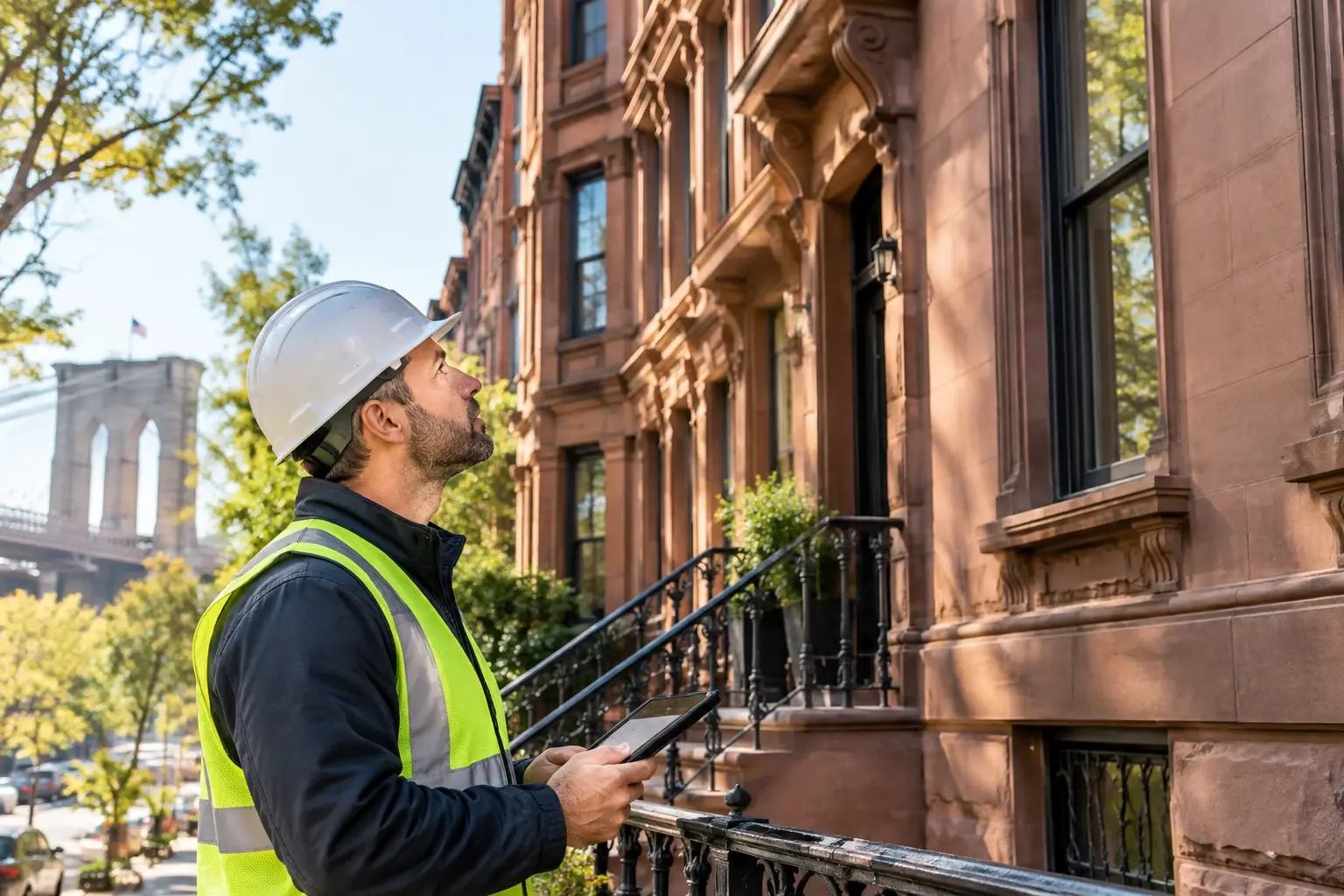
A QEWI does not inspect every inch of a facade from the sidewalk. The inspection includes close-up, hands-on examination from scaffolding, a suspended platform, or another approved access method. This is why a proper facade inspection requires planning, permits, and safe site access rather than a quick visual walk-around.
Does Your Building Need a FISP Inspection?
If your building is over six stories, it is generally subject to the FISP filing requirement, even if the facade appears to be in good shape. Owners should confirm their assigned filing window and current cycle requirements directly with the DOB or their QEWI. Missing a filing deadline can bring significant civil penalties, and late action often limits your options for bidding and scheduling repair work.
Many Brooklyn brownstones, row houses, and smaller mixed-use buildings are under seven stories and are not required to file a FISP report. That does not mean their facades are exempt from maintenance or safety obligations. A deteriorated brownstone stoop, leaning parapet, loose terra cotta piece, cracked lintel, or bulging brick wall can still result in a DOB complaint, an emergency condition, or a violation.
Historic neighborhoods such as Park Slope, Brooklyn Heights, Cobble Hill, and Bed-Stuy present another consideration. If a property is landmarked or located in a historic district, certain exterior changes may also need Landmarks Preservation Commission approval. Repairing damaged masonry is necessary, but the material, mortar color, pointing profile, cornice detail, and replacement method may matter just as much.
The Three FISP Report Classifications
After the inspection, the QEWI files a report that classifies the building’s facade condition. The classification determines what the owner must do next.
Safe
A Safe report means no unsafe conditions or conditions requiring repair within the current cycle were found. It does not mean the building will never need maintenance. Water infiltration, mortar erosion, and paint failure can progress quickly through New York freeze-thaw seasons, so routine checks between inspection cycles still protect the building and your budget.
Safe With a Repair and Maintenance Program
A Safe With a Repair and Maintenance Program classification, often called SWARMP, means the facade is currently safe but has conditions that require corrective work before a stated deadline. Examples may include open mortar joints, localized brick deterioration, minor cracking, rusting steel lintels, or early signs of water damage.
This classification gives owners time to plan, but it should not become a reason to wait until the last possible season. Exterior work is weather-dependent, and reputable masonry contractors can be booked well ahead. Starting early gives you more control over scope, pricing, tenant coordination, and access.
Unsafe
An Unsafe report means there is a condition that threatens public safety. The owner must install public protection promptly, such as a sidewalk shed, fencing, or other approved measures, and complete the required repairs within the DOB’s required timeframe. The QEWI must then file documentation showing the condition has been corrected.
Unsafe does not always mean the entire wall needs replacement. Sometimes the issue is localized to a parapet, cornice, loose brick area, failed shelf angle, or deteriorated window surround. But the repair scope must be based on real field conditions, not guesswork from photos taken at street level.
What Happens After the Inspection?
A FISP filing identifies conditions. It does not complete the repair work for you. Once a condition is identified, the owner needs a repair plan that matches the report, the building’s construction, and any DOB or landmark requirements.
For a masonry facade, the work may involve brick replacement, repointing, crack repair, rebuilding a parapet, replacing damaged lintels, restoring brownstone, repairing terra cotta, or applying appropriate waterproofing after the wall has been repaired. On older buildings, the sequence matters. Covering active deterioration with paint, caulk, or a surface coating can trap moisture and hide the actual problem until it becomes more costly.
A contractor should review the scope carefully before pricing it. Access needs can affect the project as much as the repair itself. A small repair near a roofline may require suspended scaffolding, while a full-height brick restoration may require pipe scaffolding, sidewalk protection, permits, and coordination with tenants or neighboring properties. The lowest quote is not always the lowest final cost if it leaves out access, debris protection, permit work, or required restoration details.
Common Conditions That Lead to Facade Repairs
NYC facades take constant punishment from rain, snow, wind, traffic vibration, and temperature changes. Water is usually the main cause behind visible exterior deterioration. Once water enters through failed mortar joints, cracked coping, open flashing, or unsealed transitions, it can damage brick, corrode embedded steel, and push masonry outward.
Property owners should take visible warning signs seriously: loose or missing mortar, spalling brick faces, vertical or stair-step cracks, rust stains below window lintels, crumbling brownstone, leaning parapets, flaking cornice material, and recurring leaks near exterior walls. A small issue may be repairable with targeted pointing and waterproofing. A long-neglected issue may require masonry rebuilding or structural repair.
Roof and facade conditions are also connected. A failed coping stone, clogged roof drain, damaged flashing, or poor roof edge detail can direct water into the wall below. For that reason, it often makes financial sense to assess roofing, parapets, masonry, and waterproofing together rather than treating each symptom as a separate project.
Choosing a Contractor for FISP-Related Repairs
The QEWI is responsible for the official inspection and filing. The contractor is responsible for performing the repair work properly, safely, and according to the approved scope. Those are different roles, and owners should be wary of anyone who blurs them.
For facade restoration, look for a licensed and insured NYC contractor with real experience in brick pointing, masonry repair, cornice restoration, brownstone work, waterproofing, and exterior access coordination. OSHA-compliant jobsite practices matter when workers, pedestrians, tenants, and neighboring buildings are all close to the work area.
Ask for a written scope that explains what will be repaired, what materials will be used, how the work area will be protected, and what is excluded. On an older facade, hidden conditions are possible once loose masonry or damaged coatings are opened up. A dependable contractor will explain that risk clearly and document change conditions instead of surprising you with vague charges later.
Best Budget Construction works with NYC property owners who need practical exterior repair planning, from targeted brick pointing and cornice restoration to broader facade and waterproofing work. A site visit can help separate urgent safety repairs from maintenance that can be scheduled strategically.
Plan Repairs Before the Deadline Creates the Price
Facade compliance is easier to manage when it is treated as building maintenance, not a last-minute filing problem. Review your inspection status, address water entry early, and keep records of past repairs, photos, and maintenance work. Those details help your QEWI and contractor understand recurring conditions and avoid unnecessary exploratory work.
If you see loose masonry, a damaged parapet, cracking around windows, or water staining on an exterior wall, do not wait for the next inspection cycle to find out what is happening. A clear onsite assessment and a straightforward repair estimate can give you a safer building, a more predictable budget, and fewer emergency calls when the weather turns.
