

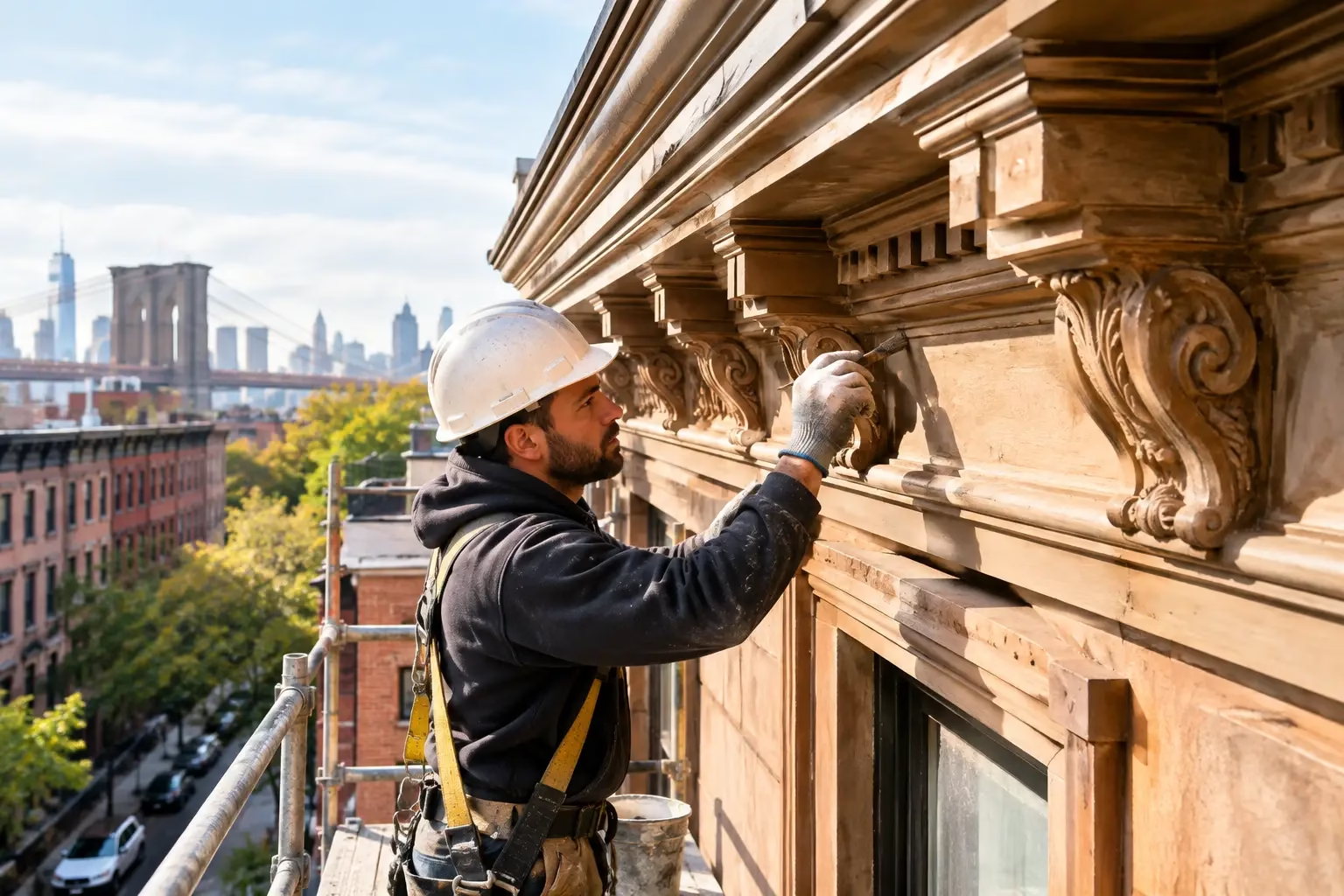
A cracked, leaning, or missing cornice is not just an exterior cosmetic problem. On a Brooklyn brownstone or older NYC commercial building, it can allow water into the facade, loosen surrounding masonry, and create a sidewalk safety concern. Hiring a historic cornice restoration contractor means finding a crew that understands both the original architectural detail and the structural work required to keep it safely in place.
At Best Budget Construction, we approach cornice work as part preservation and part building protection. Whether your property has a sheet-metal cornice, ornamental woodwork, masonry detailing, or a heavily patched facade, the repair needs to address the real source of damage, not simply cover it with fresh paint or patching compound.
What a Historic Cornice Restoration Contractor Should Inspect
Cornices fail for predictable reasons in New York City: years of rain and freeze-thaw cycles, neglected roof flashing, rusted metal, failed fasteners, open masonry joints, and previous repairs that trapped moisture instead of shedding it. By the time a homeowner notices peeling paint, a dark stain, or a piece of metal pulling away from the roofline, damage may already extend behind the visible surface.
A proper site review starts with the cornice itself, but it should not stop there. The contractor should inspect the parapet, roof edge, gutters and leaders, coping, nearby brickwork, window lintels, and flashing. A water issue at the roof can travel down into the cornice, while a failed cornice joint can send water into the facade below.
The scope depends on what the inspection finds. Some properties need targeted patching, sealing, and repainting. Others require removal of deteriorated sections, fabrication of replacement metal or wood components, masonry repair, brick pointing, waterproofing, and secure reattachment. A careful contractor explains which work is necessary now, what can be phased later, and why.
Repair, Rebuild, or Replace?
Preservation does not always mean keeping every original material in place. If a historic metal cornice has localized rust but remains structurally sound, selective repair can preserve more of the original profile at a lower cost. If the metal has thinned through, the internal framing has rotted, or sections are no longer safely attached, rebuilding the affected areas may be the responsible option.
Replacement materials also require judgment. Custom sheet metal can reproduce a detailed profile and hold up well when properly primed and painted. Wood may be appropriate for certain historic details, but it must be protected from recurring moisture. Cementitious restoration materials can work for some decorative elements, yet they are not a substitute for correcting failed flashing or unstable masonry behind them.
The right answer is based on condition, access, safety requirements, and budget. A contractor who promises a quick fix before examining the roofline and facade is not giving you a dependable restoration plan.
Why NYC Cornice Work Requires a Full-Service Approach
Historic buildings rarely have one isolated problem. A cornice repair may expose cracked parapet joints, loose bricks, worn roof membrane, or failing paint on adjacent trim. Coordinating separate roofers, masons, painters, and restoration specialists can slow the project and make it harder to determine who is responsible if leaks continue.
A full-service contractor can coordinate the related work in one clear scope. That may include cornice restoration, roof repairs, facade restoration, masonry and cement work, brick pointing, stucco repair, waterproofing, power washing, and exterior painting. This approach is especially useful for brownstones and mixed-use properties in Park Slope, Brooklyn Heights, Cobble Hill, Bed-Stuy, and other neighborhoods where aging exterior details need careful attention.
It also helps protect your budget. Addressing a small flashing failure while crews are already safely set up for cornice work is generally more practical than returning months later after water has caused additional facade damage. Transparent estimates should separate immediate safety work from recommended maintenance so owners can make informed decisions.
Best Budget Construction in Brooklyn & NYC
Best Budget Construction serves homeowners, landlords, property managers, and small commercial property owners who need practical exterior restoration without unnecessary runaround. Our team has hands-on construction experience dating back to 2001 and understands the demands of working on occupied buildings in dense NYC neighborhoods.
We do not treat cornice work as paint-only maintenance. Our process focuses on identifying deterioration, removing unstable materials where needed, restoring the profile and protection of the detail, and finishing the surrounding area so the repair looks appropriate for the building. When a project involves broader exterior concerns, we can coordinate the masonry, roofing, waterproofing, and painting work without sending you to multiple contractors.
Every historic property has its own limitations. Decorative details may require custom fabrication. Tight lot lines, sidewalk protection, access equipment, and local building requirements can affect schedule and cost. We discuss those realities before work begins, provide a clear estimate, and work to keep the project organized and on time.
License & Insurance credentials for all services
Exterior restoration involves real risk. Loose cornice components, elevated work areas, scaffolding, sidewalk protection, and occupied properties all require a contractor that takes safety and responsibility seriously. Ask for proof of licensing and insurance before approving any work, especially when the repair affects a public-facing facade or building entrance.
Best Budget Construction provides License & Insurance credentials for all services. This protects property owners and gives managers a clear point of contact throughout the job. It also reflects the professional standard needed for work that can involve structural conditions, weather exposure, and active pedestrian areas.
100% OSHA guidelines compliant
Safe access is part of a quality cornice restoration, not an optional add-on. The crew must protect residents, pedestrians, neighboring properties, and workers while repair materials are removed and replacement sections are installed. Proper staging, fall protection, debris control, and site cleanup are essential.
Our work is 100% OSHA guidelines compliant. We plan exterior projects around safe jobsite conditions and practical scheduling, particularly where brownstones, sidewalks, storefronts, and neighboring buildings are close together. A lower estimate is not a value if it skips the safety steps that protect your property and the people around it.
Signs You Should Schedule an Inspection
Do not wait for a section of cornice to fall before requesting an estimate. Early action can often limit the scope of restoration and prevent moisture from reaching the facade or interior finishes. Watch for visible rust, peeling paint that returns quickly, open seams, sagging edges, cracked decorative pieces, water stains near top-floor ceilings, loose brick near the roofline, or debris appearing below the cornice.
Property managers should also inspect upper facade details after severe storms and before winter. Freeze-thaw weather can widen small cracks, while blocked drainage can accelerate corrosion and rot. Photographs from the ground are useful for documenting change, but an up-close professional evaluation is needed to confirm the condition of concealed fasteners, flashing, and substrate materials.
Free Estimate Call (917) 674-9488
If your cornice is showing wear, do not settle for a surface patch that leaves water and structural issues behind it. Best Budget Construction can review the condition of your roofline and facade, explain the recommended repair scope, and provide a straightforward estimate for historic restoration, related masonry, waterproofing, roofing, and painting work.
Call (917) 674-9488 for a free estimate. A well-planned repair now can preserve the character of your building, reduce avoidable damage, and help keep one of its most visible architectural details safe for years to come.
