

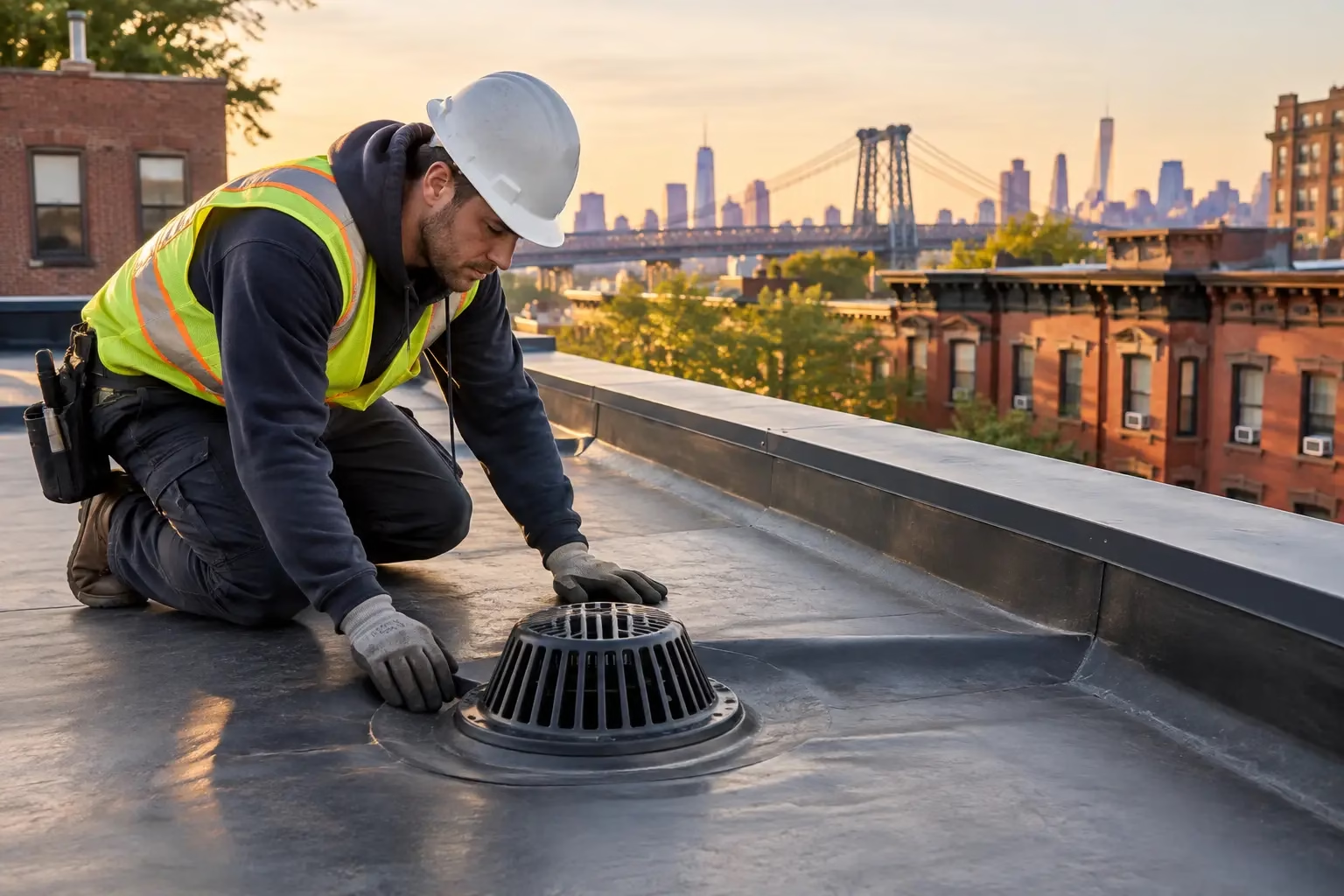
A clogged roof drain can turn a normal Brooklyn rainstorm into ponding water, interior leaks, damaged masonry, and an expensive emergency repair. The best roof drainage solutions are not one-size-fits-all products. They are properly planned systems that move water off the roof quickly, protect the building envelope, and fit the age, layout, and drainage conditions of your property.
For NYC homeowners, landlords, and property managers, drainage is especially important on flat and low-slope roofs. Brownstones, multifamily buildings, commercial properties, and older row houses often have aging leaders, undersized scuppers, patched roof surfaces, or drainage routes that were never designed for today’s heavier storms. A reliable solution starts with identifying where water is collecting and why.
Best Roof Drainage Solutions for Flat and Low-Slope Roofs
On a flat roof, water needs a clear path to a drain, scupper, or gutter system. The roofing membrane alone cannot solve a drainage problem if the roof deck has poor slope, drain bowls are blocked, or leaders are undersized. Standing water may seem harmless after a storm, but repeated ponding puts extra stress on seams, flashing, coatings, and the roof structure below.
Interior roof drains are often the most effective choice for larger flat roofs. These drains collect water at low points and send it through internal piping, protecting the drainage route from freezing conditions and exterior damage. They work well on many apartment buildings and commercial roofs, but they require regular cleaning and careful maintenance. A blocked internal drain can hold a large amount of water on the roof, so strainers and drain bowls should never be ignored.
Scuppers are another practical option, particularly on parapet-wall roofs common in Brooklyn. A scupper is an opening through the parapet that lets water exit into a leader head and downspout. Scuppers are visible and easier to inspect than concealed drains, but they must be sized correctly and kept open. If leaves, roof debris, or ice block the opening, water can back up against the parapet and find its way through aging masonry or flashing.
For smaller low-slope roofs, properly installed gutters and downspouts can be a cost-effective solution. Gutters need enough pitch to direct water toward the outlet, solid fastening at the fascia, and downspouts that discharge safely away from the facade and foundation. On a tight urban lot, the discharge location matters. Sending water directly onto a sidewalk, lower roof, or neighboring wall can create a different problem than the one you started with.
Fix the Slope Before Adding More Drains
Adding another drain will not always solve ponding water. If the roof deck has settled or the insulation layout creates low spots, water may never reach the drainage point efficiently. In those cases, tapered insulation, targeted roof leveling, or repairs to the substrate may be the better long-term answer.
Tapered insulation is designed to create positive slope toward drains or scuppers. It can be installed as part of a roof replacement or major repair and is often worthwhile where water regularly sits for more than 48 hours after rainfall. The trade-off is cost and added project scope, especially where parapet heights, door thresholds, curbs, and existing flashing need adjustment. Still, correcting the slope can extend roof life and reduce repeated patchwork repairs.
A contractor should also inspect for structural movement. On older NYC properties, sagging framing, deteriorated decking, or previous renovations can change the way a roof drains. Treating a structural issue as a simple roofing issue may leave the owner paying for the same leak twice.
Protect Parapets, Cornices, and Masonry From Runoff
Roof drainage does more than protect the roof. It protects the walls below it. Overflowing gutters and leaking scuppers can stain brick, wash out mortar joints, damage stucco, and saturate brownstone facades. Water that repeatedly enters masonry can contribute to cracking, spalling, and interior moisture problems.
Parapet coping and cap flashing should be checked whenever drainage work is performed. Water that cannot leave the roof properly often sits at the base of the parapet, where failing flashing allows it into the wall assembly. On historic buildings, cornices and decorative elements are also vulnerable when runoff is uncontrolled. A cracked leader head or loose downspout can send concentrated water across areas that were never meant to stay wet.
This is why roof drainage, waterproofing, masonry repair, and facade restoration often need to be considered together. The cheapest repair is not always the best value if it addresses only the visible leak and leaves the water path unchanged.
Maintenance Prevents Most Drainage Failures
Even the best-designed roof drainage system needs basic maintenance. Leaves, plastic debris, tennis balls, nesting material, and loose roofing granules can clog a drain or scupper quickly. Trees near the building increase the need for seasonal cleaning, especially in neighborhoods with mature street trees such as Park Slope, Brooklyn Heights, and Carroll Gardens.
Property owners should have flat roofs inspected at least twice per year and after major storms. The inspection should include drain strainers, scuppers, gutters, leader heads, downspouts, seams around drains, flashing, and areas where water is known to collect. If there is an active leak, bubbling paint on the top floor, water marks near a parapet wall, or a gutter pulling away from the building, do not wait for the next rainfall.
Avoid relying on temporary drain covers, loose mesh, or improvised patches. These may create another obstruction or hide a problem that needs repair. A professional inspection can determine whether cleaning is enough or whether the system needs re-pitching, drain replacement, flashing work, or a broader roof repair.
Best Budget Construction in Brooklyn & NYC
At Best Budget Construction, we approach drainage problems as building-envelope issues, not just roof surface issues. Our team evaluates the roof condition, drainage points, flashing, parapets, leaders, and nearby masonry so the recommended repair matches the actual source of the problem. This matters for brownstones, mixed-use buildings, and older properties where water can travel before it becomes visible inside.
We provide practical repair and restoration options for property owners who need dependable work without unnecessary upgrades. Whether the right answer is clearing and repairing scuppers, replacing damaged gutters, rebuilding deteriorated leader connections, correcting localized slope, or coordinating roofing and masonry repairs, the goal is the same: move water away from vulnerable areas and keep it there.
License & Insurance credentials for all services
Roof and exterior work should never be treated as casual maintenance. Ask who will be on the roof, how adjacent surfaces will be protected, and whether the contractor understands the building’s drainage route from roof to ground. License & Insurance credentials for all services help protect owners, tenants, and the property during active work.
A clear written scope is equally important. It should explain what is being repaired, whether debris removal and drain cleaning are included, how existing roof surfaces will be protected, and what conditions may require additional work once damaged areas are opened.
100% OSHA guidelines compliant
Drainage repairs frequently involve roof edges, ladders, scaffolding, and work above public sidewalks. 100% OSHA guidelines compliant job practices are part of responsible project planning, particularly in dense NYC blocks where pedestrians, neighboring buildings, and parked vehicles are close to the work area.
Proper safety procedures also support better workmanship. A crew that has safe access to the roof can inspect drainage points, flashing, parapets, and leader connections thoroughly instead of making rushed repairs from unsafe positions.
Choose a Solution Based on the Water Path
The right drainage solution depends on your roof type, roof size, existing plumbing, parapet design, surrounding trees, and the condition of the building exterior. A small gutter repair may be enough for one property. Another may need a new scupper, rebuilt leader head, tapered insulation, or a full roofing and waterproofing plan.
The key is to act before repeated ponding and overflow turn into damaged ceilings, failing masonry, or structural rot. A qualified inspection gives you a clear picture of the cause, the repair options, and the cost before the next storm exposes the weakness.
Free Estimate Call (917) 674-9488
If water is sitting on your roof, spilling over gutters, leaking near a parapet, or staining your facade, schedule an on-site evaluation. Free Estimate Call (917) 674-9488 to discuss roof drainage repairs, waterproofing needs, and practical options for your Brooklyn or NYC property.
