

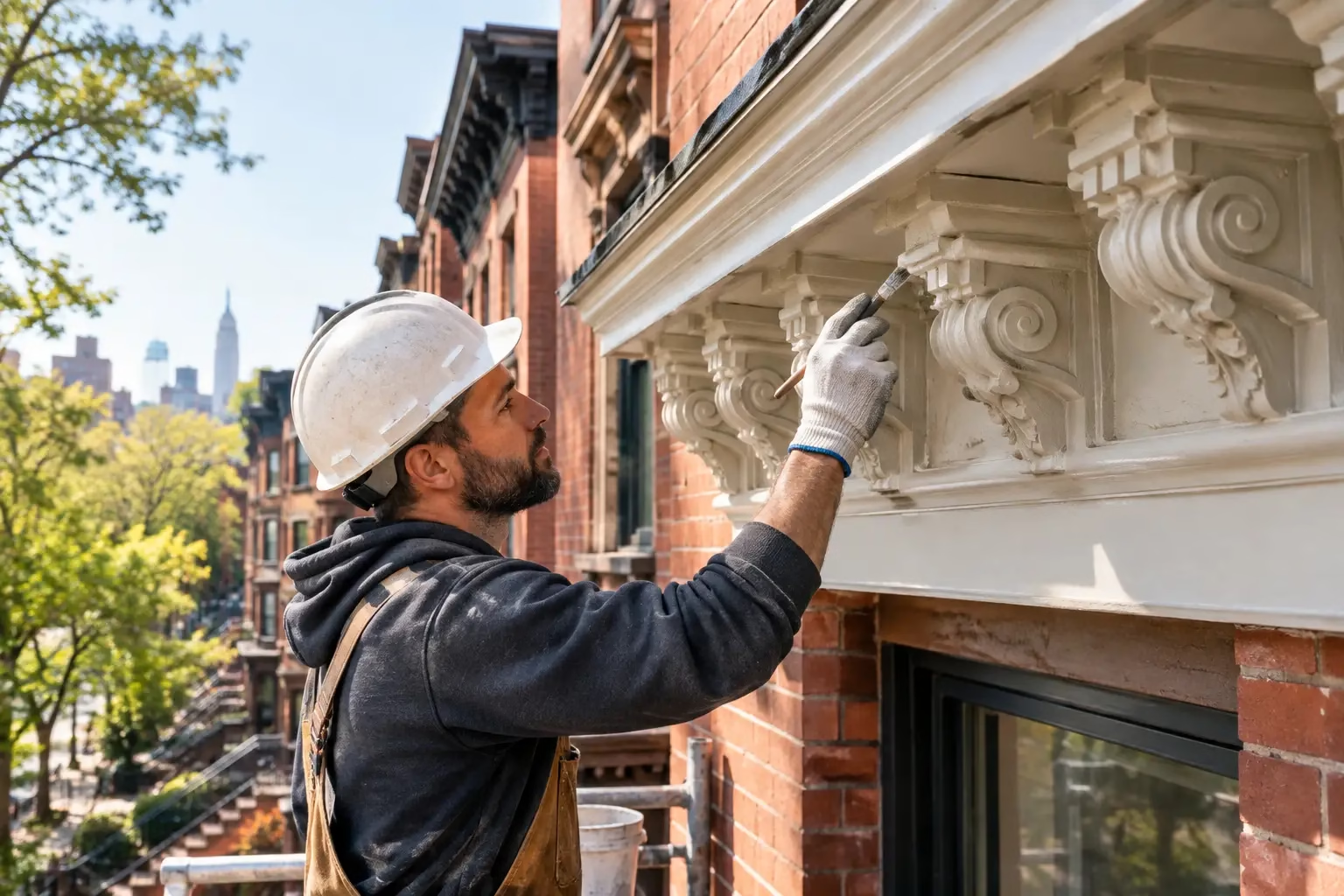
A damaged cornice is not just an appearance issue above a Park Slope brownstone or mixed-use building. Loose metal, cracked masonry, rotted wood, and failing paint can allow water into the facade and create a real safety concern at the sidewalk below. Cornice restoration in Park Slope requires close inspection, practical repair planning, and workmanship that respects the building while addressing the source of the damage.
Park Slope has no shortage of properties with original architectural details. Those details give a building character, but they also need regular maintenance after decades of rain, snow, temperature changes, and city exposure. Waiting until pieces begin falling, staining appears on the facade, or a leak reaches the interior can turn a manageable repair into a larger restoration project.
Why Park Slope Cornices Deteriorate
A cornice sits at one of the most exposed points on a building. It takes direct weather, holds moisture in seams and joints, and often has layers of old paint covering early warning signs. On historic brownstones, the cornice may be galvanized sheet metal over wood framing, while other buildings may have masonry, cast stone, terracotta, or decorative plaster elements. Each material fails differently, so a one-size-fits-all repair is rarely the right answer.
Metal cornices commonly rust from the inside out where water enters open seams or failed flashing. Wood components can rot behind painted surfaces. Masonry cornices may crack, lose mortar, or shed pieces after repeated freeze-thaw cycles. In some cases, the visible issue is only the final symptom of a roof drainage or parapet problem above it.
The most common warning signs include bubbling paint, rust streaks, cracked joints, missing decorative sections, sagging profiles, open seams, and water staining below the roofline. Property owners should also take seriously any loose material over an entrance, sidewalk, or storefront. A quick visual repair may hide the problem temporarily, but it will not stop moisture from continuing behind the surface.
What Proper Cornice Restoration in Park Slope Includes
The right scope begins with an on-site assessment. A contractor should inspect the cornice itself, the parapet, roof edge, leaders and gutters, flashing, facade condition, and access requirements. The goal is to identify whether the work calls for targeted repair, partial rebuilding, or full replacement of unstable areas.
For a metal cornice, restoration may involve removing failed sections, treating or replacing rusted substrate, fabricating matching metal pieces, repairing seams, and priming and painting the completed work. For wood elements, damaged material should be removed back to sound framing before new components are installed and protected. Masonry work may require careful removal of loose material, rebuilding areas with compatible mortar, patching profiles, and addressing cracks that allow water penetration.
Matching the original profile matters, especially on a visible street-facing facade. A simple flat patch can look out of place and may not perform well where the existing cornice uses returns, brackets, moldings, or decorative bends. Experienced restoration work balances preservation with durability. If an exact historic replication is not practical or within the project budget, the contractor should explain the alternatives clearly before work begins.
Repairing the cause is just as important as repairing the detail. If water is entering through a damaged roof membrane, broken coping, poor flashing, or clogged drainage, that issue needs to be corrected with the cornice work. Otherwise, new paint and metal will be exposed to the same failure conditions.
Repair, Rebuild, or Replace?
Targeted repair makes sense when deterioration is limited and the underlying structure is still sound. This can be a cost-effective option for isolated rust, a small open seam, minor wood damage, or localized masonry loss.
Partial rebuilding is often needed when one area, such as a corner return or a section above a downspout, has deteriorated beyond repair while adjacent sections remain stable. Full replacement may be the safer long-term choice when hidden rot, extensive corrosion, or repeated patching has weakened the entire assembly.
The lowest initial price is not always the best value. Patching a cornice with widespread hidden damage can lead to another repair within a short period. On the other hand, full replacement is unnecessary if careful restoration can preserve a substantial amount of sound original material. The right decision depends on condition, access, material, design complexity, and the building owner’s maintenance goals.
License & Insurance credentials for all services
Exterior restoration work in Brooklyn should be handled by a properly licensed and insured contractor with a clear safety plan. Cornice repairs can involve ladders, scaffolding, sidewalk protection, elevated work, and public-facing safety concerns. Property owners and managers should know who is performing the work, how the site will be protected, and what is included in the estimate.
Best Budget Construction in Brooklyn & NYC provides restoration and repair work with a practical, project-focused approach. As a full-service contractor, our team can also address related roofing, brick pointing, facade repair, waterproofing, painting, and masonry issues when they affect the cornice. That helps eliminate the delays and finger-pointing that can happen when multiple trades are trying to solve one connected exterior problem.
A detailed estimate should identify the affected area, the proposed repair method, materials, access needs, surface preparation, finishing work, and any related drainage or roof repairs. It should also distinguish between confirmed damage and potential concealed conditions. Older buildings can reveal additional deterioration once damaged sections are opened, and honest communication about that possibility protects the owner from surprises.
100% OSHA guidelines compliant Work Practices
Safety is part of a proper restoration, not an add-on after the work has started. A cornice project may require controlled work zones, debris containment, proper ladder or scaffold setup, personal protective equipment, and protection for residents, pedestrians, and neighboring properties. Work should be planned around the conditions of the site rather than rushed because a repair appears small from the street.
A 100% OSHA guidelines compliant approach also supports better workmanship. When crews have safe access to the full repair area, they can prepare surfaces correctly, fasten replacement sections properly, seal seams, and complete finishing work without cutting corners. For occupied residential buildings and storefronts, planning access and cleanup carefully also reduces disruption.
Protect Your Investment After Restoration
Fresh paint alone does not preserve a cornice. After restoration, periodic inspections can catch early paint failure, clogged drainage, loose sealant, and minor rust before they become expensive structural repairs. Property owners should look at roof edges and facade details after major storms and arrange maintenance before winter if water is collecting near the parapet or gutters.
Keep roof drains and leaders clear, repair roof flashing when it fails, and avoid allowing water to run directly over decorative metal or masonry. If your building has a history of leaks or recurring rust in the same area, ask for the full water path to be evaluated rather than repairing only the visible damage.
Free Estimate Call (917) 674-9488
If your Park Slope property has a cracked, rusted, loose, or leaking cornice, do not wait for a small exterior defect to become a sidewalk hazard or interior water problem. Best Budget Construction can inspect the condition, explain practical repair options, and provide a straightforward estimate based on the actual scope of work.
Call (917) 674-9488 for a free estimate. A well-planned restoration can protect the roofline, preserve the building’s character, and give you a repair that holds up through New York weather.
