

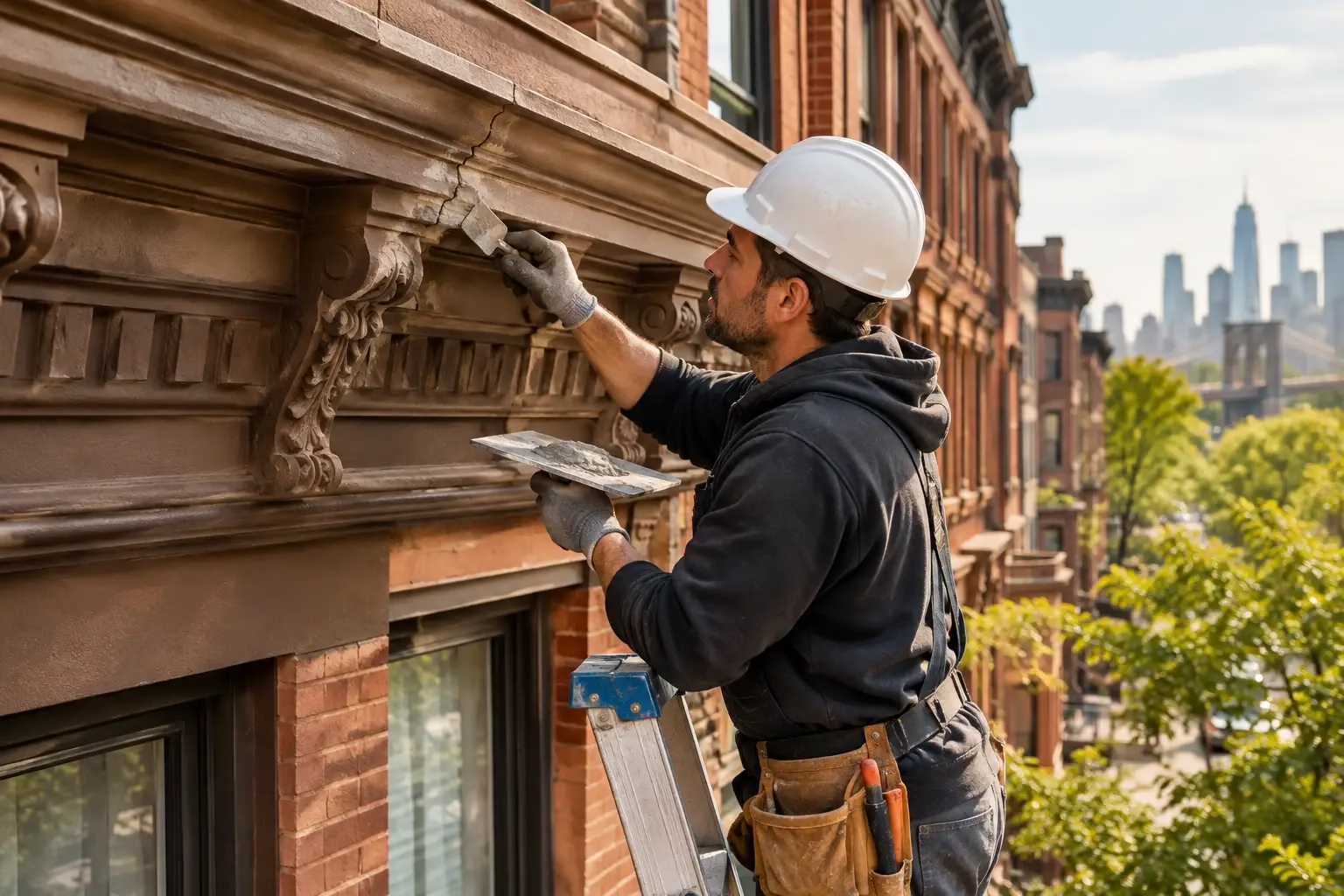
A crack in a cornice is not just a cosmetic problem above the sidewalk. On a Brooklyn brownstone or older NYC commercial building, it can be the first visible warning that water, rusting metal, loose masonry, or failing support material is working behind the decorative surface. Left alone, a small crack can become a falling-piece hazard, a leak path, and a much larger restoration bill.
Cracked cornice repair needs a close, hands-on inspection before anyone starts patching. The right repair depends on what the cornice is made of, why it cracked, and whether the problem is isolated or part of broader facade deterioration.
What Causes a Cornice to Crack?
Most cornice damage in New York City starts with water. Rain enters through failed roof flashing, open mortar joints, deteriorated coping, or an old paint system. During winter, trapped moisture freezes and expands. Over repeated seasons, that movement breaks apart masonry, stucco, terracotta, cast stone, wood, or metal sections.
On historic brownstones in Park Slope, Brooklyn Heights, Bed-Stuy, and Cobble Hill, we also see cracks caused by age-related movement and deferred maintenance. Original materials have been exposed to decades of traffic vibration, temperature swings, roof runoff, and repairs that may not have matched the existing construction.
A visible crack can also point to a structural issue. Steel embedded within a masonry cornice may rust, expand, and push the surrounding material outward. A sagging wood cornice may have rot behind painted trim. If a repair only covers the face of that damage, the crack commonly returns.
When Cracked Cornice Repair Cannot Wait
Not every hairline crack requires emergency work, but cornices sit high above people, entrances, and public sidewalks. Property owners should move quickly when there are loose pieces, bulging areas, fresh staining below the roofline, open joints, or material collecting on the sidewalk.
Pay particular attention after heavy rain, snow, or a freeze-thaw cycle. Water stains on the top-floor interior wall or ceiling can be connected to cornice and roof-edge failure. So can peeling paint and soft plaster near the exterior perimeter.
For landlords and commercial owners, prompt action is also a practical liability decision. A loose facade element can create a safety problem for tenants, pedestrians, and neighboring properties. Temporary protection may be needed while the permanent scope is planned.
A patch is not always a repair
Surface filler has a place when damage is shallow and stable. It is not the answer for a cracked section with movement behind it, rusted metal, rot, or missing substrate. Good cornice work starts by removing failed material until sound material is reached, not by painting over the symptoms.
The trade-off is straightforward: a small cosmetic patch costs less upfront, but it can waste money if moisture continues behind it. A properly scoped repair may require more preparation, access equipment, and material replacement, yet it is built to address the cause.
How Professional Cracked Cornice Repair Is Done
A dependable contractor first reviews the full roofline, not only the crack. This includes the cornice face, underside, returns, parapet, coping, gutters, leaders, flashing, pointing, and nearby masonry. The goal is to identify every route water could be taking.
Damaged or loose sections are then carefully removed. Depending on the building, the crew may stabilize framing, treat or replace corroded metal, rebuild masonry, replace deteriorated wood, or recreate missing profiles with appropriate exterior repair materials. Historic details should be matched as closely as practical so the repaired section does not look like an afterthought.
Once the substrate is stable, the cornice profile is rebuilt and finished. That can involve mortar restoration, stucco work, metal fabrication, wood repair, or a combination of materials. Priming, coating, and proper sealing matter, but paint is the final layer of protection, not the repair itself.
Just as important, the water source must be corrected. If failing flashing or roof drainage caused the crack, those items should be repaired at the same time. One contractor who can handle cornice restoration, roofing, masonry, waterproofing, and painting helps prevent gaps between trades.
Access, permits, and occupied buildings
The size and location of the damage affect the project plan. A low rear cornice may be accessible by ladder, while a multi-story street-facing facade may need scaffolding, a lift, sidewalk protection, or other site controls. NYC building conditions do not leave much room for shortcuts.
For occupied brownstones, apartment buildings, and storefronts, the work should be organized around safe access, clean containment, and clear scheduling. A professional estimate should explain what is being repaired, what caused the deterioration when known, what access is needed, and what related work is recommended.
Best Budget Construction in Brooklyn & NYC
Best Budget Construction handles exterior repair with the same practical approach used on interior renovation projects: inspect the condition, explain the scope in plain language, and complete the work without cutting corners that create another repair next season. For properties with aging cornices, combining repairs with brick pointing, facade restoration, roof-edge work, waterproofing, and professional painting can be more efficient than hiring separate crews.
That matters especially for owners trying to protect the appearance and value of a brownstone while keeping costs controlled. The lowest quote is not always the affordable choice if it leaves the leak, rust, or failed flashing in place. A clear scope lets owners compare real work, not vague promises.
License & Insurance credentials for all services
Cornice work is elevated exterior work, often directly over areas used by residents and the public. Hiring a contractor with License & Insurance credentials for all services protects the property owner and sets a basic standard for responsible job planning.
Ask how the crew will access the area, protect the sidewalk, remove debris, and address loose material. Ask whether the estimate includes related conditions that could affect the repair, such as flashing, masonry joints, drainage, or roof damage. These questions are not paperwork. They help prevent surprise costs and incomplete repairs.
100% OSHA guidelines compliant
Safe execution is part of a quality repair. Best Budget Construction follows a 100% OSHA guidelines compliant work approach, with attention to fall protection, secure access, debris control, and jobsite safety. On cornice projects, the work must protect both the people doing the repair and the people passing below it.
Owners should be cautious of anyone willing to work from unsafe access or dismiss visible loose material as a paint issue. Exterior restoration requires planning, especially on narrow Brooklyn streets and active commercial frontages.
Protect the Repair After the Work Is Complete
A repaired cornice lasts longer when the roofline is maintained. Clear debris from gutters and leaders, watch for overflow during rain, and inspect paint, mortar, flashing, and roof edges regularly. The best time to deal with a new open joint or peeling area is before water gets behind the finish.
For older properties, an annual exterior review is a sensible maintenance expense. It can catch small failures before they become an emergency scaffold project or an interior water-damage claim.
Free Estimate Call (917) 674-9488
If you see cracks, missing pieces, staining, or loose material at your roofline, get the condition reviewed before the next hard rain or freeze. A clear cracked cornice repair estimate should give you a realistic path forward, whether the job is a targeted repair or part of a broader facade and waterproofing plan.
The right work preserves more than a decorative detail. It keeps water out, protects the people below, and helps an NYC building continue to look cared for from the street.
