

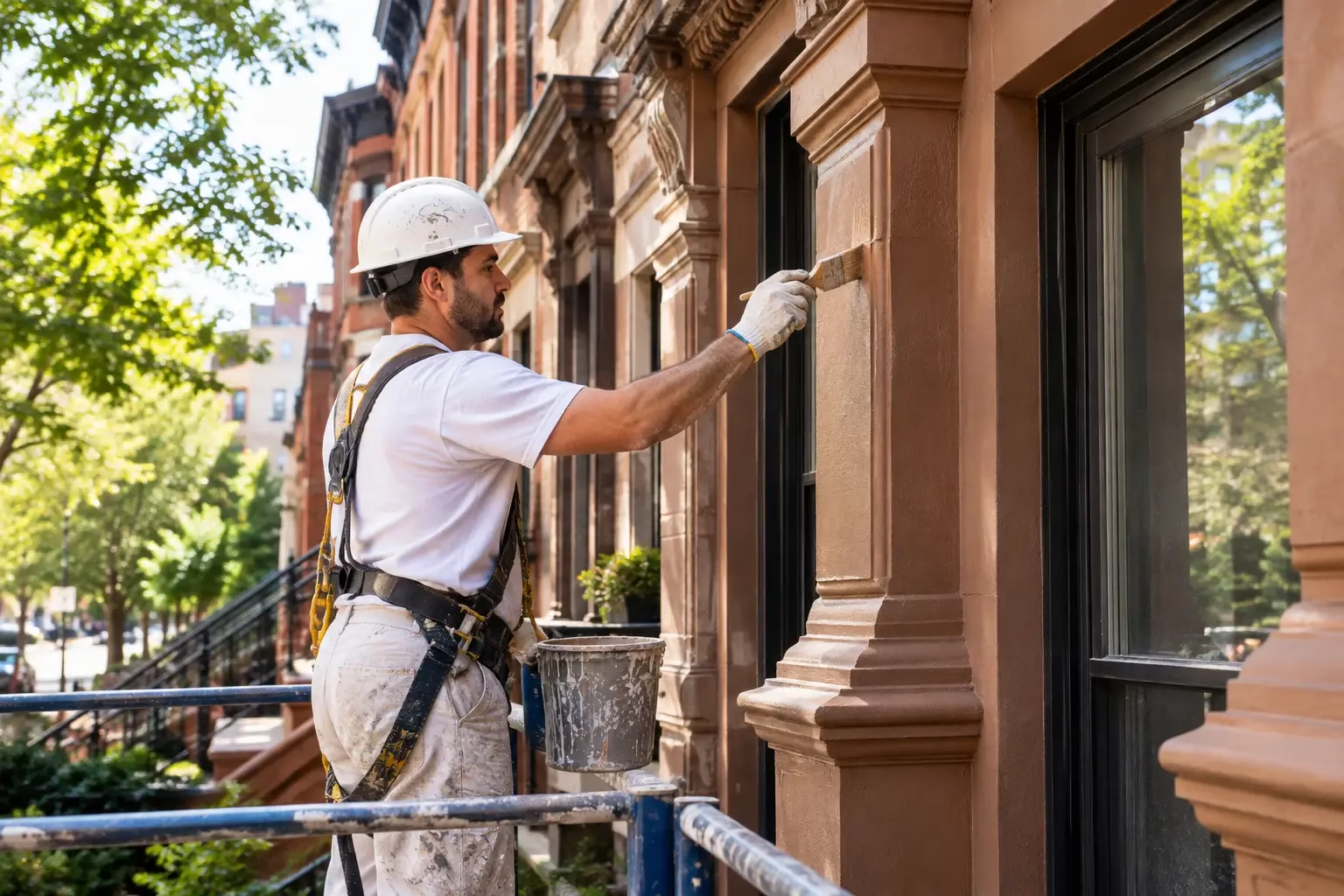
A Park Slope facade rarely fails all at once. It starts with a hairline crack beside a window, paint lifting near the parapet, or mortar turning sandy along the stoop. Then rain finds the opening, freeze-thaw weather widens it, and a cosmetic painting job becomes an expensive masonry repair. Facade restoration & painting in Park Slope should protect the building first and improve its appearance second.
For brownstone owners, landlords, and property managers, the goal is not simply a fresh color. It is a sound exterior that keeps water out, preserves original architectural details, and presents the property properly on a block where condition matters.
What Park Slope Facades Need Before Painting
Park Slope has a mix of brownstones, limestone-front homes, brick rowhouses, multifamily buildings, and small storefronts. Each material ages differently. A painted brick facade may need failed coating removed before it can breathe correctly. Brownstone may need patching, reshaping, and compatible repair materials. Older mortar joints often require careful repointing rather than a surface smear of cement.
The most common mistake is treating visible damage as paint failure alone. Paint can peel because of moisture behind the wall, leaking coping stones, damaged flashing, open mortar joints, or cracks around lintels. If those conditions remain, even high-quality exterior paint will not last as it should.
A proper site review looks beyond the color and the obvious cracks. We check the cornice, parapet, window surrounds, stoop connections, roofline, joints, masonry movement, and areas where water can collect. On taller buildings, safe access and sidewalk protection are part of the job planning from the start.
Restoration work that supports a durable paint job
The right scope depends on the building, but it often combines masonry restoration and painting. That can include brick pointing, crack repair, brownstone patching, cement work, stucco repair, cornice restoration, waterproofing, power washing, and repainting of metal railings or window details.
There is a trade-off to consider. Spot repairs cost less upfront and make sense when deterioration is isolated. But if mortar is failing across an entire elevation or water is entering at multiple locations, piecemeal work can lead to repeat mobilization, repeated paint touch-ups, and higher total costs. A clear inspection helps owners decide where targeted repair is enough and where a fuller restoration is the better value.
Facade Restoration & Painting in Park Slope: The Right Sequence
Exterior work lasts longer when it is done in the proper order. Painting is near the end of the process, not the beginning. Rushing to coat a damp or unstable surface can trap moisture and hide conditions that still need repair.
First, damaged material must be identified and removed carefully. Loose paint, crumbling mortar, failed stucco, deteriorated brownstone, and unsound sealant need to be addressed without causing unnecessary damage to the surrounding facade. Historic details deserve special attention because aggressive grinding, improper mortar, or the wrong patch material can alter the look of the building and create future problems.
Next comes repair and curing. New masonry work needs time to set properly. Cracks are repaired according to their cause, not simply filled over. If water is coming from above, roof edges, flashing, coping, gutters, or parapet conditions should be corrected before exterior coating begins.
Surface preparation follows. This may include washing, scraping, sanding, patching, priming, and masking windows, doors, landscaping, and adjacent surfaces. Clean preparation is what makes a paint finish look even and adhere correctly. It also prevents overspray and splatter from becoming a problem for neighbors, tenants, or storefront customers.
Finally, the appropriate primer and exterior coating system are applied. The best product depends on the substrate. Brick, stucco, wood trim, metal railings, and previously painted brownstone may each require different preparation and coating choices. A low-price paint job that uses one product everywhere is rarely the smart choice on an older Brooklyn property.
Best Budget Construction in Brooklyn & NYC
Best Budget Construction approaches exterior restoration as a building-protection project, not a quick paint service. Our team handles the connected work that Park Slope properties often need, from masonry and waterproofing to cornices, roofing details, exterior repairs, and professional painting. That means owners do not have to coordinate a painter, mason, roofer, and repair crew just to solve one facade issue.
We have worked with the realities of New York City properties since 2001: narrow access, occupied buildings, close neighbors, aging masonry, and work that must be planned around daily life. A practical estimate should explain what is damaged, what must be repaired now, what can be monitored, and how the scope affects cost.
Affordable does not mean skipping preparation or using shortcuts that fail after one winter. It means creating a realistic scope, using labor and materials where they matter most, and avoiding surprise add-ons caused by a vague initial plan.
License & Insurance credentials for all services
Exterior restoration is not a job to hand to an unverified crew with a ladder and a promise. Property owners should ask for licensing and insurance documentation, a written scope, an explanation of access and protection procedures, and clear communication about any additional damage uncovered after work starts.
Credentials matter because facade work can involve public sidewalks, neighboring properties, elevated access, structural conditions, and active tenants. A professional contractor should protect the work area, respect the building, and document changes to the scope before proceeding. For landlords and managers, that level of organization also makes it easier to keep residents informed and plan around access needs.
100% OSHA guidelines compliant Work Practices
Safety affects quality. Proper scaffold or lift planning, fall protection, controlled debris handling, and safe work zones allow restoration crews to work carefully rather than rush. Best Budget Construction follows 100% OSHA guidelines compliant work practices while keeping job sites organized for homeowners, tenants, pedestrians, and neighboring properties.
On a typical Park Slope block, space is limited. Sidewalk sheds, scaffolding, material staging, and debris removal may need coordination with building conditions and local requirements. The exact setup depends on building height, location, scope, and whether the work involves upper stories, cornices, or parapet repairs. It is better to plan this upfront than to discover access limitations after the project is underway.
Choosing Colors and Finishes That Suit the Building
A new facade color can change the entire impression of a property, but the decision should respect the architecture. Warm neutrals, historically appropriate trim colors, and clean contrast around doors or cornices often work well on Park Slope rowhouses. For commercial properties, the exterior should also support visibility and a maintained, professional appearance.
Color is only one part of the decision. Sheen matters too. High-gloss finishes can highlight imperfections on older surfaces, while flatter finishes may hide minor texture but can show dirt differently. The right choice depends on the material, street exposure, maintenance expectations, and the condition of the existing facade.
If the building is in a historic district or has preservation considerations, owners should confirm any required approvals before finalizing visible changes. Restoration work may be more constrained than ordinary maintenance, particularly when it affects original ornament, masonry, windows, or front-facing exterior details.
Free Estimate Call (917) 674-9488
If paint is peeling, mortar is falling out, cracks are spreading, or water stains are appearing inside near an exterior wall, do not wait for the next heavy rain to reveal the full problem. A free estimate can identify whether you need targeted painting, masonry repair, waterproofing, or a complete facade restoration plan.
Bring photos, point out areas that worsen after storms, and mention any prior repairs that did not hold. Those details help create a more accurate scope and a practical budget. A well-maintained facade does more than improve curb appeal. It protects the building you have already invested in.
