

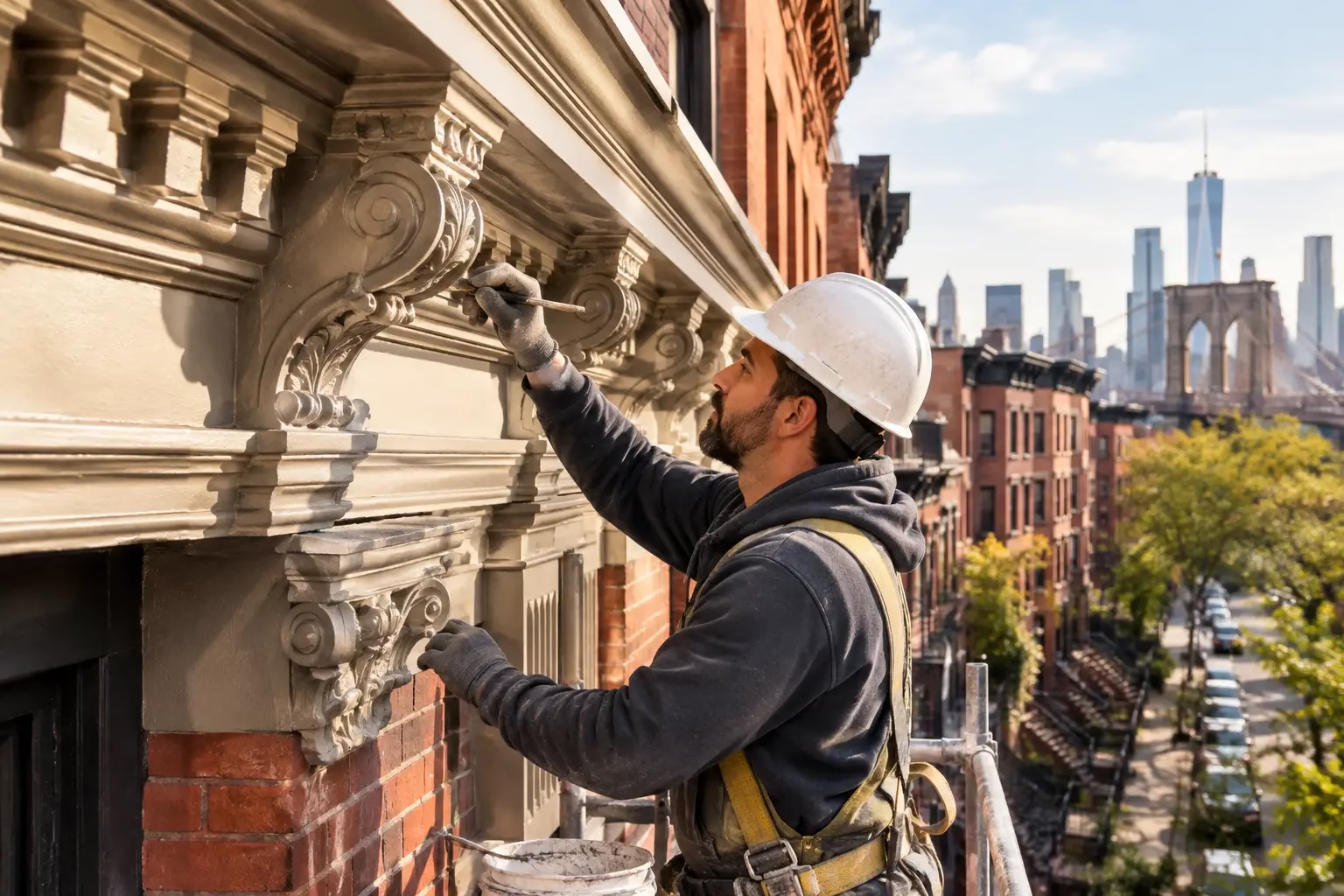
A cornice is easy to ignore until pieces begin falling, paint starts peeling in sheets, or water stains show up along the top-floor ceiling. On Brooklyn brownstones, mixed-use buildings, and older commercial facades, decorative cornice restoration is not simply a cosmetic upgrade. It is exterior protection work at one of the building’s most exposed edges.
A failing cornice can let water enter behind the facade, loosen masonry, damage roofing details, and create a public-safety concern below. The right repair starts with an honest site inspection, not a quick coat of paint or a guess from the sidewalk.
What Decorative Cornice Restoration Actually Fixes
Historic and decorative cornices were often built from galvanized sheet metal, wood, terracotta, cast stone, brick, or a combination of materials. In NYC, decades of snow, wind, sun, roof runoff, and freeze-thaw movement can break down both the ornament and the structure behind it.
The visible problem may be rust, missing brackets, open joints, cracked molding, or a sagging edge. The source of the failure may be somewhere else: a leaking roof flashing, blocked gutter, deteriorated parapet, failed sealant joint, or masonry that can no longer hold fasteners securely. Restoring the appearance without correcting the water path usually means the same damage returns.
A proper scope can include removing loose material, stabilizing the remaining cornice, replacing deteriorated sections, rebuilding profiles to match the original design, repairing supporting wood or metal framing, sealing joints, priming bare metal, and applying a durable finish system. Where replacement is needed, the goal is to preserve the character of the facade while giving the building a reliable weather barrier.
Signs Your Cornice Needs Professional Attention
Property owners should not wait for a large section to detach. Some warning signs are subtle at first, especially from street level. Rust streaks running down the facade, bubbling paint, dark staining below the roofline, cracked seams, and small pieces of metal or masonry on the sidewalk all deserve a closer look.
Inside the building, top-floor water stains, damp plaster near exterior walls, or recurring leaks after storms can point to a cornice or parapet problem. For landlords and property managers, repeated patch repairs in the same area are another clear signal that a larger cause has not been addressed.
In neighborhoods with attached brownstones, one neglected cornice can also affect adjacent conditions. Water can travel behind shared walls, and failing details near a property line may complicate access, scaffolding, and repair scheduling. Early inspection gives owners more choices and can prevent an emergency repair from becoming the only option.
How We Approach a Cornice Repair Project
Every building has a different history, so restoration should be based on what is actually present, not a one-size-fits-all package. A small localized metal repair has a very different scope from a full cornice rebuild on a landmark-era townhouse.
Start With Access and a Close Inspection
The first step is safe access. That may involve ladders, scaffolding, a lift, or sidewalk protection depending on height, condition, and site requirements. Once the team can inspect the cornice up close, we can identify loose areas, measure profiles, check flashings and roof transitions, and determine whether the supporting substrate remains sound.
Photos from a close inspection matter. They help the owner understand what is damaged, distinguish urgent safety repairs from recommended preservation work, and review a clear estimate before construction starts.
Repair the Cause, Not Only the Surface
A painted-over crack is not a repair. If corroded metal has thinned, it may need to be cut back and replaced. If water is entering from failed flashing, that flashing must be corrected before the restored cornice is closed up. If wood framing is soft or masonry anchors are loose, those components need attention as part of the same scope.
This is where a full-service contractor helps. Cornice work may overlap with roofing, brick pointing, facade restoration, waterproofing, and painting. Coordinating those trades under one plan reduces the risk of one repair damaging another or leaving an unfinished transition at the roofline.
Match the Building’s Profile and Finish
Decorative details give brownstones and older NYC buildings their identity. When sections must be rebuilt, measurements and templates are used to reproduce the existing profile as closely as practical. The objective is not to make an old building look artificially new. It is to restore clean lines, sound material, and a finish that belongs on the facade.
Material selection depends on the original construction, expected exposure, budget, and any preservation requirements. Metal can be a practical choice for detailed profiles and long-term durability when properly prepared and coated. Wood may be appropriate for certain historic details but requires disciplined maintenance. Cementitious or molded repair materials can work in select areas, but they must be compatible with the existing substrate and water-management plan.
Decorative Cornice Restoration Costs in Brooklyn and NYC
There is no honest flat price for cornice restoration without seeing the building. The cost is driven by access, height, extent of deterioration, material, decorative complexity, roof and flashing repairs, permit needs, and whether loose conditions require immediate safety work.
A limited repair may be cost-effective when most of the cornice is stable and damage is confined to a few sections. Full replacement can make more financial sense when corrosion or rot is widespread, previous patching has failed, or the support structure has deteriorated. The lower initial price is not always the lower total cost if repeated patch jobs are likely.
For owners managing a budget, we recommend separating the proposal into urgent stabilization, water-source repairs, and restoration work where possible. That creates a practical plan without hiding necessary work. Best Budget Construction provides straightforward estimates so owners can understand what the property needs now and what maintenance can be planned for later.
Best Budget Construction in Brooklyn & NYC
Older buildings in Park Slope, Brooklyn Heights, Cobble Hill, Bed-Stuy, and similar neighborhoods need contractors who understand dense urban sites as well as historic exterior details. A cornice project can involve sidewalk protection, occupied apartments, neighboring properties, roof access, and carefully timed work around weather.
Our team handles the related exterior work that often comes with a failing cornice, including facade repair, roofing, masonry, brick pointing, waterproofing, brownstone restoration, and professional painting. That broader capability keeps responsibility clear from the first inspection through final touch-ups.
License & Insurance credentials for all services
Exterior restoration should never be treated as casual handyman work. Building owners need a contractor that can work safely around pedestrians, tenants, roof edges, and deteriorated materials. Confirm credentials before work begins, ask how the site will be protected, and make sure the written scope identifies the repair areas and materials.
Depending on the property and scope, permits or approvals may be required. Landmark district properties and buildings with significant facade changes can have additional review requirements. Planning for those factors early helps avoid preventable delays.
100% OSHA guidelines compliant
Safety is part of good restoration, not an add-on. Proper access, personal protective equipment, debris containment, controlled removal of loose material, and daily site organization protect workers, residents, and people walking below. It also protects the property from avoidable damage during construction.
Owners should be cautious of anyone willing to scrape, patch, or paint a high cornice from unsafe access. The job may appear cheaper at first, but poor preparation can leave behind loose materials, open seams, and liability concerns.
Maintain the Repair After the Work Is Done
A restored cornice will last longer when roof drainage and facade maintenance are kept under control. Seasonal checks after heavy weather can catch blocked gutters, open sealant joints, peeling coatings, and new rust before they spread. Repainting and resealing on schedule costs far less than rebuilding neglected sections.
If you notice loose pieces, active water intrusion, or visible deterioration near the roofline, keep people clear of the area and arrange an inspection promptly. Small details at the top of a building often protect everything below them.
Free Estimate Call (917) 674-9488
Whether your property needs a focused cornice repair or a larger facade and roofline restoration plan, a close inspection is the right place to start. Call for a free estimate and get a practical scope built around the condition of your building, your budget, and the work needed to keep the facade safe and presentable.
