

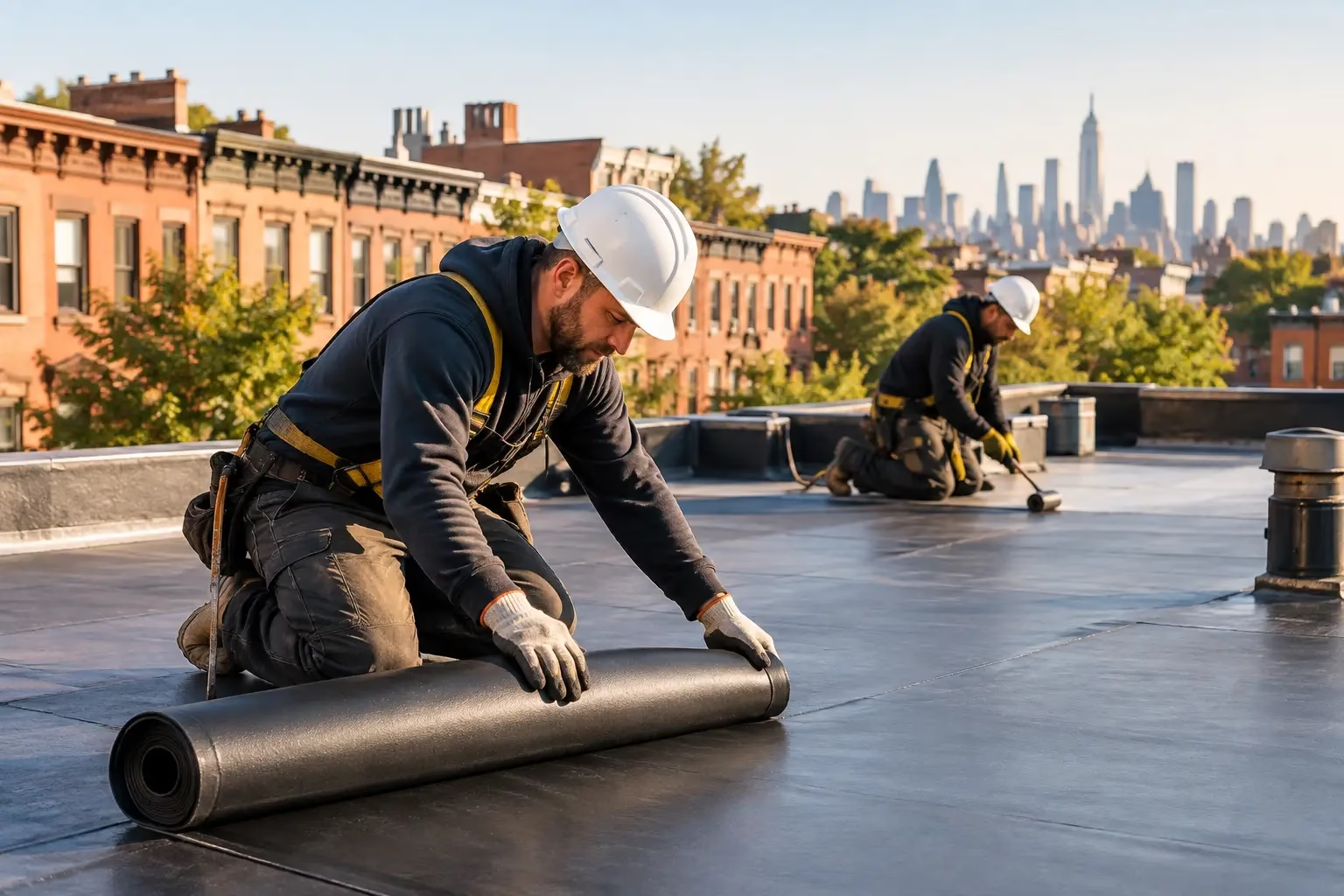
A roof leak in a Park Slope brownstone rarely stays a roof problem. Water can travel behind a parapet wall, stain a top-floor ceiling, damage plaster, and find its way into framing before the source is obvious. Choosing a flat roofing contractor in Park Slope means choosing a team that understands how Brooklyn roofs, masonry, drainage, and aging building details work together.
Flat roofs are common throughout Park Slope because they make practical use of narrow urban lots and rowhouse construction. They also take a beating from snow, standing water, summer heat, wind, and foot traffic from regular maintenance. A low price that skips preparation, flashing, or drainage corrections can turn into a much larger repair bill after the next hard rain.
What Makes Park Slope Flat Roof Work Different
Many Park Slope properties have roofs that meet old brick parapets, chimneys, bulkheads, skylights, vent stacks, and neighboring buildings at close range. These intersections are where leaks often begin. A roofing crew cannot treat the roof field as the whole job while ignoring cracked coping, loose flashing, deteriorated mortar, or a drain that does not move water fast enough.
Older brownstones and multifamily buildings also need a careful approach. The goal is not simply to cover a problem. It is to identify whether the trouble comes from failed membrane seams, ponding water, worn coating, damaged metal flashing, brick movement, or a combination of issues. That diagnosis affects both the repair plan and the cost.
A sound roof inspection should look at the membrane condition, seams, drains, scuppers, roof edges, penetrations, flashings, parapet walls, and visible masonry. If water has already entered the building, the contractor should also consider interior signs of moisture. This is especially relevant for owners who are planning a top-floor renovation, painting project, or apartment turnover. Roofing and interior repairs should be coordinated so work is not repeated unnecessarily.
When to Call a Flat Roofing Contractor in Park Slope
Do not wait for a ceiling to drip before arranging an inspection. Flat roofs usually show warning signs well before a major leak occurs. Blistering, open seams, cracked coating, loose flashing, ponding water that remains after dry weather, clogged drains, and visible splits around penetrations all deserve attention.
Inside the building, look for peeling paint near the top floor, water stains, a musty odor, bubbling plaster, or new cracks around a ceiling line. These signs do not always confirm a roof leak, since plumbing and exterior walls can also be responsible. That is why a contractor should inspect rather than guess.
Emergency repairs may be necessary when active water entry threatens apartments, electrical systems, or finishes. Still, an emergency patch is not always a permanent answer. Once conditions are dry and safe, the roof needs a full evaluation to determine whether a localized repair will hold or whether the membrane has reached the end of its service life.
Repair, Restoration, or Replacement: The Right Scope Matters
Not every damaged flat roof needs replacement. A roof with one isolated puncture, a failed seam, or worn flashing may be a strong candidate for repair if the surrounding membrane remains sound. Targeted repairs can be cost-effective and can help an owner plan for a future replacement without rushing into it.
Replacement becomes more practical when a roof has widespread cracking, repeated leaks in different areas, extensive ponding, soft substrate, or patches layered over older patches. Covering a failing system with another quick fix may feel less expensive today, but it can hide moisture and create a more complicated demolition later.
Roof coating can also be useful in the right situation. It is not a cure for wet insulation, unstable substrate, major drainage issues, or failing flashings. Coating works best as part of a properly prepared system, not as paint applied over a problem. An honest estimate should explain what is being repaired, what is being replaced, and why the recommended scope fits the roof’s actual condition.
Best Budget Construction in Brooklyn & NYC
Property owners should expect more than a crew that arrives with rolls of roofing material. Good flat-roof work starts with a clear site review and a practical discussion of options. The scope should address preparation, removal where needed, membrane installation or repair, flashing details, drainage, cleanup, and protection of the building and neighboring properties.
Best Budget Construction brings renovation, exterior repair, masonry, waterproofing, and roofing knowledge under one roof. That matters on Park Slope properties where a leak may involve more than the roofing membrane. If a parapet needs brick pointing, a cornice needs restoration, or interior water damage needs repair after the roof work is complete, coordinating the work through one experienced contractor can reduce delays and finger-pointing between trades.
Cost-conscious does not mean cutting corners. It means identifying the work that protects the property, avoiding unnecessary extras, and providing a scope that makes sense for the building’s condition and budget. A repair-first approach can be appropriate when the roof supports it. A replacement recommendation should be backed by visible conditions, not sales pressure.
License & Insurance credentials for all services
Roofing is high-risk work, especially on attached Brooklyn buildings with occupied apartments, close property lines, and limited access. Before hiring, ask for current licensing and insurance information. This protects the owner, the workers, tenants, and the property if an accident or unexpected damage occurs.
The written estimate should also be specific. It should state the roof area being addressed, the type of repair or roofing system proposed, how flashing and drains will be handled, and what cleanup is included. Vague estimates make it difficult to compare contractors fairly. The cheapest number may not include the details that keep a flat roof dry.
For commercial operators and property managers, communication is equally valuable. Tenants need notice when access, noise, odor, or rooftop activity may affect daily operations. A contractor should provide a realistic schedule and speak plainly about weather delays. Roofing schedules depend on safe, dry installation conditions, and a responsible team will not promise an impossible completion date just to win the job.
100% OSHA guidelines compliant
Roofing work requires planning before anyone steps onto the building. Safe access, fall protection, material handling, weather monitoring, and jobsite housekeeping are not optional details. They are part of doing the work correctly.
A professional crew protects entrances, sidewalks, landscaping, windows, and nearby surfaces from debris and material damage. On densely built Park Slope blocks, it also means respecting neighbors and keeping the work area orderly. Proper safety practices help prevent injuries, project interruptions, and avoidable claims.
Owners should be cautious about contractors who minimize safety concerns or offer to work around basic protections to lower the price. A roof project involves labor, materials, access, disposal, and risk. A transparent proposal accounts for all of them.
Questions to Ask Before You Sign a Roofing Estimate
A useful conversation with a contractor should leave you with clear answers, not more uncertainty. Ask whether the issue is isolated or widespread, whether moisture is suspected below the membrane, and what condition the flashing and drainage are in. Also ask how the crew will protect the property and what happens if hidden damage is discovered after removal begins.
When comparing bids, focus on scope instead of only the bottom-line number. Look for these details:
- The exact roof areas, edges, drains, and penetrations included in the work
- Whether existing roofing materials will be removed, repaired, or built over
- How parapet flashing, coping, and masonry transitions will be addressed
- What cleanup, debris removal, and site protection are included
- The expected work schedule and the process for approved change orders
These questions help an owner avoid a common mistake: assuming two estimates describe the same job when one includes essential details and the other does not.
Free Estimate Call (917) 674-9488
If your Park Slope roof is leaking, holding water, showing cracked seams, or approaching the point where repairs no longer make financial sense, get a clear evaluation before minor damage spreads. Bring photos of interior staining if you have them, but do not rely on photos alone. A roof inspection is the best way to understand the source of the problem and the right level of repair.
Call (917) 674-9488 for a free estimate. A practical roofing plan should protect your building, respect your budget, and give you confidence the next rainstorm will stay outside where it belongs.
