

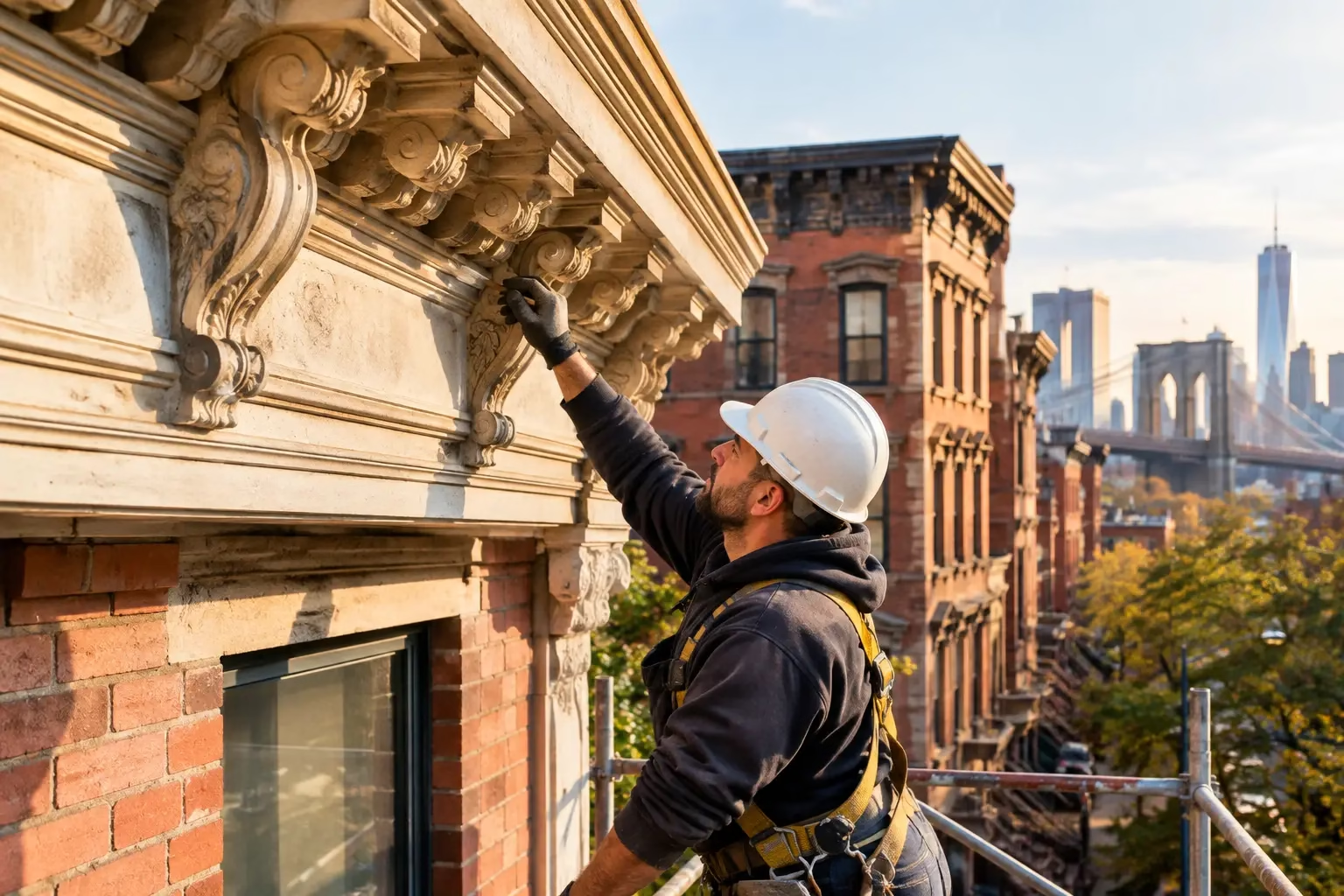
A cracked cornice is not just an exterior eyesore. On a Brooklyn brownstone or older NYC commercial building, loose metal, stone, terra cotta, or wood at the roofline can become a public-safety issue quickly. Historic building cornice restoration protects the character of the property, but it also addresses water intrusion, failing masonry, and dangerous sections that may fall onto a sidewalk below.
Property owners often wait because the damage looks limited from the street. Then a small opening behind the cornice allows water into the parapet wall, accelerates brick deterioration, and turns a focused repair into a larger facade project. The practical approach is to inspect the problem early, identify what is still sound, and repair or replace only what the building truly needs.
What Historic Building Cornice Restoration Really Involves
A cornice is the projecting decorative element at the top of a building facade, typically near the roofline. In New York City, it may be built from galvanized sheet metal, copper, cast iron, terra cotta, limestone, wood, or a combination of these materials. Each material fails differently, which is why a one-size-fits-all repair is rarely the right answer.
Historic building cornice restoration begins with determining the cause of failure. Rusting metal can split at seams and pull away from its framing. Terra cotta may crack after repeated freeze-thaw cycles. A wood cornice can rot where flashing has failed. Brick and stone support walls can deteriorate behind the visible ornament, even when the face of the cornice still appears intact.
The goal is not to cover damage with new paint or caulk and hope it holds. Proper work stabilizes the assembly, corrects the source of moisture, and preserves the original profile as closely as practical. For buildings with distinctive historic details, that profile is a major part of the property’s curb appeal and long-term value.
Signs Your Cornice Needs Professional Attention
Some damage is easy to see from the sidewalk: sagging sections, open seams, rust stains running down the facade, missing brackets, or pieces that have broken away. Other warning signs are less obvious. Water stains at top-floor ceilings, damaged interior plaster near exterior walls, or recurring leaks after roof repairs can point to trouble at the cornice or parapet.
Do not assume a fresh coat of paint solves the issue. Paint can improve appearance, but it cannot repair rusted-through metal, unstable mounting points, decayed wood framing, or failed flashing. If loose material is visible above a public walkway, act promptly. NYC weather, wind, and freeze-thaw movement can turn a minor defect into an emergency condition.
A careful site review should look at the roof edge, parapet cap, gutters and leaders, masonry joints, flashing, and the condition of the cornice itself. These elements work together. Repairing only the decorative face while ignoring a leaking roof transition is money wasted.
Repair, Rebuild, or Replace: Making the Right Call
The right scope depends on material condition, access, building height, and the amount of original fabric that remains. A sound cornice with isolated rust or small cracks may only need localized repair, patching, seam work, priming, and a proper paint system. This is often the most cost-effective option when caught early.
When sections are badly deteriorated, a partial rebuild may be more responsible. A contractor can remove failed material, repair the substrate and framing, reproduce the visible profile, and tie the work into the sound original sections. This approach keeps the historic appearance without paying to replace material that is still serviceable.
Full replacement is appropriate when the cornice has widespread corrosion, major structural failure, repeated water damage, or unsafe sections throughout. Replacement materials must be selected carefully. Modern materials can offer durability and lower maintenance, but they should match the scale, depth, and shadow lines of the original architecture. A simplified replacement that ignores the profile can make an otherwise well-maintained brownstone look unfinished.
Why Water Management Comes First
Most cornice failures begin with water. A leaking roof, poor flashing, blocked gutters, failed leaders, or cracked parapet coping sends water behind the cornice where it is difficult to see. In winter, trapped moisture expands and worsens cracks. In warmer months, it feeds rot and corrosion.
This is why cornice restoration should be coordinated with roofing, masonry pointing, waterproofing, and facade repair when needed. For example, replacing a damaged metal cornice without fixing the brick joints above it can allow water back into the new work. The lowest price on a narrow patch may not be the best value if the underlying problem remains.
For landlords and property managers, this coordination also reduces repeat mobilization costs. One experienced contractor can assess the roofline, masonry, cornice, and exterior drainage as a connected system rather than sending separate crews to diagnose pieces of the same problem.
Best Budget Construction in Brooklyn & NYC
Older properties in Park Slope, Brooklyn Heights, Cobble Hill, Bed-Stuy, and similar neighborhoods need a contractor who understands both historic finishes and real NYC building conditions. Cornice work often requires safe access, protection for sidewalks and entrances, careful removal of unstable material, and repairs that can handle harsh seasons.
Best Budget Construction approaches these projects with a practical focus: preserve what can be preserved, replace what has failed, and explain the scope before work begins. A detailed estimate should identify the damaged areas, the proposed repair method, access needs, related masonry or roofing work, and any conditions that could affect final pricing once concealed damage is opened.
Affordable does not mean cutting corners around structural support, flashing, or public safety. It means planning the work correctly, avoiding unnecessary replacement, and completing related repairs in a logical sequence.
License & Insurance credentials for all services
Cornice repair takes place at height and often above pedestrian areas. Before hiring a contractor, confirm that the team is properly licensed and insured for the work being performed. Ask how access will be handled, whether sidewalk protection is needed, and how loose or unstable materials will be removed.
You should also expect clear communication about permits and required approvals. Requirements vary depending on the building, location, scope, landmark status, and severity of the condition. A responsible contractor does not promise that every project has the same paperwork or timeline. They review the actual property and explain what applies.
100% OSHA guidelines compliant
Safety is part of quality workmanship, not an extra. Proper scaffolding or other access equipment, fall protection, debris containment, controlled removal procedures, and work-zone protection help protect workers, residents, pedestrians, and the property itself.
For occupied residential buildings and small commercial spaces, planning matters even more. Tenants need clear notice, entryways need to remain usable where possible, and exterior work should be scheduled to limit disruption. Good jobsite management is one reason a restoration project stays organized and on schedule.
How to Prepare for a Cornice Restoration Estimate
Before requesting an estimate, take clear photos from a safe ground-level position and note when you first noticed the issue. Include information about leaks, prior repairs, recent roof work, falling debris, or any notices received. This helps the initial conversation, but an in-person inspection is still necessary for a reliable scope.
During the estimate, ask whether the issue is cosmetic, structural, or water-related. Ask what material will be used, how the repaired profile will match the building, and whether adjacent roof, flashing, masonry, or paint work is recommended. You should also ask what conditions could require a change in scope after damaged material is removed.
The cheapest number is not always the lower-cost project. A vague estimate that excludes access, waterproofing details, substrate repairs, or cleanup can create expensive surprises. Look for a contractor who explains the sequence of work in plain language and puts the scope in writing.
Free Estimate Call (917) 674-9488
If your building has a cracked, rusted, sagging, or leaking cornice, do not wait for the next heavy rain or winter freeze to test it. A timely inspection can protect the facade, prevent more extensive water damage, and keep a small exterior repair from becoming a major restoration project.
The best next step is simple: have the roofline evaluated by a qualified local contractor, get a clear scope, and address the source of the problem along with the visible damage. Your building has stood for generations. It deserves repairs that respect its original character and keep it safe for the people below.
