

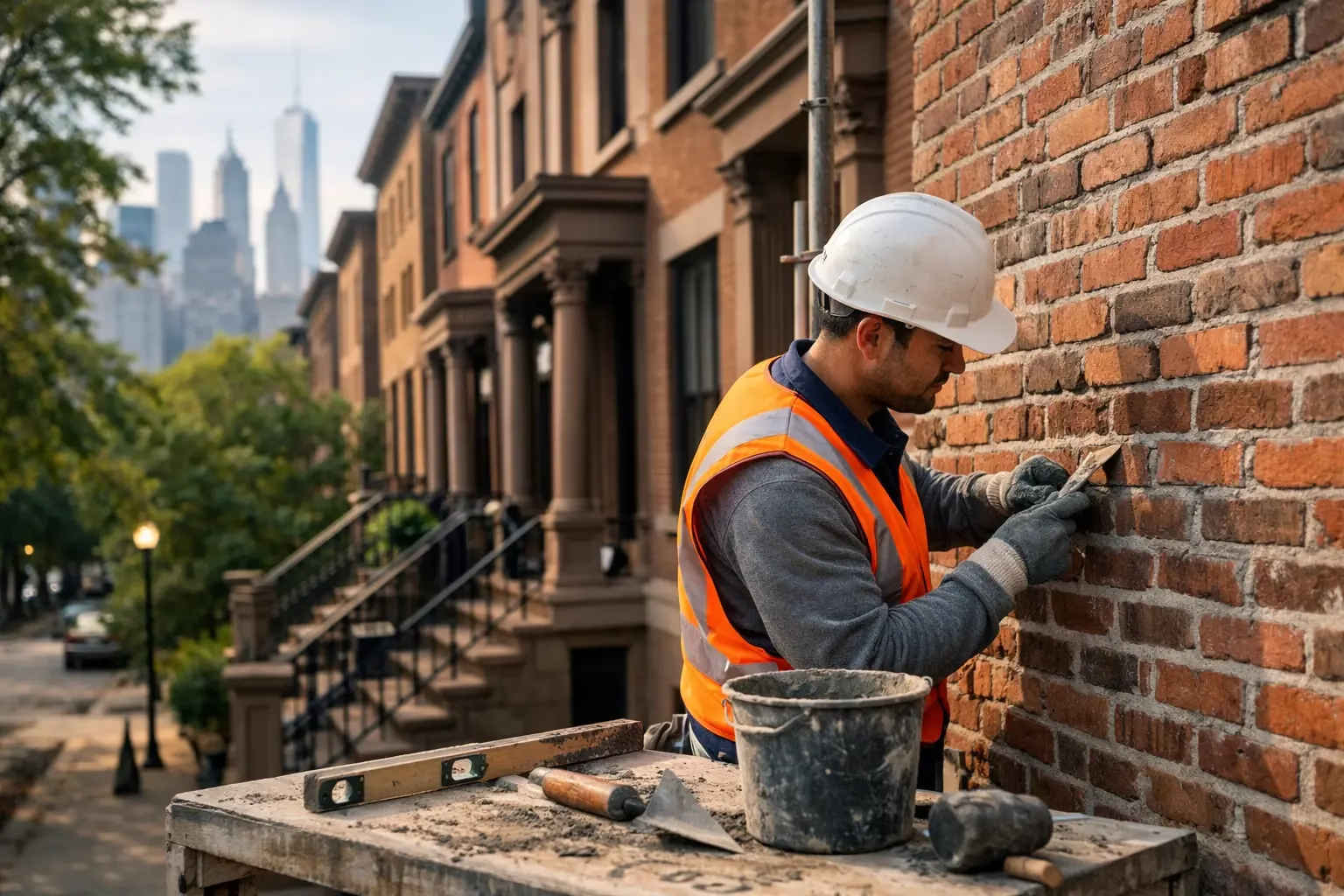
A Brooklyn Heights facade can look solid from the sidewalk while water is already working behind loose mortar, cracked brick, or a failing brownstone coating. Masonry repair Brooklyn Heights property owners schedule early can prevent a small exterior defect from turning into interior leaks, falling debris, damaged framing, and a much larger restoration bill. On a historic block, the work also has to protect the building’s character, not simply cover up the problem.
Brooklyn Heights buildings deal with decades of weather, freeze-thaw movement, street vibration, roof runoff, and past repairs that may not have used compatible materials. The right repair starts with a close inspection of the wall and the areas feeding water into it. It is hands-on work, and the details matter.
Why Brooklyn Heights Masonry Needs a Careful Approach
Brick, stone, brownstone, and mortar do not all age the same way. A brownstone front may lose its protective surface and begin to flake. Brick joints may become recessed or sandy. A parapet can crack where water sits through winter. In attached townhouses, moisture can also travel behind a facade and show up several rooms away as stains, peeling paint, or damaged plaster.
Historic masonry requires compatible repair materials and practical judgment. Mortar that is too hard can force moisture through older brick instead of allowing the wall to release it through the joints. A patch that is the wrong color, texture, or profile may stand out immediately on a prominent facade. The lowest initial price is not always the affordable choice when a rushed repair has to be removed and redone.
For owners, landlords, and property managers, the goal is simple: correct the active cause of damage, stabilize the wall, and leave the repaired area looking appropriate for the building.
Signs You Should Schedule Masonry Repair in Brooklyn Heights
A visible crack does not always mean a structural emergency, but it should not be ignored. Masonry problems tend to grow quietly as water enters, freezes, and expands. An experienced contractor looks at the full condition of the wall instead of treating every crack as the same problem.
Call for an inspection when you notice loose, missing, or crumbling mortar; bricks that are chipped, spalled, bulging, or out of alignment; cracks around windows, lintels, cornices, or parapets; brownstone that is peeling or shedding material; white mineral staining; persistent dampness on interior exterior-facing walls; or recurring leaks after rain.
You should also pay attention to loose pieces above a sidewalk, stoop, entry, or neighboring property. That is a safety issue, not a cosmetic project. Temporary protection may be needed while the damaged section is evaluated and repaired.
Water Is Usually the Real Problem
Mortar failure is often visible, but the source of moisture can be higher up. Missing flashing, failing roof edges, open coping joints, cracked sealant around windows, clogged leaders, and poor drainage can all send water into a masonry wall. Repointing one area without correcting the water path may only buy time.
This is where a contractor with broader exterior experience is useful. Masonry, roofing, waterproofing, cornice restoration, and facade repairs overlap on many Brooklyn Heights buildings. One coordinated scope helps prevent one trade from repairing over another trade’s unresolved issue.
Not Every Crack Requires the Same Repair
Hairline surface cracking in a coating may call for preparation and a compatible patch. Open mortar joints may require repointing. A cracked lintel, displaced brick, or bulging wall can require more involved structural review and replacement work. The repair depends on the location, the movement behind it, the condition of surrounding masonry, and whether water has caused hidden deterioration.
A responsible estimate explains what is included, what the contractor found, and what conditions could change once damaged material is opened. That is more useful than a vague promise to “fix the wall.”
What Professional Masonry Repair Should Include
Good masonry work is not a tube of caulk and a coat of paint. It begins with inspection, protection of the work area, and a repair plan that fits the building’s materials and condition. On an occupied property, planning also matters because access, dust control, sidewalk protection, tenant coordination, and weather all affect the schedule.
For deteriorated joints, repointing generally involves removing failed mortar to an appropriate depth, cleaning the joint, and installing new mortar in controlled lifts. The finished joint should match the existing style as closely as practical while providing a sound, weather-resistant bond. Smearing new mortar across the face of old brick may look fast, but it leaves an unprofessional finish and can cause avoidable cleanup or staining.
Damaged bricks may need selective replacement rather than broad demolition. The replacement should be chosen for a compatible size, color, and texture whenever possible. With brownstone, the work may include removing failed material, rebuilding damaged edges or details, and applying a suitable restoration system. Each facade needs its own assessment because previous coatings and repairs can significantly affect the approach.
If the issue involves a parapet, cornice, or upper facade, safe access is part of the job. Licensed and insured crews should use proper fall protection and OSHA-compliant jobsite practices. Cutting corners on access may reduce a bid, but it creates risk for workers, occupants, pedestrians, and the property itself.
Repairs That Protect Value Without Unnecessary Scope
Brooklyn Heights owners often face a real decision: complete restoration now or targeted repairs with a maintenance plan. There is no one answer. If deterioration is isolated and the rest of the facade is stable, focused repointing, brick replacement, waterproofing corrections, and preventive maintenance can be a sensible, cost-conscious solution.
If multiple elevations have widespread failed joints, recurring water entry, failing brownstone, or extensive cracking, piecemeal repairs can become more expensive over time. A larger restoration may be the better investment because it addresses the system rather than returning to the same areas every year.
The best approach is transparent about both options. A contractor should explain which work is urgent for safety and water control, which work can be phased, and where delaying repair could raise the final cost. Property owners deserve a scope built around the building’s actual needs, not a one-size-fits-all package.
Planning Around Historic Buildings and City Requirements
Brooklyn Heights has many properties where appearance, details, and long-term preservation matter as much as basic weatherproofing. Depending on the building, location, and extent of work, approvals, permits, landmark requirements, and facade safety obligations may apply. These requirements can affect materials, repair methods, access, timing, and cost.
A qualified contractor should review the proposed work before starting and coordinate the project in the proper order. Work that changes a visible historic feature may require more planning than a limited repair in a concealed area. The practical point is to avoid starting a project based on assumptions. Early review helps keep the scope realistic and reduces delays after crews are already mobilized.
Weather also affects masonry scheduling. Mortar and coatings need suitable temperatures and curing conditions. Emergency stabilization can happen when needed, but finish work may need to be timed for conditions that support a durable result. A reliable schedule accounts for that instead of making promises that the weather will not allow.
Choosing a Masonry Contractor for Your Property
Ask how the contractor will identify the source of water, not only how they will patch the visible damage. Request a written scope that separates repointing, replacement masonry, waterproofing, access, protection, and any related roof or cornice work. Confirm licensing, insurance, site safety practices, and experience with the material on your building.
It also helps to ask what the crew expects to find after opening the damaged area. Masonry repairs occasionally reveal deteriorated backing, rusted metal, or deeper water damage that cannot be confirmed from the sidewalk. Clear communication about these possibilities is a sign of professional planning, not a reason to avoid the work.
Best Budget Construction provides practical masonry, facade, brownstone, waterproofing, and exterior repair services for Brooklyn property owners who want one accountable contractor from inspection through completion. Our team focuses on straightforward scopes, careful workmanship, and repairs that address the reason the masonry failed.
If you see open joints, loose brick, facade cracking, or water stains near an exterior wall, get the condition checked before the next season of rain and freezing temperatures adds to the damage. A clear on-site estimate can turn an uncertain exterior problem into a repair plan you can act on with confidence.
