

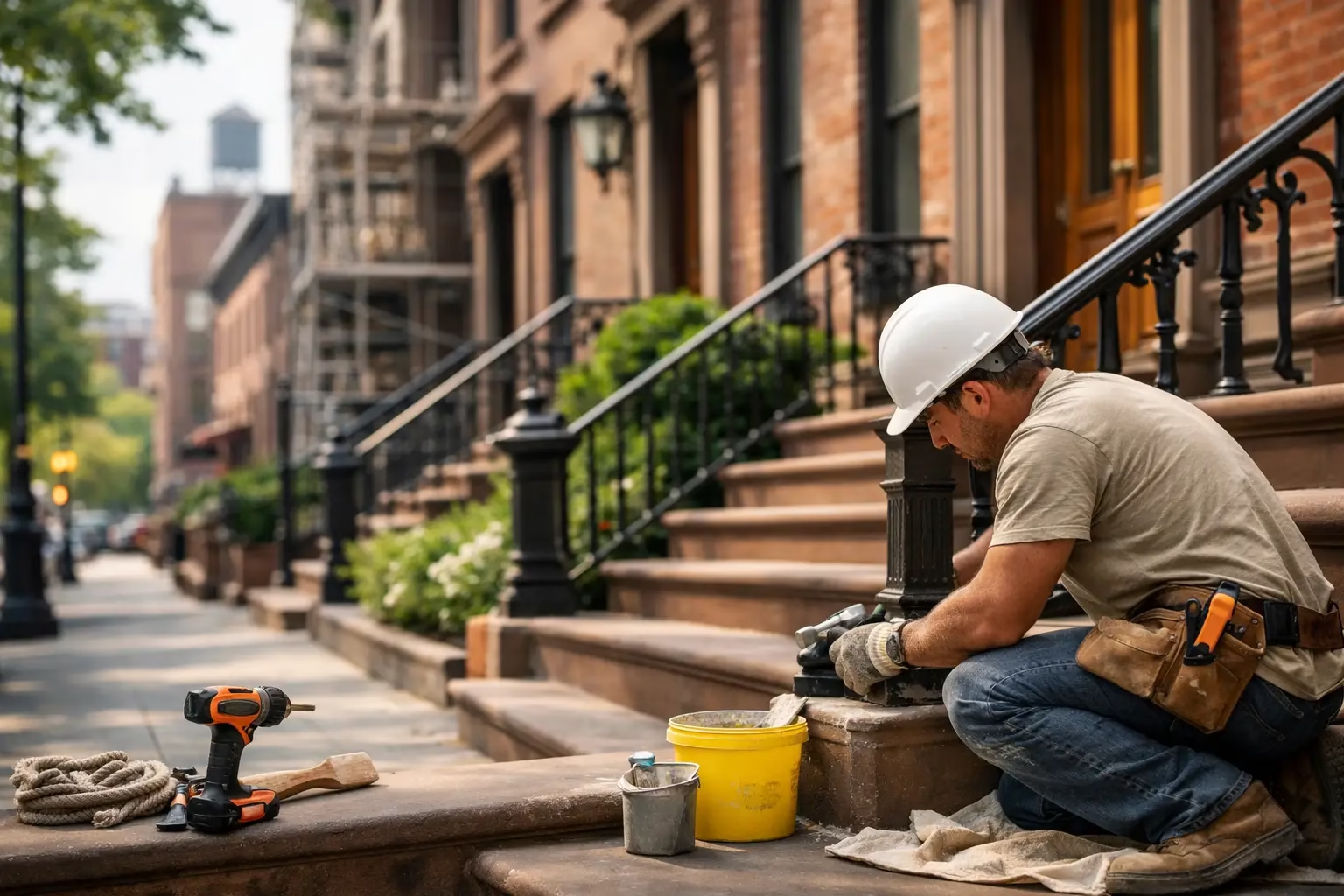
A brownstone rarely fails all at once. More often, a loose piece of coping lets in water, a hairline crack opens through a freeze-thaw cycle, or a slow roof leak reaches the plaster long before it becomes visible in a bedroom ceiling. This NYC brownstone maintenance guide is built around catching those problems while they are still manageable.
For owners in Brooklyn and across NYC, maintenance is not just about preserving curb appeal. It protects the building envelope, keeps water out of finished interiors, and helps avoid emergency repairs that disrupt tenants, family life, or planned renovation work. The best approach is steady, seasonal attention – not waiting until a facade, roof, or basement problem demands immediate action.
Start With Water: The Main Threat to Brownstones
Water is the issue behind a large share of expensive brownstone repairs. It enters from above through damaged roofing and flashings, from the front through failed masonry joints and window openings, and from below through poor drainage or foundation moisture. Once it gets into old masonry and wood framing, it can travel far from its original entry point.
Walk around the property after a heavy rain. Look for overflowing gutters, water running toward the foundation, puddles by the stoop, damp basement walls, and stains below windows or cornices. Inside, pay attention to peeling paint, musty odors, bubbling plaster, and recurring cracks. These signs do not always mean a major structural issue, but they do mean the building needs a closer inspection.
A minor roof or flashing repair may be affordable. Waiting until water damages insulation, framing, ceilings, electrical components, or historic finishes is a different project altogether. Fix the source before repairing the visible damage.
Keep Roofs, Gutters, and Flashings on a Schedule
Flat and low-slope roofs common on NYC brownstones need regular cleaning and inspection. Leaves, debris, and standing water can block drains and strain roofing materials. Check the roof at least twice a year and after major storms, especially if nearby trees drop leaves and branches.
Pay close attention to roof edges, parapet walls, drain connections, skylights, chimneys, and any area where different materials meet. These transitions are common leak points. Gutters and leaders should move water away from the house rather than dumping it beside the foundation or onto a lower roof section.
Do not assume a roof is sound because there is no active ceiling leak. Water can sit under a membrane or work its way through wall cavities before it appears indoors. A professional inspection is worthwhile when the roof is older, drains slowly, or has a history of patch repairs.
Maintain the Facade Before Small Defects Spread
The brownstone facade is both a finish surface and part of the building’s weather protection. Crumbling brownstone, missing mortar, open joints, cracked stucco, and failing paint allow moisture into the wall. In winter, trapped water freezes and expands, making a small defect much larger.
Inspect the front and rear facades from the sidewalk and yard several times a year. Look for discoloration, soft or flaking areas, cracks around window heads, open masonry joints, and mortar that has worn back from the face of the brick. Also look up. A loose cornice detail or deteriorated parapet can create a safety concern as well as a water problem.
Facade repair is not one-size-fits-all. Some buildings need spot patching and repainting. Others need brick pointing, stucco repair, brownstone restoration, or more extensive masonry work. The right scope depends on the condition of the existing materials, the cause of damage, and whether earlier repairs used incompatible products.
Using overly hard mortar on older brick, for example, can damage the brick over time. Sealing a damp wall without addressing the source of moisture can trap water inside it. An experienced contractor should diagnose the wall before proposing cosmetic work.
Treat Cornices and Parapets as Priority Items
Cornices, lintels, parapets, and decorative facade features get constant exposure to rain, snow, sun, and temperature changes. They also sit high above the sidewalk, where failure can create a serious hazard. If you see cracks, rust staining, missing pieces, or sagging sections, do not postpone an evaluation.
Cornice restoration may involve patching, rebuilding damaged sections, repairing metal components, improving drainage, and applying appropriate protective coatings. The goal is not simply to make the detail look good from the street. It is to stabilize it and keep water from entering behind it.
If your property is in a historic district, exterior changes may require additional review or approvals. That can affect materials, design details, and project timing. Plan ahead rather than starting a facade project when seasonal weather is already working against you.
Protect the Masonry, Stoop, and Sidewalk
Brick pointing is one of the most practical maintenance services for aging NYC buildings. Mortar is designed to wear before the brick does. When joints become open, cracked, or deeply recessed, water reaches the masonry behind them and can loosen more material over time.
Do not confuse ordinary aging with an emergency, but do not ignore obvious joint failure. Repointing targeted areas early is generally easier than rebuilding sections of wall after brick has deteriorated or shifted. Watch for stair-step cracks, loose bricks, white mineral deposits, and areas that remain wet longer than the surrounding wall.
The stoop and sidewalk also deserve routine attention. Cracked concrete, uneven slabs, loose railings, and damaged stair treads can become safety and liability issues. Salt and improper snow removal can accelerate surface damage in winter. Use de-icing products carefully and repair trip hazards before they become a problem for visitors or tenants.
Keep the Basement Dry and the Air Moving
Brownstone basements often show their age first. A damp smell, white powder on masonry, peeling paint, or a consistently humid room may point to water intrusion, condensation, or both. The solution depends on what is happening outside and inside the building.
Start with grading, leaders, drains, and exterior cracks. Then consider the basement itself: Is there adequate ventilation? Is a dehumidifier needed? Are plumbing lines sweating? Is the basement finished with materials that can tolerate occasional moisture? Waterproofing can be effective, but it should be part of a complete plan rather than a quick coating applied over an active leak.
If you are planning a basement remodel, resolve moisture conditions before installing drywall, flooring, cabinetry, or insulation. A finished basement can hide water issues until the repair becomes more expensive and disruptive.
Do Not Let Interior Wear Become Building Damage
Interior maintenance matters because small failures in kitchens, bathrooms, and utility spaces can affect multiple floors. Check under sinks, behind toilets, around tubs, and near appliances for slow leaks. Recaulk failing tub surrounds and shower joints before water reaches the wall cavity or the ceiling below.
Older brownstones may also have plaster cracks, worn floor finishes, aging paint, and original millwork that needs careful repair rather than replacement. Some cracks are cosmetic, while others can signal movement or moisture. The pattern matters. A crack that returns after patching, widens, or appears with sticking doors and windows deserves a professional assessment.
For landlords and property managers, documenting recurring conditions is useful. Track when leaks occur, where tenants report drafts or moisture, and which repairs have already been made. That history helps identify whether you are dealing with isolated maintenance or a larger building-envelope issue.
A Practical Seasonal Maintenance Routine
A dependable schedule keeps small work from becoming emergency work. In spring, inspect the roof, gutters, leaders, facade, and basement after winter weather. Summer is often a good time for exterior repairs, painting, masonry work, and waterproofing because materials need suitable drying and curing conditions.
In fall, clear drains and gutters, check heating-related plumbing areas, seal obvious openings around windows and doors, and make sure water is directed away from the foundation. During winter, watch for ice dams, interior condensation, active leaks, and damage caused by snow removal or freeze-thaw cycles.
For a quick owner checklist, focus on these five areas:
- Roof drains, gutters, leaders, flashing, and parapets
- Facade cracks, failing paint, brownstone patches, and loose cornice details
- Brick joints, stoop surfaces, railings, and sidewalk conditions
- Basement moisture, drainage, and signs of mold or efflorescence
- Kitchen, bathroom, and plumbing leaks that can damage finished spaces
Take clear photos during each inspection. They make it easier to monitor changes and give a contractor useful information when you request an estimate.
Choose Repairs That Address the Cause
Cost-conscious maintenance does not mean choosing the cheapest patch every time. It means spending money where it stops future damage. A small pointing repair may prevent a larger facade restoration. Replacing failed flashing may protect a recently renovated top floor. Correcting drainage may reduce repeated basement waterproofing costs.
When comparing estimates, ask what is causing the issue, what materials will be used, what preparation is included, and whether related conditions need attention. Exterior repairs especially should account for safe access, proper protection of the property, cleanup, and code or permit requirements where applicable.
Best Budget Construction helps NYC owners coordinate brownstone restoration, roofing, masonry, waterproofing, interior repairs, and painting through one licensed and insured team. For properties in Park Slope, Brooklyn Heights, Bed-Stuy, and other brownstone neighborhoods, that can mean fewer handoffs and a clearer plan from inspection through completion.
The most useful next step is simple: walk your property after the next hard rain, write down what you see, and address the water path before it has a chance to become a larger repair.
