

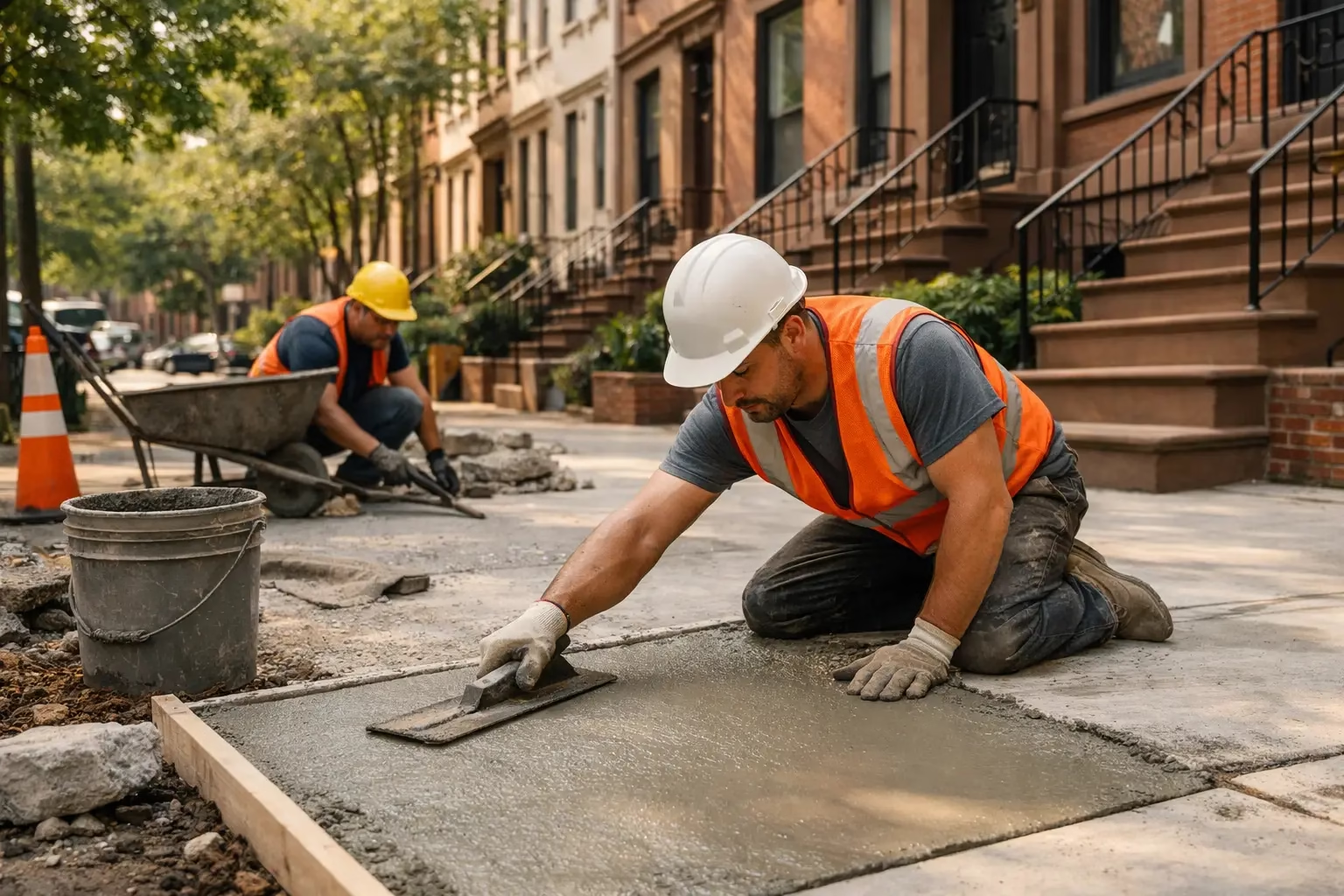
A loose slab outside a Brooklyn brownstone can become more than an eyesore after one hard winter. It can hold water, create a trip hazard, draw a city notice, and make an otherwise well-maintained property look neglected. This sidewalk concrete repair guide explains how NYC owners and property managers can assess the damage, select the proper repair, and avoid spending money on a patch that will fail next season.
Sidewalk work is not a one-size-fits-all job. The visible crack may be minor, but the cause can be poor drainage, tree roots, settled soil, failed joints, utility work, or repeated freeze-thaw movement. A dependable repair starts by identifying what moved and why.
Start With a Safe Sidewalk Inspection
Walk the full sidewalk in daylight and look at it from more than one angle. A long crack is easy to see, but changes in height between slabs are often the more urgent issue. If a toe, stroller wheel, delivery cart, or wheelchair can catch on an edge, the condition needs prompt attention.
Pay close attention to slabs near downspouts, basement entrances, curb cuts, trees, and building entrances. These locations see more water, more foot traffic, or more ground movement. In neighborhoods such as Park Slope, Brooklyn Heights, Cobble Hill, and Bed-Stuy, aging masonry buildings and mature street trees can make sidewalk movement especially common.
Signs that call for professional evaluation include a slab that rocks underfoot, concrete that is flaking or crumbling, exposed aggregate, standing water after rain, wide or spreading cracks, and sections that have settled or lifted. Mark the damaged areas and take clear photos before requesting estimates. Good documentation helps you compare proposed scopes of work instead of comparing only bottom-line prices.
Know When a Concrete Patch Is Enough
A patch can be a cost-effective solution when the concrete is generally sound and the damage is shallow and contained. Small surface spalls, minor chips along an edge, or narrow non-moving cracks may be repaired with properly prepared cementitious patch material. The damaged concrete must be removed back to sound material, cleaned, bonded, placed correctly, and cured according to the product and weather conditions.
The trade-off is straightforward: a patch repairs the surface, not the structure beneath it. If the base has washed out, the slab is moving, or a tree root is lifting the panel, a surface repair is likely to crack again. Patches are best for limited defects, not for hiding a bigger failure.
Hairline cracks also require judgment. A stable hairline crack may be sealed to reduce water entry and slow deterioration. A crack that widens, runs through the slab, or shows different heights on each side suggests movement. In that case, replacing the affected panel is usually the more durable choice.
When Slab Replacement Makes More Sense
Full or partial replacement is typically recommended when there is a vertical offset between slabs, extensive cracking, widespread deterioration, deep scaling, or an unstable base. The contractor removes the failed panel, excavates as needed, rebuilds and compacts the base, installs the concrete to the required thickness and slope, finishes the surface for traction, and cuts or forms joints so the new work can move as intended.
Replacing one panel rather than the entire walk can control cost when adjacent concrete remains level and in good condition. However, isolated replacement is not always the right answer. If several panels are settling because drainage is poor along the building line, repairing only the worst slab may leave the underlying issue in place.
A good estimate should explain the repair limits, base preparation, concrete placement, finish, protection, cleanup, and any conditions that could affect the price once work begins. It should not simply say “repair sidewalk” with no detail.
Address the Cause Before Pouring New Concrete
Concrete is strong in compression, but it cannot solve water problems or stop root pressure by itself. Before installing a new slab, inspect the conditions around it.
Water is one of the most common causes of sidewalk damage. Downspouts that discharge directly onto a walkway can wash out material below the slab. Improper slope can send water toward the building instead of away from it. Leaking leaders, poor roof drainage, and basement waterproofing problems may show up first as uneven concrete outside.
Tree roots require added care. Cutting major roots without an approved plan can harm the tree, create safety concerns, or cause additional movement later. When a street tree is involved, the work may require coordination with the appropriate city agencies and adherence to current requirements. Do not assume a contractor can simply remove roots and pour new concrete around them.
Utility cuts are another factor. If a sidewalk section was opened for gas, water, electrical, or telecommunications work, uneven settlement may occur where the excavation was backfilled. The responsible party and repair process can depend on the work history and site conditions. A site inspection helps determine whether replacement, base correction, or further investigation is appropriate.
NYC Permits and Sidewalk Responsibilities
New York City property owners are generally responsible for maintaining sidewalks next to their property in a reasonably safe condition. That responsibility can be especially significant for landlords, commercial operators, and owners of multifamily buildings where daily foot traffic is high.
Sidewalk repair may involve permits, inspections, pedestrian protection, tree-related rules, or restoration requirements. Requirements can vary based on the scope, location, curb work, vault conditions, utilities, and whether the site is in a historic district. Rules also change, so verify current NYC Department of Transportation and other applicable agency requirements before scheduling work.
This is where hiring a licensed and insured contractor matters. The lowest estimate can become expensive if it leaves out permit handling, site protection, debris removal, base work, or required restoration. Ask who is responsible for permits, notifications, barriers, and final cleanup before the job starts.
For brownstones and older buildings, sidewalk work may also connect to larger exterior concerns. A damaged sidewalk near the foundation can point to drainage issues, deteriorated areaway walls, failing stoop masonry, or water entering below grade. Coordinating masonry, waterproofing, and concrete repairs under one project can reduce repeat mobilization and prevent one repair from damaging another.
What Quality Sidewalk Repair Looks Like
Quality is visible long after the crew leaves. The new concrete should sit at a safe, consistent elevation, drain properly, and meet adjoining areas without a sharp lip. The surface should have an appropriate broom finish for slip resistance, not a slick finish that becomes hazardous when wet.
Below the surface, the base matters just as much. Loose or poorly compacted material can allow a new slab to settle quickly. Proper joint placement also matters because concrete naturally shrinks and moves with temperature changes. Joints guide that movement and help reduce random cracking.
Curing is not a detail to skip. Fresh concrete needs protection while it gains strength. Foot traffic, hand trucks, vehicles, freezing temperatures, heavy rain, and premature de-icing chemicals can all damage new work. Your contractor should tell you when the area can be used and how to protect it during the curing period.
Color deserves a realistic expectation. New concrete will often look different from older sidewalk panels at first. It weathers over time, but an exact color match is rarely guaranteed. For many properties, a clean, level, safe surface is more valuable than forcing a cosmetic match that compromises the repair approach.
How to Compare Sidewalk Repair Estimates
Price matters, especially for owners managing multiple buildings or working within a maintenance budget. But compare the scope before choosing the lowest number. One contractor may be pricing a quick skim coat while another is pricing removal, excavation, compacted base material, new concrete, protection, and disposal.
Ask whether the estimate includes demolition, haul-away, base preparation, concrete thickness, reinforcement where appropriate, finishing, curing protection, and permit-related work. Also ask how hidden conditions are handled. If the crew finds an unstable base, root conflict, void, or utility issue, you should know the approval process before additional work is performed.
Reliable contractors do not promise that concrete will never crack. Even well-installed concrete can develop minor cracking over time. What they should provide is a clear plan, honest site assessment, safe work practices, proper preparation, and workmanship that fits the condition of the property.
Prevent the Next Sidewalk Failure
After repairs are complete, keep gutters and leaders functioning so water does not discharge onto the walk. Watch for ponding after storms, clear debris from drainage paths, and address small cracks before water reaches the base. Avoid using harsh de-icing products on fresh or deteriorated concrete, particularly during the first winter after installation.
For rental and commercial properties, add sidewalk checks to your regular maintenance routine. A quick inspection after winter, heavy rain, utility work, or nearby construction can catch a developing problem before it becomes a liability concern or a larger replacement project.
If your sidewalk has settled, cracked, or become unsafe, do not wait for another freeze-thaw cycle to make it worse. Best Budget Construction provides practical, licensed and insured sidewalk concrete repair for Brooklyn and NYC properties, with clear scopes and estimates built around the actual condition of the site. The right repair protects pedestrians, your building, and the budget you planned for maintenance.
