

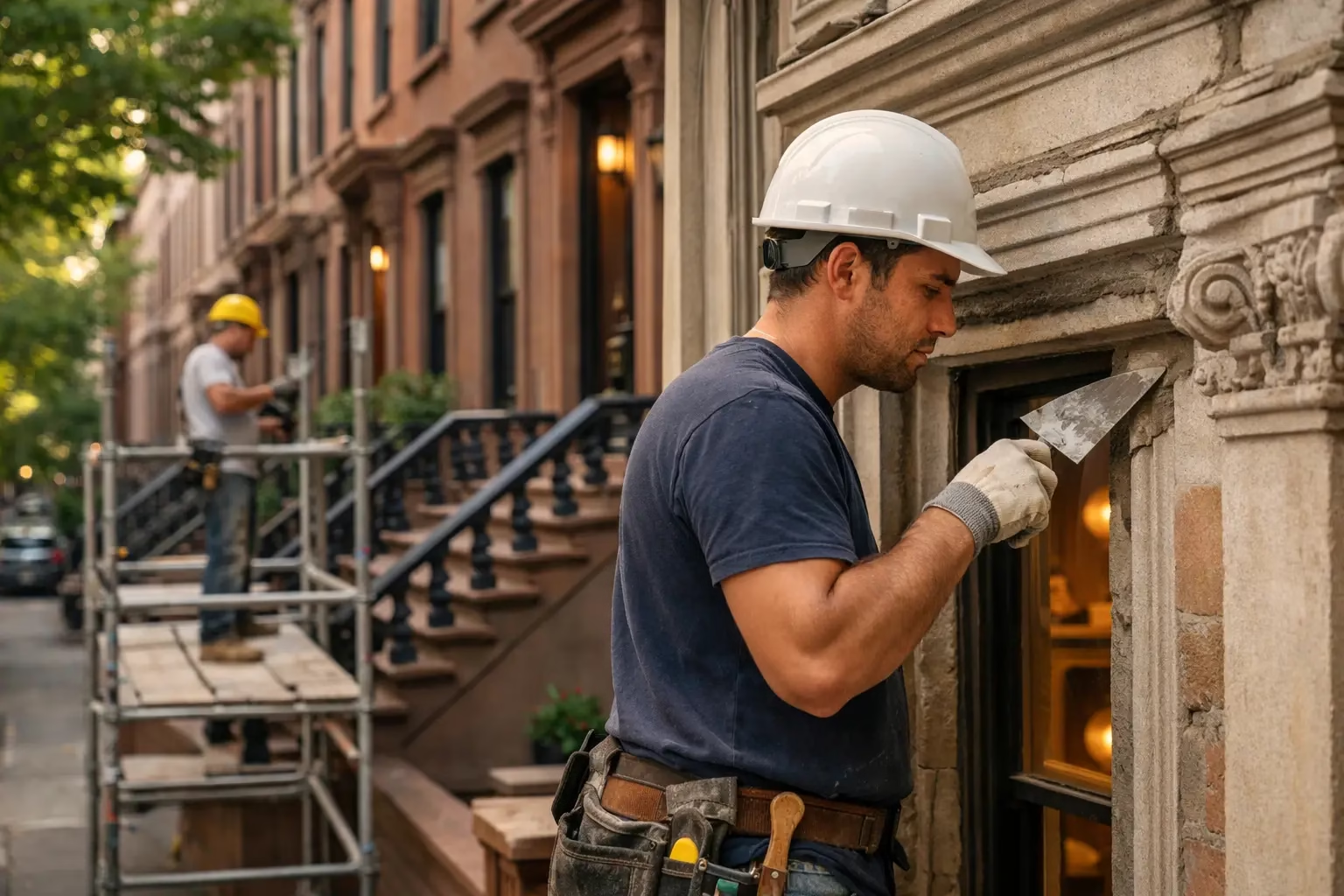
A crack below a parlor window, crumbling brownstone at the stoop, or a damp basement wall can look like one small repair. On a Brooklyn row house, it rarely is. Brooklyn brownstone repair contractors need to understand how the facade, roof drainage, masonry joints, cornice, flashing, and interior moisture issues can affect one another. Fixing the visible damage without finding the cause can leave an owner paying for the same repair twice.
For homeowners, landlords, and property managers, the right contractor is not simply the one who promises the fastest patch. The right team can identify what is failing, explain the repair in plain language, protect the building’s original character where required, and provide a detailed scope before work begins.
Why Brownstone Repairs Need a Different Approach
Brooklyn’s historic homes were built to last, but many are now well over a century old. Their exterior systems have endured freeze-thaw cycles, roof leaks, settlement, street vibration, improper past repairs, and decades of painted-over warning signs. A small area of spalling or loose pointing may point to trapped moisture behind the facade. A recurring ceiling stain may start at a failing roof detail rather than the ceiling itself.
Brownstone is also not a catch-all material. Many buildings called brownstones have brick structural walls with a brownstone or stucco finish on the front facade. The repair method must match the actual condition and material. Applying hard modern cement where a softer historic mortar is needed, for example, can damage surrounding masonry by forcing moisture through the face of the brick or stone.
That is why a proper site visit matters. A contractor should inspect the affected area along with the roofline, gutters, flashing, window sills, parapets, coping stones, and adjacent masonry. When access is limited, scaffold or other safe access may be needed to see the full condition instead of guessing from the sidewalk.
What Brooklyn Brownstone Repair Contractors Should Evaluate
A useful estimate begins with diagnosis, not a broad promise to “repair the facade.” Ask what the contractor found, what is causing it, and what work is included to prevent the issue from returning. The answer should be specific enough for you to understand the work without being a construction expert.
For facade work, the scope may include removing failed brownstone, preparing the substrate, applying a compatible restoration material in layers, shaping details, and matching the existing texture and color as closely as practical. It may also include repointing open joints, replacing damaged bricks, repairing window lintels, or restoring decorative elements around openings.
Water management deserves the same attention. A repaired facade will not hold up if roof drainage continues to spill water down the wall. The contractor may recommend gutter repair, roof flashing work, parapet repair, coping replacement, or waterproofing at exposed foundation walls. These are separate tasks, but they often belong in the same plan.
Inside the building, moisture can show up as peeling paint, blistering plaster, musty odors, bowed finishes, or basement efflorescence. Interior repair should wait until the exterior or plumbing source is identified. Painting over a moisture problem makes the room look better for a short time, but it does not make the building dry.
Ask for a Scope You Can Compare
Owners often receive estimates that are impossible to compare because one proposal says “masonry repair” while another describes quantities, materials, access, and finish work. The lower number is not always the better value if necessary work has been left out.
A clear proposal should state the repair locations, the expected method, the materials, and whether debris removal and site protection are included. It should also identify access requirements such as scaffold, sidewalk protection, permits, or staging. For occupied properties, ask how the crew will protect entrances, neighboring buildings, landscaping, interior rooms, and pedestrian access.
There are situations where a contractor cannot confirm the full extent of hidden damage until loose material is removed. That is normal on older properties. What matters is how the contractor handles it. The estimate should explain what is included, what conditions could require additional work, and how change orders will be documented and approved before costs move forward.
Do not be afraid to ask whether the repair is a targeted stabilization or a full restoration. A localized repair may be the sensible budget choice when deterioration is limited and the surrounding facade is sound. If large areas are failing, repeated spot patches can become more expensive than addressing the facade properly in phases.
Preservation, Permits, and Safe Job Sites
In historic Brooklyn neighborhoods, exterior changes may fall under landmark preservation requirements or local building rules. The approval process depends on the property, the district, and the scope of work. A contractor should be able to discuss whether permits, filings, landmark review, or engineered drawings may be needed before work starts.
No responsible contractor should promise that every exterior repair can begin immediately without first checking the requirements. This is especially true for facade alterations, stoop reconstruction, cornice restoration, sidewalk work, structural masonry repairs, and projects requiring sidewalk sheds or scaffolding.
Safety is also part of quality. Exterior masonry work can involve falling debris, work at height, and public sidewalk protection. Use a licensed and insured contractor that follows OSHA safety practices and has a realistic plan for access, containment, and cleanup. A crew that treats safety casually can create delays, damage, and liability that cost far more than the repair itself.
Red Flags That Cost Owners Money
The strongest warning sign is a contractor who diagnoses a major condition from one photo and gives a firm price without seeing the property. Photos are helpful for an initial conversation, but they cannot reveal loose areas, failed flashing, hidden rot, or the depth of mortar loss.
Be cautious when a proposal has no detailed scope, no proof of insurance, no schedule expectations, or no explanation of the materials being used. The same applies to a contractor who pushes a full replacement before explaining repair options, or who recommends a surface coating as the answer to every masonry issue.
Price should be competitive, but extremely low bids deserve questions. They may exclude access costs, permit work, proper preparation, debris disposal, protection, or finish matching. An affordable project is one with a defined scope and durable workmanship, not simply the smallest number on page one.
Coordinate Exterior Repairs With Interior Improvements
Brownstone owners frequently plan more than one project at a time: facade restoration outside, then a kitchen renovation, bathroom update, basement remodeling, or professional painting inside. Coordinating the order of work can protect the investment.
For example, correct an active roof or facade leak before installing new insulation, drywall, cabinetry, or paint. If a basement renovation is planned, address foundation moisture and drainage before finishing walls. If exterior scaffold is already required, it can be efficient to inspect the roof, cornice, parapets, brick pointing, and upper-story window details during the same project.
Working with one capable contractor can reduce handoffs between trades and make scheduling easier. Best Budget Construction handles brownstone restoration, masonry, roofing, waterproofing, interior repairs, and renovation work, giving Brooklyn property owners one accountable team from exterior diagnosis through final finishes.
How to Prepare for an Estimate Visit
Before the contractor arrives, write down when the problem first appeared and whether it changes after heavy rain, snow, or freezing weather. Gather any prior repair records, inspection reports, and photos showing how the condition has progressed. If tenants occupy the building, note access needs and any rooms where leaks or drafts have been reported.
During the visit, point out every area of concern, even if it seems unrelated. A stain at the top floor, a loose cornice section, and open mortar at the parapet may all be connected. Ask what the contractor would repair now, what can be monitored, and what maintenance will help extend the life of the completed work.
A dependable contractor will not pressure you to make a decision at the door. You should have a written estimate, a clear understanding of the work sequence, and a direct contact for questions. For Brooklyn brownstone repairs, that clarity is not extra paperwork. It is part of protecting a valuable building.
Before the next small crack turns into a larger exterior or water problem, schedule a thorough on-site assessment and request a clear estimate. Early, well-planned repairs usually give owners more options, better control of the budget, and a result that respects the building for years to come.
