

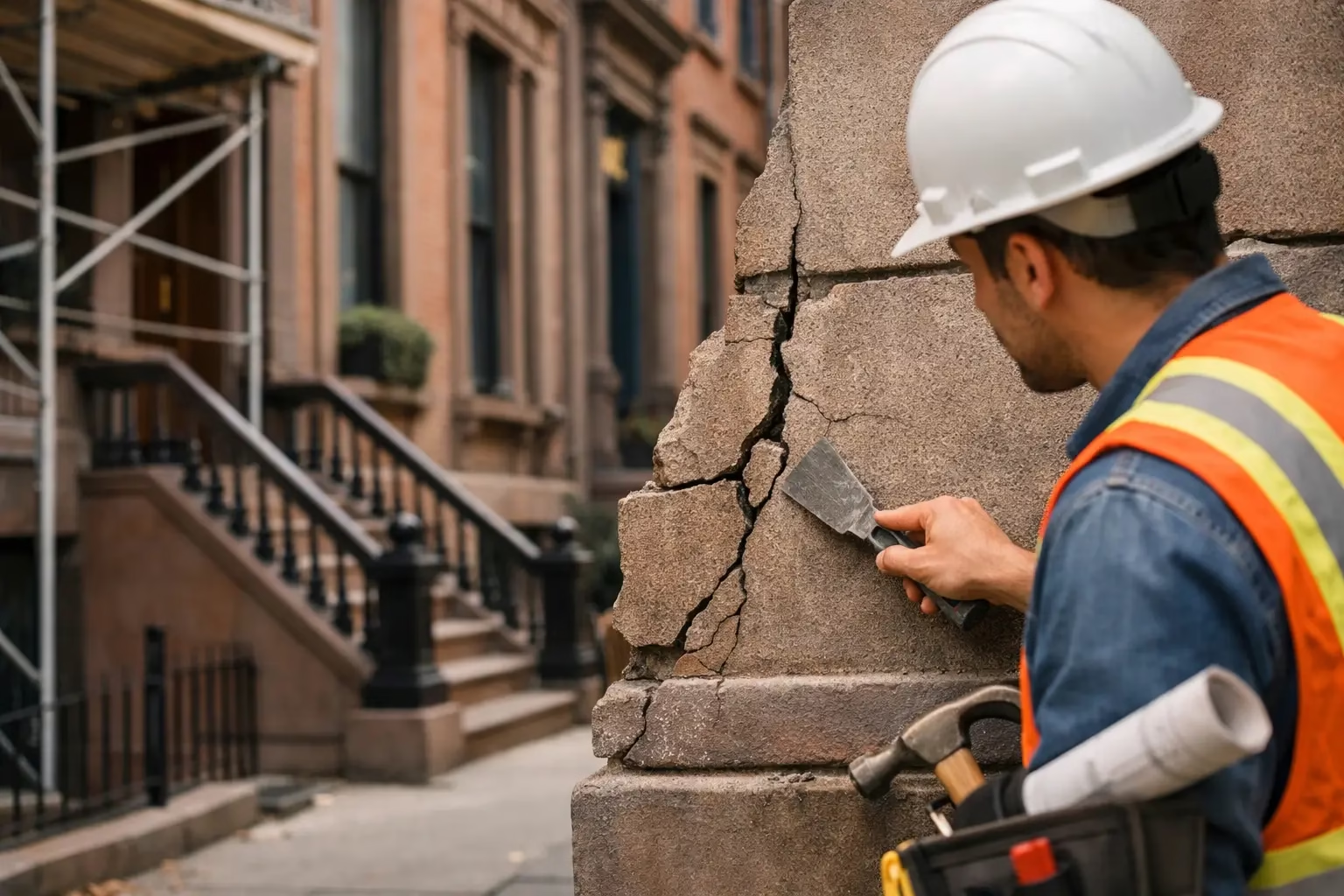
A thin crack near a brownstone window may look like a cosmetic issue, but it can be the first visible sign of water entry, loose material, or movement behind the facade. Property owners asking what causes brownstone facade cracks need to look beyond the surface. In New York City, aging masonry is exposed to decades of rain, freeze-thaw cycles, settlement, repairs, and street-level vibration.
Brownstone is a historic material, not a modern exterior cladding system. It needs regular inspection and the right repair methods to stay stable. The good news is that many cracks can be addressed before they become a larger facade restoration project. The key is identifying the cause before patching the symptom.
What Causes Brownstone Facade Cracks?
Most brownstone cracks come from a combination of moisture, movement, and deferred maintenance. One small opening can allow water to reach the material behind the finished surface. Once that happens, winter weather and repeated wet-dry cycles can turn a minor defect into spalling, crumbling, or sections that no longer bond securely to the wall.
The location, width, direction, and condition around a crack all matter. A hairline crack in an old skim coat does not carry the same urgency as a widening diagonal crack that runs through masonry joints. An experienced contractor should inspect the full facade, including the cornice, window lintels, parapet, flashing, roof drainage, and pointing, rather than treating the visible crack as an isolated problem.
Water penetration and freeze-thaw damage
Water is one of the most common reasons brownstone facades fail. Rain enters through open mortar joints, deteriorated caulk, damaged flashing, missing sealant, roof leaks, or cracks that were never repaired. Brownstone is porous, so it can absorb that moisture instead of shedding it completely.
When temperatures drop, trapped water freezes and expands. That expansion places pressure on the face of the stone and the mortar behind it. Over many winters, the surface can crack, flake, or separate in layers. This is why brownstone problems often become more noticeable after a hard NYC winter.
Poor drainage makes the situation worse. Overflowing gutters, leaking leaders, or roof runoff that spills down the face of the building repeatedly soak the same areas. Cracks below cornices, near rooflines, and around upper-story windows often point to a drainage or flashing issue that needs repair along with the masonry work.
Failing mortar joints and previous poor repairs
Mortar joints are designed to take weathering before the masonry units do. As mortar ages, it can become loose, sandy, recessed, or cracked. Water then finds a direct path into the wall assembly, putting added stress on the brownstone face.
Previous repairs can also create new problems when the wrong mortar is used. Hard, cement-heavy mortar may be stronger than historic brownstone, but that is not always an advantage. It can trap moisture or force movement into the softer surrounding material, leading to cracks and edge damage. Proper repointing requires a mortar mix and application method suited to the existing facade.
A patch that looks smooth on day one is not necessarily a lasting repair. If the underlying material is loose, wet, or improperly prepared, the patch may crack away from the wall within a few seasons. Durable work starts with removing failed material, correcting moisture sources, and rebuilding the damaged area in compatible layers.
Building settlement and structural movement
Brownstones move over time. Foundations settle, framing dries and shifts, adjacent buildings move differently, and decades of renovations can change how loads travel through an older structure. Some movement is normal. The concern is movement that is active, uneven, or strong enough to open masonry cracks.
Vertical cracks can occur along joints or areas where different parts of the facade meet. Stair-step or diagonal cracks around windows and doors may indicate differential settlement or movement around an opening. Cracks that continue to widen, reappear after repair, or are paired with sticking doors, sloping floors, or interior wall cracks deserve a more detailed evaluation.
Not every structural-looking crack means the building is in immediate danger. Still, it is not a place for guesswork. A qualified contractor can determine whether the repair is limited to facade restoration or whether a structural professional should review the condition before exterior work begins.
Rusting steel lintels and embedded metal
Many NYC brownstones have steel lintels above windows and doors. When those lintels are exposed to moisture, they rust. Rust expands as it forms, pressing outward on the masonry and brownstone around it.
The result is often a horizontal crack above a window, cracked corners, bulging masonry, or pieces of facade material breaking loose. Covering this damage with a surface patch does not stop the expansion. The rusted metal and water source must be addressed, then the surrounding masonry can be properly rebuilt and finished.
This issue is especially common where failed caulk, damaged sills, or missing drip edges allow water to sit above an opening. Early lintel repair is usually more affordable than waiting until the surrounding masonry needs major removal and replacement.
Cornice, parapet, and roof problems
Brownstone facades often rely on the roofline to keep water moving away from the wall. A cracked cornice, loose coping stone, damaged parapet, or deteriorated roof flashing can send water behind the facade from the top down.
Because the damage begins above eye level, owners may not notice it until cracks appear lower on the elevation. Staining, green growth, peeling paint, white powdery residue, and loose pieces near the cornice are all warning signs. Exterior repairs should include a close look at the roof and drainage details, not just the front wall.
Vibration, temperature changes, and urban wear
Brooklyn brownstones deal with conditions that suburban homes rarely face. Truck traffic, nearby construction, utility work, subway vibration in some areas, and daily street activity can aggravate existing weaknesses. Vibration alone does not usually create major facade failure in a sound building, but it can widen an already compromised crack.
Temperature changes also make materials expand and contract at different rates. Brownstone, brick, mortar, steel, wood framing, and patch materials do not all move the same way. When moisture damage or poor past repairs have reduced the wall’s ability to accommodate that movement, cracks become more likely.
Which Brownstone Cracks Need Fast Attention?
A small, stable hairline crack may only need monitoring and scheduled maintenance. A crack needs prompt professional attention when it is widening, deeper than the surface finish, running around windows or doors, accompanied by bulging, or shedding grit and fragments.
Do not ignore cracks that appear with water stains inside the home, damp plaster, mold odors, loose masonry, or rust marks. These clues suggest that the facade is no longer keeping water out. If pieces are loose above a sidewalk, entry, or neighboring property, the condition can become a safety issue as well as a repair issue.
Property managers should document changes with dated photos. Take one photo of the full area and another close-up with a ruler or coin for scale. This makes it easier to tell whether a crack is active and gives a contractor useful information before the inspection.
The Right Repair Depends on the Cause
There is no single brownstone crack repair that fits every building. Some conditions can be stabilized by careful crack repair, repointing, waterproofing, and repainting with breathable materials. Others require removing loose brownstone, repairing a lintel, rebuilding damaged areas with restoration mortar, or correcting cornice and roof drainage failures.
Waterproofing has an important role, but it should not be used to hide active deterioration. Applying a coating over wet, loose, or cracked material can trap moisture and accelerate failure underneath. The wall must first be sound, properly prepared, and able to manage moisture as intended.
For historic properties, appearance matters too. A good repair should match the facade’s texture, profile, color, and architectural details as closely as practical while solving the underlying problem. This is where experienced brownstone restoration work protects both the building and its curb appeal.
Get the Facade Inspected Before a Small Crack Grows
A brownstone facade is exposed every day, and minor maintenance is far less disruptive than emergency repairs. Best Budget Construction provides practical facade restoration, masonry repair, repointing, waterproofing, cornice restoration, and exterior repair services for Brooklyn property owners who need clear answers and dependable execution.
If you have noticed new cracking, loose material, water staining, or recurring patch failures, schedule an on-site assessment before the next heavy rain or freeze cycle. A clear scope of work and a transparent estimate can help you address the real cause, protect pedestrians and occupants, and keep your brownstone looking like it belongs on the block.
