

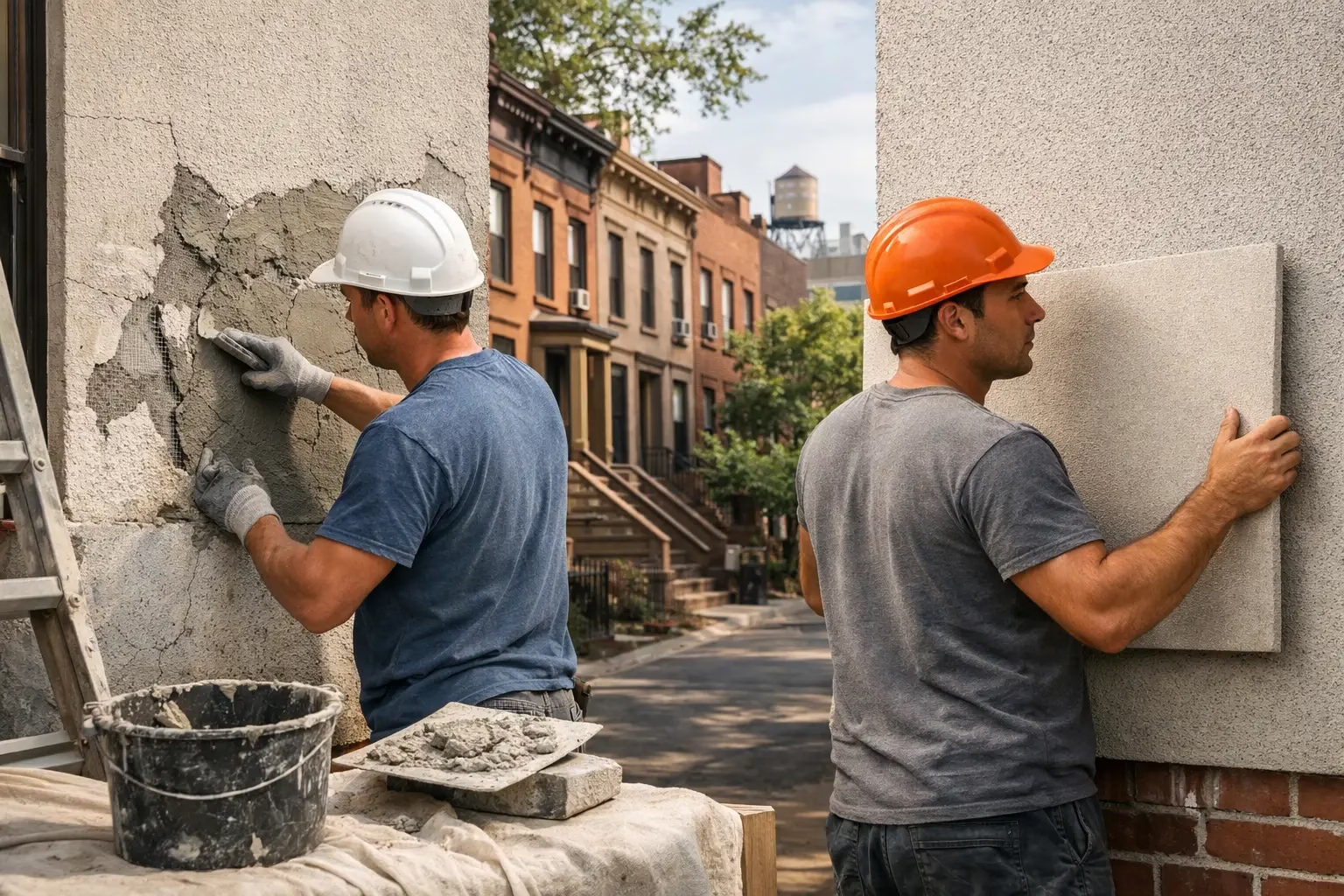
A small stucco crack on a Brooklyn brownstone can be a straightforward repair. The same crack, repeated across a facade or paired with damp interior walls, can signal a larger failure behind the finish. That is why stucco repair versus replacement is not simply a question of patching what is visible. Property owners need to know whether the existing wall system is still doing its job: shedding water, protecting masonry, and maintaining the building’s appearance.
For New York City homes, mixed-use buildings, and commercial properties, the right answer depends on the condition of the stucco, what is underneath it, and how far water damage has traveled. A qualified site inspection should come before a price quote or cosmetic fix.
When Stucco Repair Is the Better Choice
Repair makes sense when the stucco damage is limited, stable, and not caused by an ongoing moisture problem. Hairline cracking, a small area of impact damage, isolated chips, or surface staining can often be corrected without removing the entire stucco system.
The first step is identifying the cause. Stucco can crack from seasonal movement, building settlement, vibration, improper previous repairs, or water entering at a roof edge, window, parapet, flashing, or masonry joint. If the underlying issue remains, a new patch may look good initially but crack or stain again within a short time.
A proper repair usually involves removing loose material back to solid edges, preparing the base, addressing any damaged substrate, and applying compatible stucco in layers. The patch then needs texture and color blending. This last part matters on visible street-facing facades, where a poorly matched repair can stand out just as much as the original damage.
Localized stucco repair is generally the more affordable option because it limits demolition, material use, and labor. It also creates less disruption for occupied apartments, retail tenants, and businesses. For a property manager handling a single damaged elevation or a homeowner with a small problem near a window, repair can be the practical, cost-conscious decision.
Signs a Patch Is Not Enough
Surface damage is not always surface-level. Replacement becomes more reasonable when problems cover a large portion of the wall, keep returning after repair, or point to failure behind the stucco.
Watch for widespread cracking, especially long horizontal or diagonal cracks; soft, crumbling, or hollow-sounding areas; large sections pulling away from the wall; and persistent bubbling, staining, or efflorescence. Efflorescence is the white, powdery residue left behind as moisture moves through masonry. It does not automatically mean full replacement is needed, but it does mean the wall deserves investigation.
Interior clues matter too. Peeling paint, musty odors, damp drywall, rusting metal, or water marks near exterior walls can indicate that the facade is letting water in. On older NYC buildings, the stucco may cover brick, block, lath, or earlier layers of repair. Once moisture reaches those materials, the scope can grow beyond the visible finish.
Replacement is also worth considering when the existing stucco was installed improperly or has reached the end of its service life. Layers of mismatched patches may protect the wall temporarily, but they can leave an aging facade looking uneven and make future maintenance harder to manage.
Stucco Repair Versus Replacement: The Real Difference
The difference between repair and replacement is scope, not just price. Repair preserves sound existing stucco and corrects defined problem areas. Replacement removes failed stucco so the contractor can inspect and rebuild the wall assembly where needed.
With a full or partial replacement, damaged finish coats and base coats are removed. The underlying wall is evaluated for moisture damage, deteriorated masonry, failed flashing, corroded lath, or missing water-management details. Necessary masonry or substrate repairs are completed before new stucco is installed.
Replacement costs more upfront, but it may prevent repeated patching and larger water-related repairs later. This is particularly relevant on exposed facades in neighborhoods such as Park Slope, Brooklyn Heights, and Bed-Stuy, where older buildings face freeze-thaw cycles, wind-driven rain, roof runoff, and years of deferred maintenance.
That said, replacement is not automatically better because it is more extensive. Removing sound stucco only to install new material can add unnecessary cost. The goal is to recommend the least invasive solution that properly protects the building.
What Affects the Cost of the Work
No two stucco projects are priced the same. A small ground-level patch is very different from restoring a multi-story facade over a sidewalk, especially when access equipment, permits, pedestrian protection, or coordination with other building work is required.
The condition behind the stucco has the biggest effect on cost. If removal reveals damaged brickwork, failed pointing, water-damaged sheathing, rusted metal components, or compromised framing, those repairs need to happen before the new finish goes on. Skipping them may save money on the first invoice but can create a more expensive problem later.
Access and finish requirements also matter. Scaffolding, lifts, and sidewalk protection add labor and logistics. A smooth modern finish may be easier to blend than a detailed historic texture, while matching an existing color can require samples and careful testing. If cornices, parapets, window surrounds, or decorative masonry are involved, the work may need to be coordinated as part of a larger facade restoration plan.
A transparent estimate should explain what area is being repaired or replaced, what preparation is included, whether underlying damage is covered by the stated scope, and what conditions could require additional work. Clear communication protects both the property owner and the contractor.
Do Not Ignore the Water Source
Stucco is part of an exterior system. It cannot solve a leaking roof, failed coping, open mortar joints, cracked window caulking, or poorly directed drainage on its own.
Before repairing or replacing stucco, the contractor should inspect transitions where water commonly enters: roof-to-wall connections, parapets, chimneys, window heads and sills, utility penetrations, and areas where stucco meets masonry. On a brownstone or attached row house, water can also travel from an adjoining condition and appear far from its actual entry point.
This is where hiring a contractor with broader exterior experience has value. A project may require stucco work along with brick pointing, waterproofing, roof repair, flashing correction, or cornice restoration. Coordinating those items under one team helps prevent the common mistake of repairing the finish while leaving the source of damage untouched.
How to Make the Right Decision for Your Building
Start with a hands-on inspection rather than relying on photos alone. Photos can show cracks and staining, but they cannot reliably show whether stucco is loose, whether the wall is retaining moisture, or what condition the material underneath is in.
Ask the contractor to explain the cause of the damage, not just the proposed fix. You should understand whether the recommendation is an isolated patch, a larger partial replacement, or a full removal and rebuild. If replacement is suggested, ask which portions of the facade are failing and why preserving the existing stucco is not advisable.
For landlords and property managers, it also helps to consider timing. If exterior work is planned alongside roofing, window replacement, masonry repair, or painting, completing related tasks together can reduce repeated access costs and avoid damaging newly finished work. For homeowners, addressing a known moisture issue before it reaches interior plaster, insulation, or framing is usually the better budget decision.
Best Budget Construction provides licensed, insured exterior repair and restoration work for Brooklyn and NYC properties, with attention to safety, workmanship, and clear project scope. Whether your stucco needs a targeted repair or a more complete replacement, the useful next step is an on-site evaluation that looks beyond the crack and identifies what your facade needs to stay protected.
