

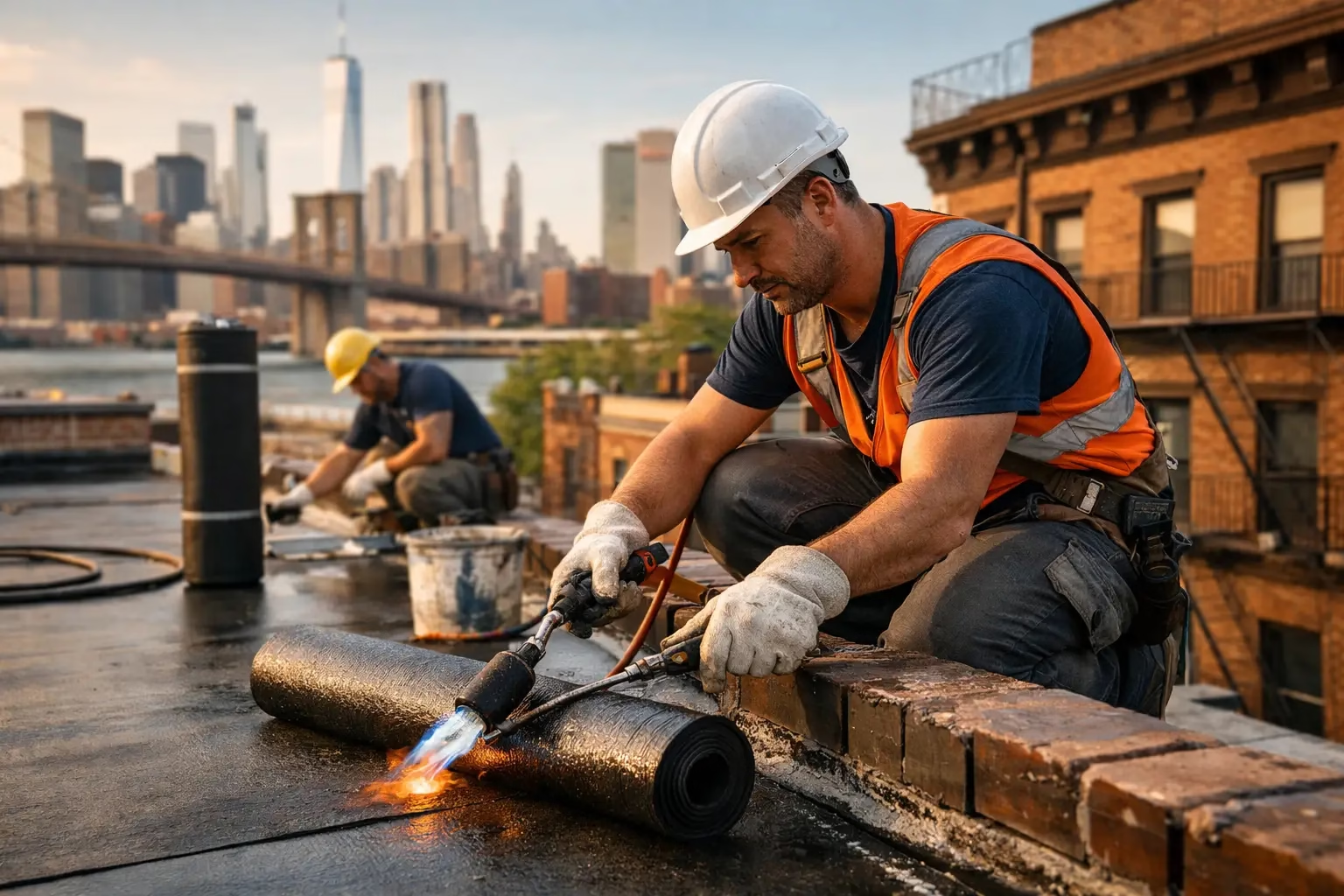
A wet basement after a hard Brooklyn rain is rarely just a basement problem. Water can travel through cracked foundation walls, failed masonry joints, roof transitions, window openings, and sidewalk-level drains before it becomes visible indoors. Experienced waterproofing contractors identify where the water starts, not just where the stain or puddle appears.
For NYC homeowners, landlords, and property managers, a correct diagnosis protects more than finished space. It can prevent mold, damaged plaster, rotted framing, deteriorating brickwork, tenant complaints, and costly repeat repairs. The right work should be based on the building’s condition, access, drainage, and the actual path of the water.
What Waterproofing Contractors Actually Do
Waterproofing is not one product applied to every leak. It is a repair strategy that controls water at vulnerable parts of a building. In a brownstone, row house, mixed-use property, or older commercial building, the source may be below grade, at the facade, around a roof detail, or at a connection between old and newer construction.
A qualified contractor starts with a site inspection. They should look for cracks, open mortar joints, spalling brick, failed caulk, loose flashing, clogged leaders, poor grading, damaged waterproof coatings, and signs of moisture on both sides of a wall. On dense urban properties, they also need to consider neighboring structures, shared walls, sidewalk conditions, and limited exterior access.
The scope may include exterior foundation waterproofing, foundation crack repair, drainage improvements, masonry repointing, cement work, stucco repair, exterior sealants, window-well work, roof flashing repairs, or interior basement moisture control. The right combination depends on the cause. A basement wall can be sealed from the inside, for example, but if outside water pressure and drainage are the real issue, an interior coating alone may only hide the problem temporarily.
Start With the Water Source, Not the Visible Damage
Many property owners call after seeing peeling paint, bubbling plaster, damp carpet, or a musty odor. Those are warning signs, but they do not tell you exactly where water entered. Moisture can migrate through masonry and concrete, then show up several feet away from the opening.
A practical inspection asks a few direct questions. Does the issue happen only during heavy rain? Is it worse when snow melts? Does it appear after a plumbing fixture is used? Does the wall stay damp all year, or does water enter at one specific point? The timing helps separate rain penetration, groundwater pressure, plumbing leaks, roof runoff, and condensation.
This matters in NYC’s aging building stock. Brick and brownstone facades often need more than surface sealant when mortar joints have failed or the wall has been taking on water for years. Likewise, a leak near a top-floor ceiling may be blamed on the roof when the actual cause is deteriorated coping, flashing, parapet masonry, or a poorly sealed penetration.
Exterior Waterproofing vs. Interior Solutions
Exterior waterproofing is generally the stronger long-term option when water is entering through below-grade foundation walls. The work may require excavation to expose the wall, repairing cracks and damaged areas, applying a waterproof membrane, protecting that membrane, and addressing drainage before the area is restored. It is more involved, especially where access is tight, but it stops water before it reaches the structure’s interior face.
Interior systems can be appropriate when exterior excavation is not practical, when access is blocked by a sidewalk or neighboring property, or when a basement needs a managed drainage solution. Depending on conditions, that can include crack injection, interior drainage channels, sump systems, vapor control, or cementitious coatings. These methods can be effective, but they should be explained honestly. They manage or redirect water differently than a full exterior waterproofing system.
There is no one-size-fits-all answer. A contractor who recommends the same method before inspecting the property is not giving you a real solution. The best scope is the one that matches the water source, the building’s construction, and the owner’s budget and long-term plans.
Masonry, Roofing, and Drainage Are Often Part of the Repair
Waterproofing work is often connected to other exterior maintenance. That is especially true for Brooklyn brownstones and older masonry buildings, where a small failure at the facade or roofline can lead to interior water damage.
Open mortar joints can absorb and hold water. Cracked stucco can allow moisture behind the finish. Deteriorated cornices and parapets can send water into the wall rather than away from it. A clogged roof drain or leader can overflow repeatedly at one point, saturating brick and creating leaks that seem mysterious from inside.
That is why it helps to work with a contractor who understands the whole exterior envelope. Repointing, masonry repair, facade restoration, roofing details, cement repair, and waterproofing should work together. Applying a coating over damaged masonry without correcting failed joints or drainage can trap the underlying problem instead of solving it.
What to Expect in a Clear Waterproofing Estimate
A useful estimate should explain the problem being addressed and the planned method of repair. It does not need to be filled with confusing language, but it should be specific enough that you know what work is included.
Look for the affected area, preparation requirements, repair materials, waterproofing products or membrane system, drainage work if needed, protection of surrounding finishes, cleanup, and any restoration work after access is opened. If excavation is involved, the estimate should also address access limitations and how the area will be restored.
Ask whether the contractor expects hidden conditions. Older properties can reveal damaged substrate, buried debris, cracked concrete, or more extensive masonry deterioration once work begins. A professional contractor will not pretend that every unknown can be priced perfectly before an area is opened. They should, however, explain how change conditions are handled and communicate before additional work proceeds.
Price matters, particularly for landlords and homeowners managing multiple repairs. But the lowest number is not always the most affordable result. A cheap patch that fails after the next season can mean paying twice, plus repairing interior finishes again. Compare the actual scope, materials, crew experience, insurance, and warranty terms before making a decision.
Questions to Ask Before Hiring Waterproofing Contractors
Before approving work, confirm that the contractor is licensed and insured for the project. On NYC properties, safety planning is not optional. Ask how the crew will protect occupants, neighboring areas, and the work site, particularly when the project involves excavation, scaffolding, roof access, or public-facing sidewalk areas.
You should also ask who will perform the work, how long the project is expected to take, and whether the contractor handles related repairs in-house. One company that can address masonry, roofing, drainage, and interior damage can reduce coordination problems and prevent gaps between trades.
For co-ops, multifamily buildings, and commercial spaces, it is also smart to discuss building access, tenant notices, working hours, debris removal, and insurance documentation before the start date. These details affect whether a sound repair is completed on time and with minimal disruption.
Protect the Building Before the Damage Spreads
Water rarely improves on its own. A minor leak can become a larger masonry repair, a mold issue, or a damaged basement renovation when it is left through multiple rain seasons. Early inspection gives you more options, and it may allow targeted repair before major demolition or restoration is needed.
Best Budget Construction provides practical waterproofing and exterior repair services for Brooklyn and NYC properties, with the hands-on experience to evaluate related masonry, roofing, and structural conditions. Our team is licensed, insured, OSHA compliant, and focused on clear scopes, fair estimates, and dependable execution.
If you see recurring dampness, staining, cracked masonry, or water entering after rain, schedule an inspection before covering it with paint or finishing a basement around it. The right repair starts with finding the source and giving the building a way to stay dry.
