

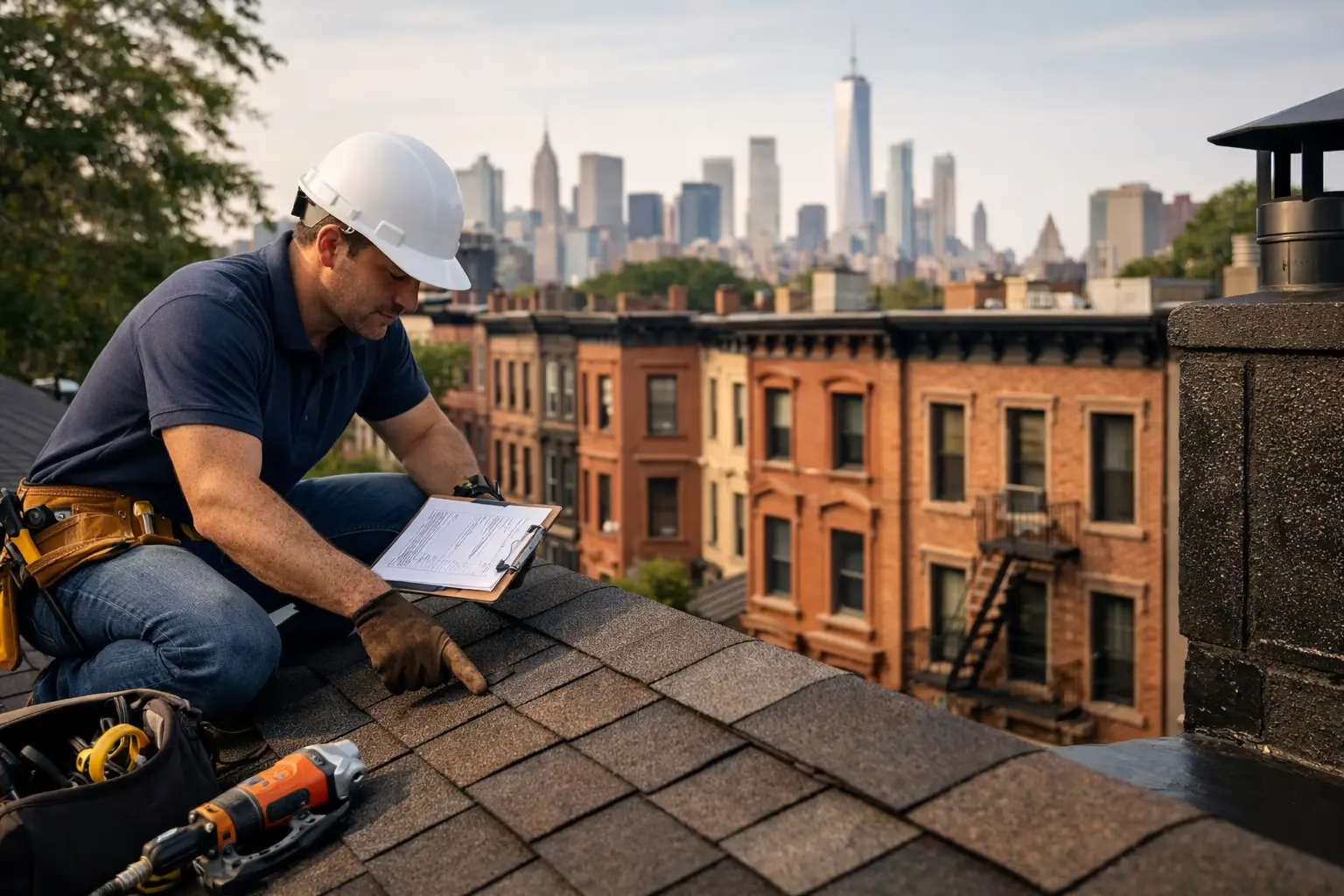
A roof problem in New York City rarely stays small. A loose flashing detail, clogged drain, failed membrane seam, or missing shingle can turn into ceiling damage, mold, damaged insulation, and tenant complaints after one hard storm. Roofing contractor reviews can help you avoid hiring the wrong company, but only if you know what the reviews are actually telling you.
A five-star average is not enough. Property owners should look for evidence that a contractor handles the type of roof, building condition, and job scope in front of them. That matters whether you own a brownstone in Park Slope, manage a multifamily property in Brooklyn, or need repairs on a small commercial building.
What Roofing Contractor Reviews Should Tell You
The most useful reviews describe a real problem and how the contractor handled it. Look past short comments such as “great job” or “highly recommend.” Those can be positive signs, but they do not show whether the company can diagnose leaks, protect the property, manage a crew safely, or stand behind the work.
A strong review often mentions the original issue, the work completed, communication during the project, and the final result. For roofing, useful details may include replacing damaged decking, repairing parapet walls, installing flashing, sealing penetrations, correcting drainage, or restoring areas around skylights and chimneys.
You are also looking for consistency. One happy customer is good. A long pattern of customers mentioning clear estimates, punctual crews, clean work areas, and responsive follow-up is much more valuable. Roofing is a technical service, and dependable execution matters as much as a finished roof that looks neat from the street.
Read Reviews for Jobs Like Yours
Not every roof is the same, especially in NYC. A contractor with excellent reviews for a simple suburban shingle replacement may not be the right fit for a flat roof with multiple penetrations, aging masonry, roof drains, and a shared party wall. Match the reviews to your building and your problem.
For a brownstone or older Brooklyn property, pay attention to comments about flat roofing, parapet repairs, masonry, cornices, coping stones, flashing, waterproofing, and facade conditions. Roof failures are often connected to surrounding exterior details. Water can enter at a damaged flashing connection or cracked masonry joint and appear inside as a roof leak.
For commercial properties, reviews should show that the contractor can work around occupants, coordinate access, protect equipment, maintain a safe site, and keep the job moving. For landlords and property managers, comments about reliable scheduling and tenant communication can be just as important as price.
A review that says a contractor “fixed my roof” is less helpful than one explaining that the crew found a failed drain connection, repaired the membrane, tested the area, and returned after rainfall to confirm the leak was resolved. Specifics are harder to fake and more useful when you are comparing estimates.
Check the Date, Not Just the Rating
Construction companies can change. Crews change, suppliers change, and a contractor’s workload can change. Reviews from several years ago still offer background, but recent reviews show how the company is operating now.
Look for activity over the last 6 to 18 months, especially for work similar to yours. If the newest reviews repeatedly mention slow callbacks, incomplete punch-list work, surprise charges, or missed appointments, do not ignore those concerns because the overall rating looks high.
At the same time, treat negative reviews fairly. Construction work can involve weather delays, hidden damage, permit questions, owner changes, and material lead times. One frustrated review does not automatically mean the contractor is unreliable. Read how the company responded. A professional response acknowledges the issue, explains the facts without arguing, and shows a willingness to resolve legitimate concerns.
Separate a Fair Price From a Low Number
Cost-conscious owners have every reason to compare proposals. But a very low estimate can hide missing work, lower-grade materials, inadequate preparation, or no allowance for damaged decking and flashing. Reviews can reveal whether a contractor’s pricing was transparent after the job started.
Look for comments that mention written estimates, itemized scopes, change-order communication, and no unexpected charges. A good roofing proposal should make it clear what is included: demolition or removal, material type, flashing work, drain or gutter details, protection of the property, cleanup, and disposal.
It depends on the roof condition, but the contractor should also explain what may be discovered after existing materials are opened. Rotten wood, damaged substrate, concealed moisture, and failing edge details are not always visible during an initial inspection. That does not justify vague pricing. It means the estimate should state how unforeseen repairs will be documented and approved.
Verify What Reviews Cannot Prove
Even detailed roofing contractor reviews should not replace basic due diligence. Reviews reflect customer experience. They do not confirm insurance, license status, safety procedures, material specifications, or the exact terms of your warranty.
Before signing a contract, ask the contractor to provide current proof of licensing and insurance, a written scope of work, material details, payment terms, projected schedule, and warranty information. On a roof project, ask who will perform the work and who will be responsible for supervision.
In NYC, access, safety, and building conditions can affect both price and schedule. A roof with difficult access may require extra protection, staging, lifts, or coordination with neighboring properties. Buildings in historic areas may have exterior restoration needs that reach beyond the roofing membrane itself. An experienced contractor should identify these conditions before work begins, not after the crew has already started.
Questions to Ask After Reading Reviews
Once you narrow your options, use the reviews to guide a more productive estimate conversation. If customers praised communication, ask who your point of contact will be and how often you will receive updates. If they mentioned fast leak repairs, ask how the contractor determines the source of a leak before recommending a larger replacement.
You should also ask whether the contractor has completed comparable roofs, how they protect interior spaces and landscaping during work, and how they handle rain exposure if a roof is opened. For occupied buildings, ask how residents or tenants will be notified about noise, access restrictions, and work hours.
The right contractor should answer directly. Be cautious if the conversation stays focused only on a discounted price or a promise to start immediately. A dependable roofing company inspects the roof, explains the recommended work in plain language, and provides a realistic schedule.
Red Flags Hidden in Roofing Reviews
Some warning signs only become clear when you read several reviews together. Repeated reports of unanswered calls, deposits paid with no start date, incomplete cleanup, recurring leaks, or pressure to pay before the work is finished deserve attention. So do reviews that sound nearly identical, appear in a short burst, or provide no project details at all.
Watch for a contractor who blames every bad review on the customer. Roofing problems can be complicated, but accountability is part of professional service. A contractor should be prepared to inspect a concern, explain the findings, and address work that does not meet the agreed scope.
Do not assume a lack of reviews means a company is unqualified. Some established contractors receive most of their work through referrals, property managers, and repeat customers. In that case, your written estimate, proof of qualifications, prior project examples, and direct conversation become even more important.
Make the Final Decision With the Scope in Front of You
The best roofing decision is not based on reviews alone or price alone. It comes from comparing a contractor’s reputation with a clear written scope, appropriate insurance, relevant local experience, and a practical plan for your building.
Best Budget Construction approaches roofing and exterior repair with the same standard used for renovation and restoration work: inspect carefully, explain the condition honestly, provide a straightforward estimate, and complete the job with proper safety and cleanup. For roofs connected to masonry, parapet, waterproofing, or facade issues, one coordinated contractor can prevent gaps between trades.
Before your next roof repair or replacement, take the time to read the details behind the rating, then request an estimate that answers the same questions. A good contractor will not rush that process. They will give you enough information to protect the building, the budget, and the people inside it.
