

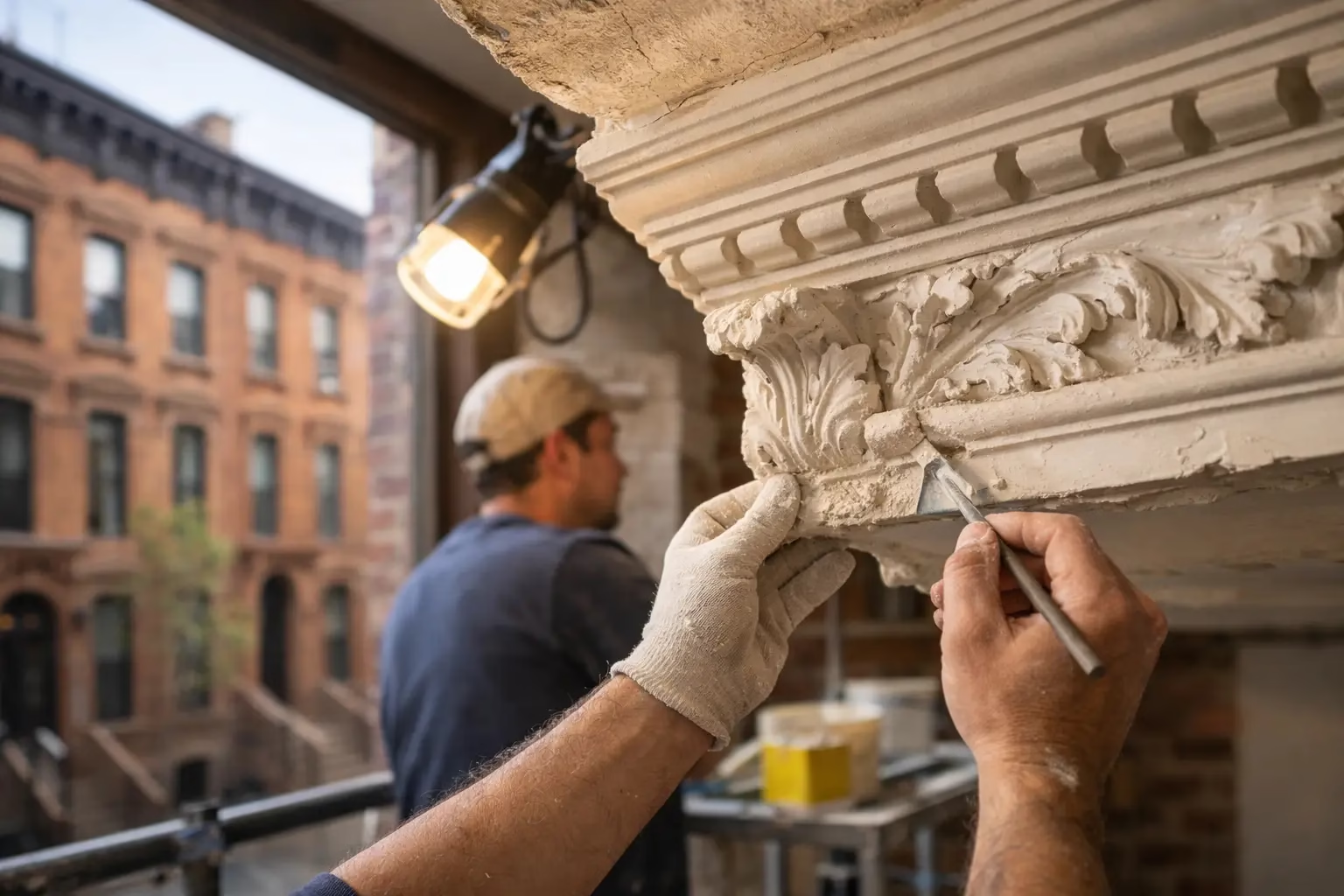
A failing cornice is not just an exterior appearance issue. On a Brooklyn brownstone or older NYC commercial building, cracked metal, loose masonry, and open seams can allow water into the facade, damage brickwork, and create a serious falling-debris hazard. Knowing how to restore historic cornices starts with an honest assessment of what is decorative damage and what is a structural or waterproofing problem.
Historic cornice restoration is specialized exterior work. The goal is not to make an old building look newly manufactured. It is to stabilize the assembly, retain original detail wherever possible, replace what cannot be saved, and leave the roofline protected from New York weather.
Start With a Close, Safe Inspection
A ground-level visual review can reveal plenty: rust streaks below a sheet-metal cornice, missing brackets, peeling paint, separating seams, cracks at a stone cap, or staining on the brick below. It cannot confirm whether the cornice is securely attached to the structure. Never climb a ladder or walk a roof edge to investigate a potentially unstable historic cornice.
A qualified contractor should inspect the cornice from safe access, such as properly installed scaffolding or a lift when conditions allow. The inspection should cover the full system, not just the most visible damaged section. That includes the cornice face, crown, returns, brackets, roof flashing, parapet, masonry backup, fasteners, gutters, and drainage paths.
Four conditions usually point to a repair that should not wait:
- Loose, bulging, or visibly separated cornice sections
- Heavy rust, holes, open seams, or failed sheet-metal joints
- Cracked masonry, missing terra cotta, or deteriorated mortar near the roofline
- Water stains, interior leaks, or recurring paint failure below the cornice
The cause matters as much as the symptom. For example, repainting a rusty cornice without correcting failed flashing only hides the water path for a short time. The rust returns, the paint peels, and the repair cost grows.
Determine What the Cornice Is Made Of
Many NYC row houses have galvanized sheet-metal cornices built over a wood or masonry framework. Others use cast iron, copper, limestone, brownstone, terra cotta, or combinations of these materials. A proper restoration method depends on the original material and on how much of it remains sound.
Sheet-metal cornices can often be repaired by removing damaged panels, fabricating matching profiles, soldering or mechanically fastening seams as appropriate, and reinstalling the work with proper flashing. This is often more cost-effective than full replacement when the underlying framing is still stable.
Masonry and terra cotta cornices need a different approach. Cracked units may be repaired with compatible restoration materials when the damage is limited, while severely fractured or missing pieces may need to be replicated. Mortar must be selected carefully. A mortar that is too hard can trap moisture or damage softer historic brick and stone around it.
Wooden cornices require special attention because rot may extend farther than the exposed paint failure suggests. Sound historic wood should be retained when possible. Sections affected by deep rot, insect damage, or failed anchoring may need replacement with carefully matched profiles and weather-resistant materials.
How to Restore Historic Cornices Without Losing Detail
The best restoration begins with documentation. Before removal, the contractor should photograph the cornice from multiple angles, measure profiles, record bracket spacing, and identify repeating decorative elements. On a detailed Brooklyn Heights or Park Slope facade, these measurements are what keep a repaired section from looking flat, undersized, or out of place.
The work generally follows a controlled sequence. First, unstable elements are secured or removed from the hazard area. Next, the contractor opens only the sections necessary to inspect framing, masonry, and flashing behind the decorative face. Damaged substrate is repaired before new exterior pieces are installed. Then replacement metal, masonry, or wood components are fabricated to match the existing profile.
For sheet metal, craftsmanship is visible in the details. Clean folds, properly formed edges, tight seams, correctly pitched horizontal surfaces, and well-integrated flashing all affect performance. A patch that is simply screwed over rusted metal may look acceptable from the sidewalk, but it can trap moisture behind the patch and fail quickly.
Once repairs are complete, the cornice needs a coating system compatible with its material. Metal requires thorough surface preparation, rust treatment where needed, primer, and quality exterior finish coats. Masonry may need breathable coatings or no coating at all, depending on the condition and historic material. The wrong paint can seal in moisture and create another cycle of deterioration.
Repair or Replace: Make the Cost Decision Carefully
Property owners often ask whether a historic cornice can be repaired or must be replaced. The answer depends on the percentage of sound material, the condition of hidden framing, the availability of matching profiles, and the safety risk.
Targeted repair makes sense when original material remains stable and damage is confined to specific panels, seams, brackets, or masonry units. It preserves more historic fabric and may lower upfront cost. Full replacement can be the better long-term value when corrosion is widespread, wood backing has failed, attachments are compromised, or prior patchwork has left the assembly unreliable.
Replacement does not have to mean losing the building’s character. A contractor can use existing sections, photographs, and field measurements to reproduce the visible profile. The trade-off is that custom fabrication and scaffold access add cost, especially on tall facades or congested streets. A transparent estimate should separate access, demolition, substrate repair, fabrication, installation, coatings, and any required roof or masonry work.
Address Flashing, Roofing, and Masonry at the Same Time
A cornice sits at the meeting point of the roof and facade, so isolated repairs can be false economy. If water is entering through failed roof flashing, a patched cornice will continue to deteriorate. If coping stones or parapet brick are loose, they can damage the restored cornice below.
This is where a full-service exterior contractor provides a practical advantage. Roofing, brick pointing, masonry repair, waterproofing, and cornice work can be planned as one coordinated project instead of leaving gaps between separate trades. The work sequence should protect newly restored surfaces from damage caused by later roof or facade repairs.
Drainage also deserves attention. Clogged gutters, missing leaders, and poor roof slope direct water onto historic details that were never designed to stay wet. Correcting drainage is often one of the most affordable ways to extend the life of a restoration.
Plan for NYC Safety and Approval Requirements
Cornice work above sidewalks, driveways, and neighboring properties requires careful site protection. Depending on the scope, the job may involve scaffolding, shed protection, permits, street access coordination, or professional engineering review. Buildings in designated historic districts can also require approval before exterior details are changed.
Do not treat these steps as paperwork that can be skipped to save money. Improper access or unprotected work near a public sidewalk can expose owners to injuries, violations, and costly delays. Licensed and insured contractors should follow OSHA safety practices and explain what access, protection, and approvals are anticipated before the project starts.
For landmarked properties, retain as much original material as safely possible and avoid changing the cornice profile without confirming requirements. A close visual match may not be enough if dimensions, materials, or decorative details are altered without approval.
Protect the Investment With Regular Maintenance
A restored cornice needs periodic review, particularly after severe storms and freeze-thaw seasons. Check for peeling paint, failed caulk, rust blooms, open joints, missing mortar, and water stains on the facade. Small defects are easier and less expensive to correct before water reaches the backing structure.
Most owners benefit from including cornice inspection in routine roof and facade maintenance. This is especially true for rental buildings, attached row houses, and properties with mature trees that clog roof drains. Keep records and photographs of repairs so future maintenance decisions are based on the building’s actual history.
Historic cornices are one of the details that give NYC buildings their value and street presence. When the work is planned around safety, sound materials, and proper water management, restoration protects more than the roofline. For property owners who need a practical scope and a clear estimate, Best Budget Construction can assess the full exterior condition and recommend repairs that fit the building and the budget.
